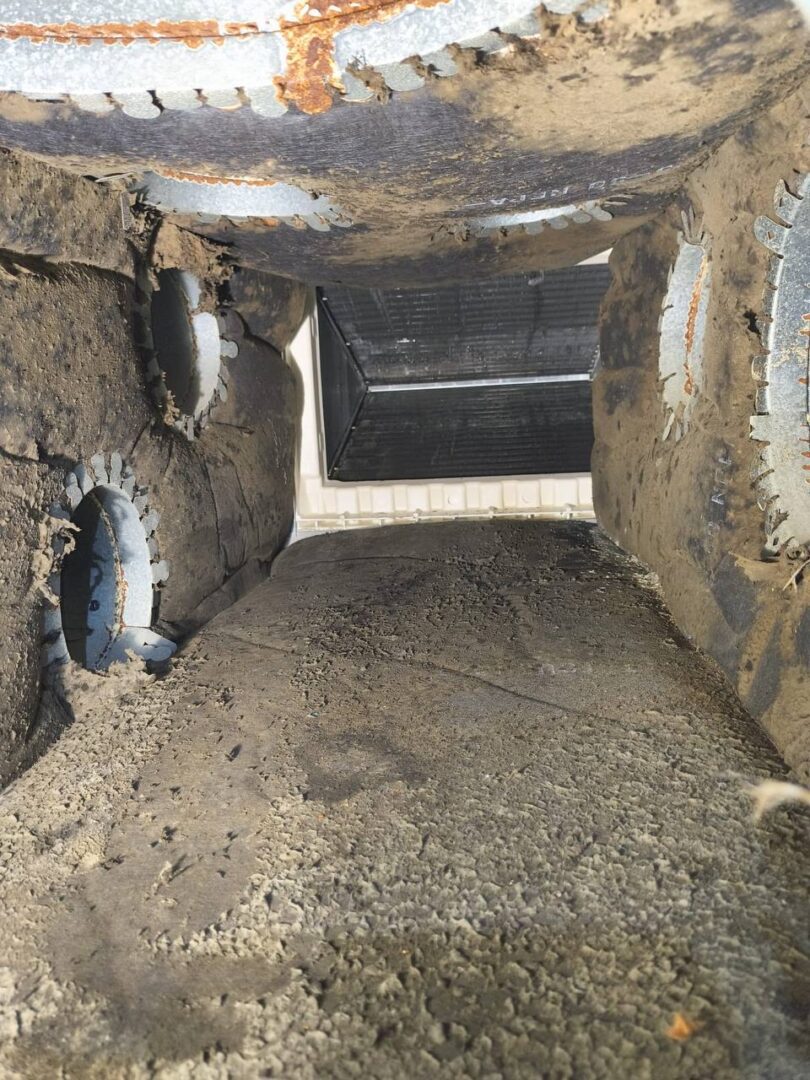
Industrial facility air quality is not optional—it’s a federal compliance mandate. Under OSHA’s General Duty Clause, employers must provide workers with a safe workplace free from recognized hazards that cause or are likely to cause serious injury. When air quality fails, so does compliance. And failures cost thousands in citations, worker compensation claims, and operational shutdowns.
This guide breaks down the industrial facility air quality OSHA requirements, why your HVAC system is the backbone of compliance, and how professional duct cleaning keeps your facility inspection-ready.
OSHA Standards for Industrial Air Quality
OSHA doesn’t have a single “air quality standard.” Instead, compliance flows from multiple regulatory sources:
The General Duty Clause (Section 5(a)(1) of the OSH Act)
This is OSHA’s broadest enforcement tool. It requires employers to furnish employment and a place of employment free from recognized hazards that cause or are likely to cause death or serious physical harm to employees.
29 CFR Part 1910 Subpart Z – Air Contaminants
This regulation sets Permissible Exposure Limits (PELs) for specific airborne contaminants in industrial settings. Common industrial hazards include welding fumes, dust, vapors, and particulates. Your facility’s air monitoring data must demonstrate that worker exposure stays below PEL thresholds.
ASHRAE Standard 62 – Ventilation for Acceptable Indoor Air Quality
While ASHRAE 62 is technically a design standard, OSHA frequently cites it as the industry best practice for ventilation. Section 8 specifically addresses Operations and Maintenance—including duct cleaning, filter replacement frequency, and system inspections.
Record Retention Requirements
OSHA expects documented proof of compliance: air monitoring results, HVAC maintenance logs, filter change dates, system balance checks, and employee training records. One inspection will expose gaps in your documentation.
The HVAC System as Your Compliance Backbone
An industrial facility’s HVAC system directly controls air quality. Dirty, contaminated, or poorly maintained ducts undermine compliance in three ways:
1. Airborne Contaminant Concentration
A clogged or debris-filled duct system recirculates the same contaminated air, raising airborne contaminant concentrations above acceptable PEL limits. Particulates, dust, and biological hazards accumulate in ductwork and coils, spreading throughout the facility.
2. Inadequate Ventilation Efficiency
When ductwork is blocked by buildup, system balance is thrown off. Some areas over-ventilate while others under-ventilate. Workers in under-ventilated zones experience higher exposure to hazardous air, creating localized compliance violations.
3. Microbial and Biological Growth
Industrial environments—food processing, pharmaceutical manufacturing, water-intensive facilities—create humid conditions where mold, bacteria, and other biologicals thrive in ductwork. OSHA citations for biological air quality failures are increasing.
Professional duct cleaning removes the contamination source, restores system balance, and brings your facility back into compliance.
What OSHA Compliance Requires in Practice
Air Quality Monitoring
You must establish a baseline. Test for specific contaminants relevant to your industry. Common industrial contaminants include:
- Welding fumes and metal oxides (manufacturing)
- Grain dust and organic particulates (food processing)
- Solvent vapors (automotive, chemical manufacturing)
- Silica dust (grinding, cutting, abrasive blasting)
Document all results and compare them against OSHA PELs. Any reading above the PEL triggers corrective action within a defined timeline.
HVAC Maintenance and Documentation
OSHA requires maintenance logs showing:
- Filter changes (and the MERV rating used)
- System balance verification
- Duct inspections for contamination or damage
- Coil cleaning and bacterial prevention measures
- Fresh air intake damper operation
- Repair and cleanup of water leaks
Most industrial facilities fail OSHA inspections not because their HVAC systems don’t function, but because they can’t prove maintenance compliance. A single duct cleaning service by a contractor, documented and logged, becomes evidence of good faith compliance efforts.
Ventilation Effectiveness
Your fresh air intake must be located away from pollution sources: loading docks, exhaust vents, pesticide sprayers, parking garages, and incinerators. Your ductwork must deliver adequate CFM (cubic feet per minute) to all work areas.
A professional air duct cleaning contractor will evaluate your intake placement, assess duct configuration for balance, and identify dead zones where air quality suffers.
Why Partial Duct Cleaning Fails OSHA Compliance
Many contractors offer “duct cleaning specials” that clean only the main ductwork. This is insufficient for industrial compliance because:
- Coil contamination remains – Evaporator coils grow mold and bacteria, spreading biological hazards back into the airstream
- Ductwork branches are untouched – Secondary ducts feeding individual work stations stay clogged, perpetuating localized air quality failures
- Blower contamination spreads – If the blower wheel is dirty, it agitates accumulated dust continuously
- Registers and diffusers stay blocked – Final-stage contamination reduces effective ventilation delivery to worker zones
A full-system HVAC cleaning—including unit, coils, blower, entire ductwork, and all registers—is what brings your facility into compliance. Half-measures leave OSHA exposure.
Industrial Facility Air Quality Best Practices
Schedule Professional HVAC Cleaning Every 1-2 Years
Industrial environments with higher dust, humidity, or process emissions should clean annually. Food processing, chemical manufacturing, and water-intensive facilities are especially critical.
Upgrade to High-Efficiency Filters
Move to MERV 13 or higher filters. Higher efficiency captures smaller particulates, reducing the load on ductwork and coils.
Implement Monthly Air Monitoring
Don’t wait for OSHA to test your air. Proactive internal monitoring shows compliance intent and allows corrective action before violations occur.
Train Your Team
Ensure maintenance staff understands HVAC system operation, filter replacement procedures, and the importance of documented maintenance. OSHA expects training records.
Create a Preventive Maintenance Schedule
Document a written schedule covering filter changes, system inspections, coil cleaning, and professional duct cleaning. OSHA inspectors will request this.
Take Action Now
Industrial facility air quality compliance is not complex—but it requires discipline. Start by scheduling a professional HVAC inspection. A certified contractor will assess your ductwork, identify contamination, and develop a cleaning and maintenance plan tailored to your industry.
Ready to ensure your facility meets OSHA standards? AH-CHOO! Indoor Air Quality specializes in industrial HVAC system cleaning and compliance audits. We’ll clean your full HVAC system—unit, coils, blower, ductwork, and registers—and provide documentation for your OSHA file. We are certified for mold remediation and maintain NADCA certification across all our industrial cleaning services.
Schedule your free inspection and air quality check today. We’ll identify compliance gaps and get your facility ready for inspection.
Click here for a free inspection and OSHA compliance consultation
Related Service Areas
- Commercial Duct Cleaning in Houston
- Commercial Mold Remediation in Texas
- Government Building Air Quality Standards
Related AH-CHOO resources: commercial air duct cleaning; schedule a free inspection.