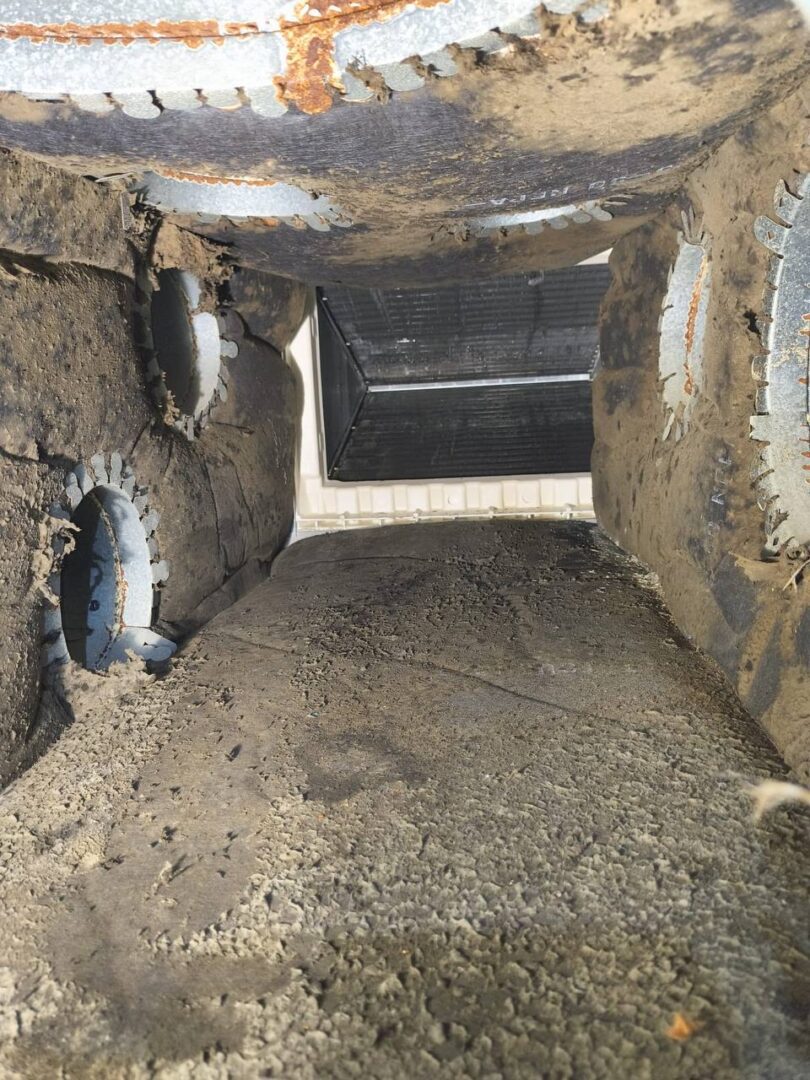
If you live in Houston, you already know the feeling: step outside in June, and the humidity wraps around you like a wet blanket. That same moisture doesn’t just make your clothes sticky—it infiltrates your home’s air duct system, creating the perfect breeding ground for mold. Mold in air ducts isn’t just an aesthetic problem; it circulates allergens and contaminants through every room in your house with every cycle of your HVAC system.
The good news? Mold growth in your ducts is largely preventable with the right approach. This guide walks you through practical, actionable strategies to keep your Houston air ducts mold-free, protect your family’s health, and extend the life of your HVAC system.
Why Houston’s Humidity Makes Mold in Air Ducts So Common
Houston experiences an average annual humidity level of 70–80%, with summer months regularly hitting 90%+. When your air conditioning system cools indoor air, it removes moisture—but if your ducts aren’t properly maintained, that moisture accumulates inside them, creating an ideal environment for mold spores to colonize and spread.
Mold doesn’t just appear overnight. It starts with condensation on cool duct surfaces, especially in sections of ductwork that pass through hot attics or unconditioned crawl spaces. Within weeks, that moisture combined with dust, pet dander, and organic debris creates a buffet for mold spores. Once established, mold releases airborne spores that circulate through your home every time your HVAC system runs—affecting indoor air quality and potentially triggering respiratory issues, allergies, and asthma.
The problem compounds in older Houston homes, where duct sealing and insulation may be inadequate, or in homes where HVAC maintenance has been neglected. This is why prevention isn’t optional—it’s essential for homeowners in our climate.
Prevention Strategy #1: Control Interior Humidity Levels Aggressively
The single most effective way to prevent mold in your ducts is to keep interior humidity below 50–55%. Here’s how:
- Run your AC during Houston’s humid season (April through October) even if you don’t strictly need it for temperature comfort. Your air conditioner is a dehumidifier first, a cooling system second. During these months, maintaining a consistent interior humidity level is more important than saving a few dollars on energy costs.
- Use a whole-house dehumidifier if your central AC struggles to keep up. Portable dehumidifiers work for individual rooms, but a whole-house unit integrates with your HVAC system and is far more effective at managing moisture across your entire home.
- Monitor humidity with a digital hygrometer. Place one in your main living area and one in your attic or crawl space if you have access. If interior humidity regularly exceeds 60%, your HVAC system is working overtime, and mold risk climbs.
- Ensure your exhaust fans work properly. Bathrooms and kitchens generate moisture. Your exhaust fans should vent moist air directly outside—not into your attic. Many Houston homes have improper venting that sends humidity straight into the spaces surrounding your ductwork.
- Seal air leaks around windows and doors. While you want your home to “breathe,” uncontrolled air infiltration brings in humid outdoor air. Proper weatherstripping and caulking help your AC maintain the interior humidity level you’ve worked to achieve.
Prevention Strategy #2: Ensure Proper Duct Insulation and Sealing
Ductwork condensation happens when warm, humid Houston air encounters cold duct surfaces. Proper insulation is your barrier:
- Check duct insulation in your attic. If your ducts are bare (no insulation), they’re prime mold territory. Ductwork should be wrapped in at least R-6 insulation, with R-8 preferred in hot climates like Houston’s.
- Seal all duct seams and connections. Leaky ducts allow humid air to infiltrate, and gaps allow moisture to condense inside your system. Professional duct sealing (aeroseal or mastic sealing) is a one-time investment that pays dividends. Small leaks are easy to miss; professionals have the tools to find and seal them all.
- Insulate ductwork in crawl spaces and unconditioned attics especially. These are temperature extremes where condensation is most likely. Don’t skimp on insulation in these zones.
- Consider wrapping vulnerable duct sections with vapor barriers. In particularly humid areas of your home’s ductwork, additional moisture barriers prevent condensation and mold growth.
Prevention Strategy #3: Maintain Your HVAC System Regularly
A well-maintained HVAC system is your strongest mold defense:
- Replace air filters every 1–3 months. In Houston’s dusty environment with high pollen counts, filters clog quickly. Clogged filters restrict airflow, causing condensation to build up in ducts. Fresh filters every month is reasonable for Houston homes during allergy season.
- Have your system professionally inspected twice yearly—spring and fall. An HVAC technician can spot early signs of mold, check insulation integrity, verify duct sealing, and ensure your condensate drain (which removes moisture from your AC unit) is clear and functioning.
- Clear your condensate drain line. This line removes moisture from your air conditioning unit. If it clogs with algae or mold, water backs up into your system, creating moisture that spreads into ducts. Flushing this line quarterly prevents blockages.
- Clean or replace evaporator coils as needed. Dirty coils reduce cooling efficiency and can harbor mold. If your technician spots buildup, a coil cleaning is worth the investment.
Prevention Strategy #4: Schedule Professional Air Duct Cleaning Every 3–5 Years
Even with perfect maintenance, dust and debris accumulate in ducts over time. Professional cleaning removes this buildup before mold can colonize it:
- Choose a NADCA-certified duct cleaning company. Not all “air duct cleaning” is created equal. NADCA (National Air Duct Cleaners Association) certification ensures the company follows industry standards and uses proper equipment. AH-CHOO! is NADCA certified with 38 years of experience—we spend a full 7 hours on every job because Houston’s humidity challenges demand a thorough approach, not a 90-minute rush.
- Understand what professional cleaning includes. AH-CHOO! cleans 8 components: return air ducts, coils, blower fan, heating chamber, plenum box, ducts themselves, register boxes, and grills. This comprehensive approach removes dust, pet dander, and organic debris before mold can establish.
- Plan cleaning for spring or fall. Schedule before allergy season (spring) or before heavy summer AC use begins. This ensures your ducts are clean when your HVAC system works hardest.
- Don’t assume you need chemical treatment. Most mold prevention doesn’t require biocides. Clean ducts + humidity control + proper ventilation = no mold. If mold is already present, professional mold remediation is needed—contact a specialist.
Prevention Strategy #5: Address Attic and Crawl Space Moisture
Your ductwork doesn’t exist in a vacuum—it’s exposed to the environment of your attic and crawl spaces:
- Ensure your attic is properly ventilated. Attic ventilation prevents heat and moisture buildup. Soffit vents at the eaves and ridge vents at the roof peak create airflow that reduces temperature extremes and moisture accumulation.
- Check for roof leaks. Water infiltration into your attic creates localized humidity spikes. Any signs of water staining, wood rot, or mold on joists? Get your roof inspected immediately.
- Insulate your attic properly. R-30 to R-60 insulation (depending on your climate zone) reduces temperature extremes that cause condensation.
- Keep crawl spaces dry. If you have a crawl space, install a vapor barrier (plastic sheeting) over the soil and ensure proper drainage around your foundation. Wet crawl spaces lead to humid ducts.
- Monitor gutters and downspouts. Clogged gutters overflow, dumping water near your foundation and raising crawl space humidity. Keep gutters clear and extend downspouts at least 4–6 feet away from your home.
Prevention Strategy #6: Manage Dust and Debris Sources
Mold doesn’t grow without food. Dust and organic debris in your ducts provide that food source:
- Keep your home clean. Regular vacuuming (with HEPA filters), dusting, and pet hair management reduce the amount of debris that enters your ducts. Every bit of dust you remove from your home is dust that won’t accumulate in your ducts.
- Use high-MERV air filters. Upgrade to MERV 11 or 13 filters (if your system can handle them). These trap smaller particles, reducing the debris that settles in your ducts.
- Address pet dander directly. If you have pets, grooming them outside or in contained areas reduces the amount of dander circulating through your HVAC system.
- Control pollen entry. Keep windows closed during Houston’s high-pollen seasons (cedar fever in winter, oak pollen in spring). Your AC recirculates indoor air; less outdoor pollen coming in means less for your ducts to accumulate.
Prevention Strategy #7: Install or Upgrade to a UV or HEPA System (Optional Advanced Step)
If you’re dealing with persistent humidity or want extra assurance, consider these upgrades:
- UV-C lights in your HVAC system. These kill mold spores, bacteria, and viruses as air passes over the evaporator coil. They don’t prevent mold growth entirely, but they reduce the likelihood significantly. They’re especially useful in Houston’s humid climate.
- HEPA filtration upgrades. Whole-house HEPA systems filter air at a higher level than standard filters, removing more of the particles that mold feeds on. They’re more expensive but effective for households with severe allergies or mold sensitivity.
- Duct sanitizing treatments. Some HVAC companies offer applied antimicrobial coatings inside ducts. These can be effective, but they’re not a substitute for proper humidity control and regular cleaning—they’re a supplement.
Prevention Strategy #8: Don’t Ignore Early Warning Signs
Sometimes, despite your best efforts, mold begins to grow. Catching it early is crucial:
- Musty odors from your vents? That’s mold. Don’t wait—contact your HVAC technician for inspection.
- Visible black or gray spots on ductwork or grilles? These are mold colonies. They need professional attention.
- Increased allergy symptoms or respiratory issues when your AC runs? Mold spores circulating through your ducts can trigger these. Professional duct cleaning and mold assessment are warranted.
- Water stains or wet spots in your attic near ductwork? This indicates condensation or a leak. Address the source immediately.
If you suspect mold in your ducts, professional air duct cleaning in Houston combined with professional mold remediation is the safe, effective approach. Attempting DIY mold removal risks spreading spores throughout your home.
The Reality of Houston’s Climate
Preventing mold in air ducts in Houston requires accepting one simple fact: your home’s humidity is an ongoing challenge. It’s not something you solve once and forget. It’s something you manage—through consistent AC operation, proper duct maintenance, regular professional cleaning, and vigilance.
The investment in prevention—humidity control, duct insulation and sealing, regular HVAC maintenance, and professional cleaning every few years—is far smaller than the cost of dealing with mold colonization, health issues, or system replacement.
With AH-CHOO!, you’re not just getting air duct cleaning. You’re partnering with a NADCA-certified team that understands Houston’s unique humidity challenges. Our comprehensive approach covers all 8 components of your HVAC system, removes the debris mold feeds on, and gives you the clean ducts your family deserves. Book your free inspection today.
Related reading: Houston cedar fever and HVAC: the complete winter allergy guide and air duct cleaning for allergy sufferers in Houston.
Frequently Asked Questions
How can I tell if there’s mold in my air ducts?
Common signs include musty odors from vents, visible black or gray spots on ductwork or registers, increased allergy symptoms when the AC runs, and water stains in your attic near ductwork. If you suspect mold, a professional inspection is the only way to confirm it. Professional cleaners like AH-CHOO! use cameras to visualize ductwork and identify mold growth that’s not visible from registers.
How often should I have my air ducts professionally cleaned in Houston?
In Houston’s humid climate, professional cleaning every 3–5 years is standard. If you have pets, experience high dust levels, or suspect mold, cleaning every 2–3 years is prudent. Your HVAC technician can recommend a schedule based on your specific situation during a free inspection.
Will mold grow back after professional cleaning?
Not if you implement prevention strategies. Professional cleaning removes existing mold and debris, but mold returns if humidity levels remain high, insulation is inadequate, or ducts aren’t properly sealed. Prevention is about maintaining the conditions you’ve created—low humidity, proper insulation, and regular maintenance.
Is chemical treatment necessary to prevent mold in ducts?
No. Proper humidity control (keeping interior humidity below 50–55%), duct insulation and sealing, and regular professional cleaning prevent mold without chemical treatments. Chemical biocides are not a preventive tool; they’re a remediation tool used only when mold is already present and has been professionally assessed.
Can I prevent mold in air ducts with just a better air filter?
Air filters help by removing dust and debris, but they don’t address the root cause—humidity. A high-quality filter (MERV 11 or 13) is part of a comprehensive strategy, but it can’t prevent mold if humidity levels remain high or insulation is inadequate. Filters are one tool among many.
More on Mold and Indoor Air Quality in Houston
- What Causes Mold in Air Ducts in Houston
- Mold Remediation Houston
- Houston Air Duct Cleaning Services
- What Causes Mold in Air Ducts in Austin — Texas Hill Country Edition
Related AH-CHOO resources: schedule a free inspection.