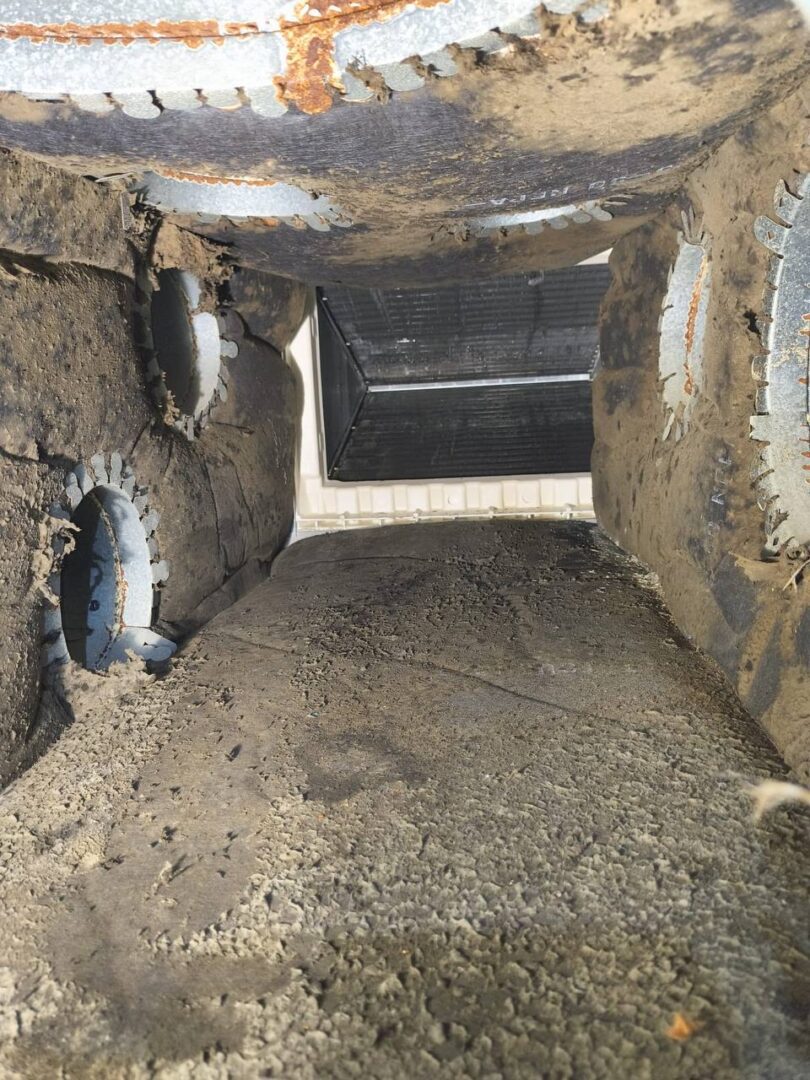
If you live in Pflugerville, you know that this fast-growing Austin suburb along SH 130 offers a mix of new construction homes, established neighborhoods, and expanding commercial corridors. The same factors making this area attractive — rapid development, tree-lined neighborhoods, and a booming housing market — also create conditions where mold can develop inside air ducts.
Mold in air ducts is a legitimate concern for Pflugerville homes, whether you’re in a brand-new build near Stone Hill Town Center or a 20-year-old home in the original Falcon Pointe neighborhood. Here’s what you need to know about spotting it, understanding why it happens, and what to do about it.
Is Mold in Air Ducts Common in Pflugerville?
Yes — mold in air ducts is a recognized issue in Pflugerville and the broader Austin metro area. The combination of Central Texas’ hot, humid summers, seasonal temperature swings, and the area’s specific construction patterns creates a genuine risk for microbial growth inside ductwork.
Pflugerville’s location in northeastern Travis County and southern Williamson County places it in a transitional climate zone where Gulf Coast humidity meets Hill Country geology. This means longer periods of elevated humidity compared to areas further west, but with the same limestone-rich soil that wicks moisture into slab foundations.
Signs of Mold in Your Pflugerville Air Ducts
Mold inside ductwork isn’t always visible — in fact, it often isn’t. But there are several warning signs Pflugerville homeowners can watch for:
- Musty or earthy odors: If you notice a persistent musty smell when your HVAC system runs, especially after the air has been circulating for a few minutes, mold may be present in the ductwork or air handler.
- Visible growth around vents: Black, green, or white speckling around supply registers or return grilles can indicate mold colonizing inside the duct system and spreading to visible surfaces.
- Increased allergy symptoms: If household members experience worsened allergy symptoms — sneezing, coughing, watery eyes, or respiratory irritation — that improve when away from home, mold in the ductwork could be a contributing factor.
- Dust with a stale smell: Normal household dust is dry and odorless. If the dust settling on your furniture has a stale or musty character, it may contain mold spores.
- Humidity problems: Rooms that feel consistently more humid than others, or condensation forming on ductwork in unconditioned spaces like attics, are risk factors for mold development.
Why Pflugerville Homes Are Susceptible to Duct Mold
Several factors specific to Pflugerville make its homes more susceptible to mold in ductwork:
- New construction debris: With Pflugerville’s rapid growth — the city’s population has more than doubled since 2010 — many homes are newly built or recently constructed. New construction often leaves drywall dust, wood fragments, and insulation particles inside ductwork. This organic material provides a food source for mold when moisture is present.
- Slab foundation moisture: Like much of Central Texas, Pflugerville homes are predominantly built on concrete slab foundations. Without proper vapor barriers, moisture from the limestone clay soil can wick through the slab and into ductwork running through or beneath the foundation.
- Attic flex duct condensation: Many Pflugerville homes use flexible ductwork routed through unconditioned attics. During summer, when attic temperatures can exceed 130°F and humidity remains high, condensation forms on cool duct surfaces — creating the moisture mold needs to grow.
- SH 130 corridor dust: Pflugerville’s position along the SH 130 toll road means higher levels of outdoor particulates. When the HVAC system draws in outdoor air, these particles can carry mold spores into the duct system.
- Seasonal pollen loads: Central Texas has one of the longest and most intense allergy seasons in the country. High pollen counts during spring oak and cedar juniper seasons introduce organic material into ductwork that can support mold growth when combined with humidity.
What Causes Mold to Grow in Pflugerville Ductwork
Mold requires three things to grow: moisture, a food source, and the right temperature. In Pflugerville ductwork, all three are commonly present:
- Moisture: Condensation from temperature differentials between cooled air and warm attic spaces, slab moisture wicking, or undiagnosed plumbing leaks near duct runs.
- Food source: Dust, skin cells, pet dander, pollen, construction debris, or insect droppings that accumulate inside ducts.
- Temperature: Ductwork in unconditioned spaces experiences the same temperature fluctuations as the attic or crawl space — warm, humid conditions that mold species thrive in.
Once established, mold colonies release spores into the air that circulate through your home every time the HVAC system operates. This is why addressing mold in ductwork isn’t just about duct cleanliness — it’s about indoor air quality for everyone in the home.
What to Do If You Suspect Mold in Your Pflugerville Air Ducts
If you notice any of the signs mentioned above, here’s the recommended course of action:
- Schedule a professional inspection. A visual inspection with a borescope camera can confirm whether mold is present inside your ductwork. An experienced technician will check all accessible components — supply ducts, return ducts, air handler, evaporator coil, and drain pan.
- Address the moisture source. Mold cannot return if the moisture problem isn’t fixed. This may mean sealing duct leaks, improving attic ventilation, installing a vapor barrier, or adjusting the HVAC system’s humidity control settings.
- Professional cleaning if confirmed. If mold is found, professional air duct cleaning by a NADCA-certified company is the appropriate remediation. This involves negative air pressure, agitation tools, and HEPA vacuuming to remove mold colonies and spores from the entire duct system.
- Preventive maintenance. Regular filter changes, annual HVAC inspections, and keeping attic humidity under control can prevent mold from returning after remediation.
Mold vs. Regular Dust — How to Tell the Difference
Pflugerville homes accumulate dust — that’s normal. But mold and dust are different:
- Dust is dry, powdery, and odorless. It can be gray, brown, or white depending on local soil and construction conditions.
- Mold often appears as spots or patches — black, green, white, or brown — and has a distinct musty or earthy smell. It may appear fuzzy or slimy depending on the species and moisture level.
If you’re unsure, a professional inspection can confirm what you’re dealing with. Many conditions that look like mold to the untrained eye turn out to be dust accumulation or oxidation stains, and vice versa — hidden mold doesn’t become apparent until ductwork is opened and inspected.
Pflugerville-Specific Considerations
Pflugerville’s housing stock varies significantly by neighborhood. Homes in Falcon Pointe, originally built in the 2000s, may have aging flex duct that’s more susceptible to condensation and pest intrusion. Newer developments like Spring Trails and Stone Hill have tighter building envelopes but may have accumulated construction debris in ductwork. Older Pflugerville homes east of I-35 may have original ductwork from the 1980s or 1990s with years of accumulated organic material.
The common thread across all Pflugerville homes is the climate-driven moisture cycle: hot, humid summers followed by mild winters create conditions where mold can persist year-round once established.
Frequently Asked Questions
Q: Can mold in air ducts affect indoor air quality?
A: Yes — mold spores circulating through HVAC systems can affect indoor air quality and trigger allergic reactions in sensitive individuals. If your Pflugerville home has confirmed duct mold, professional remediation is recommended to reduce indoor spore levels.
Q: Will changing my air filter fix mold in the ducts?
A: No — air filters capture airborne particles but cannot remove existing mold colonies growing on duct surfaces. The mold source must be physically removed through professional cleaning.
Q: How do I know if it’s mold or just dirt in my Pflugerville ducts?
A: A professional inspection with a camera inspection tool is the only reliable way to distinguish between dust accumulation and microbial growth. Musty odors and patchy discoloration are strong indicators of mold.
Q: Does home insurance cover mold in air ducts?
A: Coverage varies by policy. Most standard homeowners policies exclude mold remediation unless it results from a covered water damage event. Check with your insurance provider for your specific coverage details.
Q: What’s the best way to prevent mold in Pflugerville ducts?
A: Maintain proper attic ventilation, seal duct leaks to prevent condensation, keep indoor humidity below 55%, change filters regularly, and schedule periodic duct inspections, especially after renovations or if you notice musty odors.
Interested in scheduling an air duct inspection in Pflugerville? Contact AH-CHOO! to discuss your concerns or schedule a professional assessment of your ductwork.
Related Service Areas
- Indoor Air Quality in Pflugerville, TX
- Indoor Air Quality in Round Rock, TX
- Indoor Air Quality in Georgetown, TX
- Indoor Air Quality in New Braunfels, TX
Related AH-CHOO resources: Austin air duct cleaning.