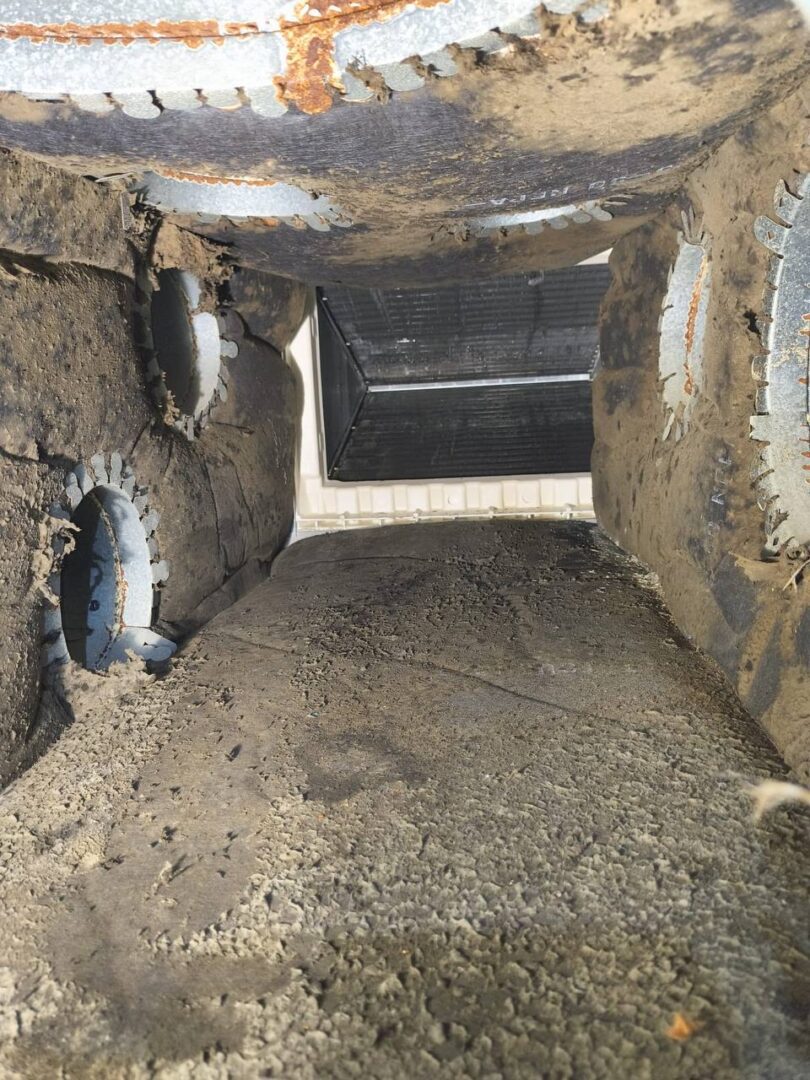
If you live in Round Rock and have noticed a musty smell when your air conditioner kicks on, or someone in your family has been dealing with unexplained allergy symptoms, you might be wondering: is there mold in my air ducts? It’s a valid concern — Round Rock’s humid subtropical climate and ongoing construction boom create conditions where mold can develop inside ductwork. Here’s what Round Rock homeowners should know about mold in air ducts, how to spot it, and what to do about it.
Is Mold in Air Ducts Common in Round Rock?
Yes — mold in air ducts is relatively common in Round Rock homes, particularly in those built or renovated within the last 5-10 years. Several factors make Round Rock more susceptible than some other parts of Texas:
- Humid subtropical climate: Round Rock experiences hot, humid summers with dew points often in the 70s. When humid air enters ductwork and meets cooler surfaces (like air conditioning ducts during summer), condensation forms — and where there’s moisture, mold can grow.
- New construction moisture: Round Rock is one of the fastest-growing cities in the United States. New construction homes often have residual moisture from building materials — drywall compound, concrete curing, and paint fumes — that gets trapped in sealed ductwork before it has a chance to dry out.
- Limestone groundwater seepage: Round Rock sits on the Balcones Fault line, with limestone bedrock that creates unique groundwater drainage patterns. In homes with slab foundations, moisture can wick up through the concrete and into crawl spaces or ductwork, creating persistent humidity.
- Attic ductwork in extreme temperatures: Many Round Rock homes have ductwork in unconditioned attics where summer temperatures can exceed 130°F and winter temperatures drop below freezing. This temperature cycling creates condensation inside ducts that never fully dries out.
What Causes Mold Growth in Round Rock Ductwork
Mold needs three things to grow: moisture, organic material (food), and the right temperature. Air ducts provide all three when conditions are right. Here are the most common causes in Round Rock homes:
- Condensation in flex duct: Flexible ductwork is common in newer Round Rock construction. When cold air from the AC passes through flex duct in a hot attic, condensation forms inside the duct lining. Over time, this moisture supports mold growth.
- Dust and debris accumulation: Air ducts naturally collect dust, pet dander, pollen, and other organic debris. When this accumulation gets wet from condensation or high humidity, it becomes a food source for mold.
- Poor ventilation in sealed homes: Modern energy-efficient homes are built tight, which is great for energy bills but can trap indoor moisture. Without adequate ventilation, humidity builds up inside the duct system.
- Duct leaks drawing in humid air: Leaks in return ducts can pull hot, humid attic air directly into the duct system, introducing moisture and contaminants that feed mold growth.
- Standing water from HVAC condensation: Clogged condensate drains or improperly sloped drain lines can cause water to back up into the air handler, where it sits and promotes microbial growth that then spreads through the duct system.
How to Tell If There’s Mold in Your Round Rock Air Ducts
Not all mold is visible — some of the most problematic growth happens inside ductwork where you can’t see it. But there are several warning signs that Round Rock homeowners can watch for:
- Musty or earthy odors: A persistent musty smell when your HVAC system runs is one of the most common indicators of mold in ductwork. If the odor is strongest near vent registers or the air handler, it’s likely coming from inside the duct system.
- Visible mold around vents: Black, green, or white spotting around vent registers or on the grilles themselves is a clear sign that mold is present in the duct system.
- Allergy symptoms that worsen indoors: If family members experience sneezing, congestion, eye irritation, or asthma symptoms that improve when they leave the house, mold in the ductwork could be a contributing factor.
- Unexplained respiratory issues: Coughing, throat irritation, or sinus congestion that has no clear seasonal pattern and seems to correlate with HVAC usage.
- Visible moisture near HVAC equipment: Water staining, puddling, or condensation around the air handler, duct connections, or drip pan suggests moisture problems that can lead to mold.
Why Round Rock’s Rapid Growth Creates Mold Conditions
Round Rock’s status as one of America’s fastest-growing cities creates a unique set of mold risk factors that older, established communities don’t face:
- Construction timeline compression: Builders are under pressure to complete homes quickly, which can mean ductwork is installed while building materials are still curing and releasing moisture.
- I-35 corridor pollution: Proximity to the I-35 corridor means higher levels of outdoor particulates that get pulled into HVAC systems and settle inside ductwork.
- Changing microclimate: As Round Rock has grown from a small town to a major suburb, the local microclimate has shifted — more pavement, less natural ground cover, and altered drainage patterns all affect how moisture behaves around homes.
- Mixed housing stock: Round Rock has everything from brand-new subdivisions near Dell Diamond to established neighborhoods from the 1980s and 1990s. Older homes may have aging ductwork with leaks and deterioration, while newer homes may still be off-gassing construction moisture.
The Difference Between Mold and Mildew in Ductwork
Homeowners often use “mold” and “mildew” interchangeably, but they’re different and require different approaches:
- Mildew: A surface-level fungus that grows on damp surfaces. It appears as white, gray, or light brown patches and has a dusty, flat appearance. Mildew is easier to clean and typically doesn’t penetrate the surface it’s growing on. In ductwork, mildew usually indicates a humidity problem that needs addressing.
- Mold: Can penetrate porous surfaces and is more difficult to remove. It appears in various colors (black, green, blue, red) and often has a fuzzy or slimy texture. Mold in ductwork typically requires professional remediation because attempting to clean it can spread spores throughout the HVAC system.
If you see black, green, or dark spotting inside your ductwork or around vent registers, it’s more likely mold than mildew and should be professionally evaluated.
What to Do If You Suspect Mold in Your Round Rock Air Ducts
If you’ve noticed any of the warning signs mentioned above, here’s the right approach for Round Rock homeowners:
- Don’t try to clean it yourself. Disturbing mold in ductwork can send spores throughout your entire home. DIY cleaning products like bleach aren’t effective on porous duct surfaces and may make the problem worse.
- Schedule a professional inspection. A NADCA-certified inspector can perform a camera scoping inspection of your ductwork to confirm whether mold is present, identify the type, and determine the extent of contamination.
- Choose NADCA-certified cleaning if needed. Professional mold remediation in ducts involves HEPA vacuuming, source removal, and in some cases antimicrobial treatment applied by certified technicians.
- Address the moisture source. Cleaning removes the mold, but if the underlying moisture problem isn’t fixed — whether it’s condensation, a duct leak, or a drainage issue — the mold will return.
- Follow up with preventive measures: Improve attic ventilation, seal duct leaks, clean or replace HVAC filters regularly, and maintain proper humidity levels in your home.
Frequently Asked Questions
Can mold in air ducts make you sick in Round Rock?
Mold spores circulated through HVAC systems can trigger allergic reactions, asthma symptoms, and respiratory issues for sensitive individuals. If symptoms improve when you’re away from home, mold in the ductwork may be a contributing factor.
Does Round Rock have more mold problems than other Texas cities?
Round Rock’s rapid new construction boom means more homes have residual construction moisture that can lead to mold in sealed ductwork. Combined with the area’s humid subtropical climate, this creates conditions that differ from more established cities.
Should I clean mold from my own air ducts?
No — DIY mold cleaning can spread spores throughout the HVAC system. Professional NADCA-certified cleaning with HEPA vacuum and antimicrobial treatment is the recommended approach for confirmed mold in ductwork.
How do HVAC companies test for mold in ducts?
Professional inspection typically uses camera scoping to visually confirm mold presence, followed by surface sampling to identify mold types. This evidence-based approach follows NADCA S100-2025 standards.
Next Steps for Round Rock Homeowners
If you suspect mold in your Round Rock home’s air ducts, the right first step is a professional inspection. Our NADCA-certified technicians can scope your ductwork, identify any contamination, and provide clear recommendations. Schedule your free inspection and find out what’s really in your ducts.
Related Service Areas
- Indoor Air Quality in Pflugerville, TX
- Indoor Air Quality in Round Rock, TX
- Indoor Air Quality in Georgetown, TX
- Indoor Air Quality in New Braunfels, TX
Related AH-CHOO resources: Austin air duct cleaning.