SEO Title: Daycare Air Quality in Texas: Why Duct Cleaning Is Non-Negotiable
Meta Description: Daycare air quality in Texas. NADCA-certified duct cleaning for childcare centers. Protect children’s developing lungs. 38 years experience. Book free inspection.
Slug: daycare-air-quality-texas
Target Keywords: daycare air quality Texas, childcare center duct cleaning Texas, daycare HVAC cleaning Houston
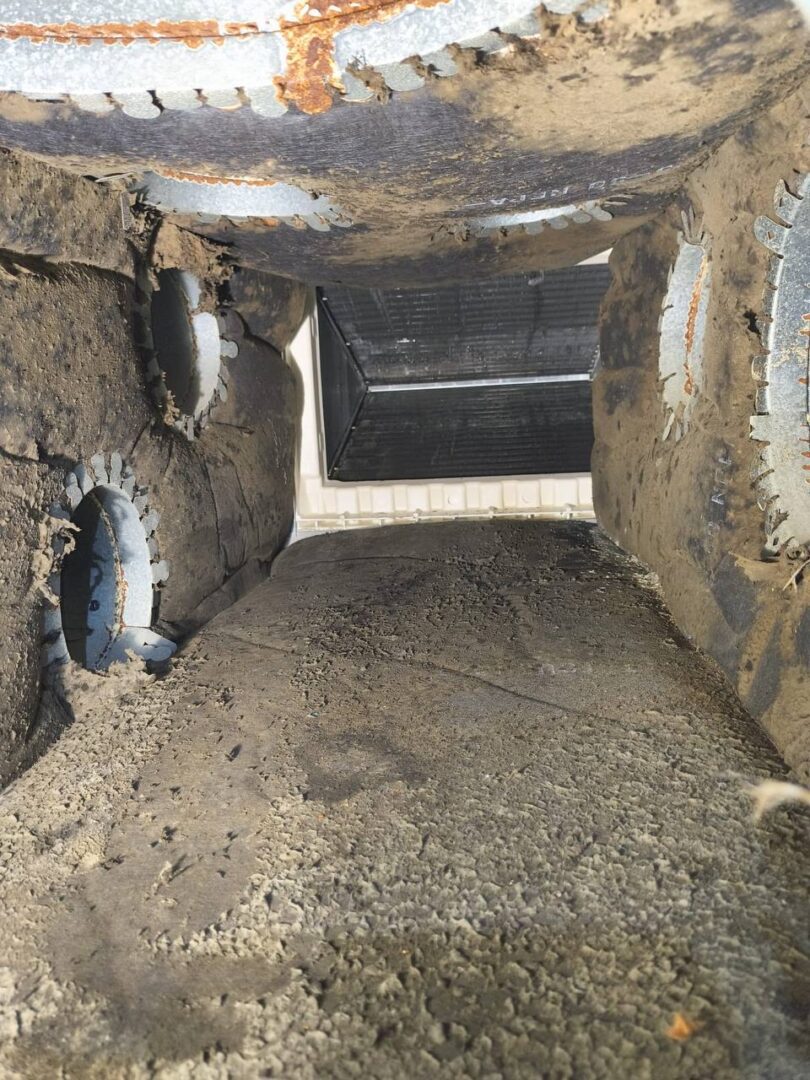
Children in Texas daycare centers spend 8–10 hours per day in your facility. Their lungs are developing. Their immune systems are maturing. They breathe more air relative to their body weight than adults do — and what’s in that air has a proportionally larger impact on their health outcomes. When the ductwork in a Texas childcare facility is contaminated with dust, allergens, mold, or biological matter, the children who spend the most time there receive the most exposure.
This isn’t a niche concern. It’s a fundamental responsibility of every childcare facility operator in Texas.
AH-CHOO! Indoor Air Quality has provided NADCA-certified duct cleaning to Texas institutional and commercial facilities for 38 years, including childcare centers and early education facilities. Here’s what Texas daycare operators need to know about IAQ standards, regulatory requirements, and the concrete steps that protect the children in their care.
Why Children Are More Vulnerable to Air Contaminants
The physiological difference between children and adults matters enormously in the context of indoor air quality:
Higher Breathing Rate
Children breathe 20–50% more air per unit of body weight than adults. An infant in a contaminated room inhales proportionally far more of whatever is in that air than an adult in the same room.
Developing Respiratory Systems
Children’s lungs continue developing through adolescence. Repeated exposure to airborne contaminants during these developmental years is associated with increased rates of asthma, allergic sensitization, and reduced lung function in adulthood.
Less Effective Immune Defense
Young children’s immune systems haven’t yet developed the full repertoire of defenses that adults have built up through years of exposure. Mold spores, bacterial contaminants, and allergens that healthy adults manage routinely can cause meaningful illness in infants and toddlers.
Time on the Floor
Infants and toddlers spend significant time at floor level — crawling, rolling, and playing on surfaces that collect settled particles from contaminated return air. Floor-level return vents draw these particles back into the duct system and redistribute them as fresh contamination.
Texas Childcare Licensing and IAQ Requirements
The Texas Health and Human Services Commission (HHSC) regulates childcare centers and homes under Chapter 746 (centers) and Chapter 745 (general licensing). These regulations address physical facility requirements including:
Ventilation Requirements (§746.3501)
Licensed childcare centers must maintain adequate ventilation that provides a sufficient supply of clean, fresh air. An HVAC system with contaminated ductwork cannot consistently deliver what this standard requires.
Mold and Moisture Control
HHSC inspectors who identify mold or conditions conducive to mold growth can require immediate corrective action. Childcare facilities with documented ductwork contamination that is discovered during an inspection face potential citations, corrective action plans, and in serious cases, license jeopardy.
Physical Space Standards
The regulations require that facilities be maintained in a clean, sanitary condition. Visible dust from contaminated registers and musty odors from contaminated ductwork are indicators inspectors note.
Regular, documented NADCA-certified duct cleaning is among the strongest evidence a Texas daycare can present that it takes its physical environment standards seriously.
What Texas Daycare HVAC Systems Accumulate
Respiratory Pathogens and Allergens
Childcare settings are high-transmission environments. Children share air, touch shared surfaces, and interact at close range throughout the day. When a child with a respiratory illness is present, the HVAC system circulates exhaled particles throughout the facility. Contaminated ductwork harbors the residue of past illnesses, creating a persistent baseline of pathogen exposure.
Mold from Bathroom Humidity
Childcare facilities have high bathroom usage relative to their square footage — diaper changing, toilet training, and handwashing create elevated humidity. In Houston’s already-humid climate, this bathroom moisture migrates into adjacent HVAC returns and supports biological growth inside ductwork.
Art Supply and Cleaning Product Residue
Childcare facilities use a wide range of materials: craft supplies, paints, adhesives, and cleaning and sanitizing products required by HHSC regulations. Many of these materials contribute VOCs and chemical residues to the air. Over time, these accumulate in ductwork.
Outdoor Allergens
Texas’s extended pollen seasons — cedar in winter, oak and grass in spring, ragweed in fall — are drawn into facilities through HVAC fresh-air intake. Children with developing allergic systems are particularly susceptible to sensitization from high, repeated pollen exposure.
What Good Daycare IAQ Management Looks Like
A Texas childcare facility with a rigorous IAQ program will have:
- Regular filter changes — HHSC-compliant facilities should have filters changed per manufacturer specifications, but filters only capture a fraction of what flows through the system.
- Documented HVAC maintenance — Records showing that the full system, not just filters, has been professionally maintained.
- Professional duct inspection every two to three years — More frequently if the facility has experienced water intrusion, has seen unusual illness rates, or has received complaints about air quality.
- Immediate response to moisture events — Any roof leak, plumbing issue, or flooding incident that could introduce moisture into the HVAC system should trigger immediate professional assessment.
AH-CHOO.’s inspection process documents current conditions in the ductwork and provides facility managers with a clear picture of what’s there and what needs to be addressed.
Parent Communication: A Transparency Advantage
Texas parents choosing childcare facilities are increasingly asking detailed questions about facility conditions, cleaning protocols, and maintenance standards. A daycare that can document recent NADCA-certified duct cleaning by a company with 38 years of experience has a concrete, credible answer to questions about air quality.
In a competitive Texas childcare market — particularly in Houston and Austin, where working parents have meaningful choice among licensed facilities — documented IAQ maintenance is a differentiator. It’s also simply the right thing to do.
Scheduling Around Childcare Operations
Texas childcare facilities are typically open five days a week, with limited downtime. We work with childcare operators to find scheduling windows:
- Evenings after closing
- Weekend or holiday periods
- Summer program breaks (for facilities that close or reduce capacity in summer)
- Scheduled facility closure days
Our one-job-per-day commitment means we dedicate approximately 7 full hours to each facility — not a rushed two-hour visit that leaves sections of the system untouched.
Frequently Asked Questions: Texas Daycare Duct Cleaning
Is duct cleaning required for Texas childcare licensing?
Texas HHSC regulations require adequate ventilation and sanitary facility conditions. While there is no statute specifying a duct cleaning frequency, contaminated ductwork that affects air quality or shows evidence of mold can constitute a licensing violation. Proactive cleaning and documentation is the compliance-forward approach.
How do I explain duct cleaning to daycare parents?
Frame it as what it is: proactive maintenance of the air system that circulates air through the spaces where their children spend 8–10 hours a day. Parents who care about their children’s environments — which is all of them — appreciate concrete evidence of facility stewardship.
How long does daycare duct cleaning take?
AH-CHOO! dedicates approximately 7 hours to each job. For larger childcare facilities with multiple buildings or extensive classroom wings, we develop a phased schedule that respects operating hours.
What if mold is found during our facility’s inspection?
If our inspection identifies mold, we discuss the findings immediately and present [mold remediation options](/mold-remediation-houston). In a childcare context, identified mold is treated as an urgent finding. We do not recommend waiting.
Can contaminated ductwork increase illness rates in daycare children?
Evidence suggests yes. Contaminated ductwork can harbor and recirculate pathogen-containing particles, allergens, and mold spores — all of which are associated with increased respiratory illness, allergic responses, and general immune system challenge. Clean ductwork reduces one significant source of continuous airborne exposure.
Does AH-CHOO! provide documentation I can share with HHSC?
Yes. We provide written documentation of work performed, scope, and NADCA certification status, suitable for HHSC compliance records and facility inspection files.
The Children in Your Care Deserve Clean Air: Book a Free Inspection
Every Texas childcare operator who has chosen this work understands the responsibility it carries. Clean air is one of the most fundamental things you can provide for the children in your facility. A free, no-obligation inspection from AH-CHOO! Indoor Air Quality gives you factual information about your current duct conditions.
[Book your free inspection at crm.ahchooindoorair.com/book](https://crm.ahchooindoorair.com/book)
With 38 years of experience, NADCA certification, and a genuine commitment to the facilities that serve Texas’s youngest residents, AH-CHOO! Indoor Air Quality is the partner Texas childcare operators trust.
“`json
{
“@context”: “https://schema.org”,
“@graph”: [
{
“@type”: “Article”,
“headline”: “Daycare Air Quality in Texas: Why Duct Cleaning Is Non-Negotiable”,
“description”: “Daycare air quality and duct cleaning for Texas childcare centers. NADCA-certified, 38 years experience. HHSC compliance, child health protection.”,
“author”: {
“@type”: “Organization”,
“name”: “AH-CHOO! Indoor Air Quality”,
“url”: “https://ahchooindoorair.com”
},
“publisher”: {
“@type”: “Organization”,
“name”: “AH-CHOO! Indoor Air Quality”,
“url”: “https://ahchooindoorair.com”
},
“datePublished”: “2026-03-26”,
“dateModified”: “2026-03-26”
},
{
“@type”: “FAQPage”,
“mainEntity”: [
{
“@type”: “Question”,
“name”: “Is duct cleaning required for Texas childcare licensing?”,
“acceptedAnswer”: {
“@type”: “Answer”,
“text”: “Texas HHSC regulations require adequate ventilation and sanitary facility conditions. While there is no statute specifying a duct cleaning frequency, contaminated ductwork that affects air quality or shows evidence of mold can constitute a licensing violation. Proactive cleaning and documentation is the compliance-forward approach.”
}
},
{
“@type”: “Question”,
“name”: “Can contaminated ductwork increase illness rates in daycare children?”,
“acceptedAnswer”: {
“@type”: “Answer”,
“text”: “Evidence suggests yes. Contaminated ductwork can harbor and recirculate pathogen-containing particles, allergens, and mold spores — all associated with increased respiratory illness and allergic responses in young children. Clean ductwork reduces one significant source of continuous airborne exposure.”
}
},
{
“@type”: “Question”,
“name”: “What if mold is found during our daycare facility’s inspection?”,
“acceptedAnswer”: {
“@type”: “Answer”,
“text”: “If mold is identified, AH-CHOO! discusses findings immediately and presents mold remediation options. In a childcare context, identified mold is treated as an urgent finding requiring immediate action.”
}
},
{
“@type”: “Question”,
“name”: “How long does daycare duct cleaning take?”,
“acceptedAnswer”: {
“@type”: “Answer”,
“text”: “AH-CHOO! dedicates approximately 7 hours to each job. For larger childcare facilities, we develop a phased schedule that respects operating hours.”
}
},
{
“@type”: “Question”,
“name”: “Does AH-CHOO! provide documentation for HHSC compliance records?”,
“acceptedAnswer”: {
“@type”: “Answer”,
“text”: “Yes. AH-CHOO! provides written documentation of work performed, scope, and NADCA certification status, suitable for Texas HHSC compliance records and facility inspection files.”
}
}
]
}
]
}
“`
Related Service Areas
- Houston Outdoor Air Pollution & Indoor Air
- EPA Duct Cleaning Skepticism in Houston’s Climate
- Houston Ozone Action Days & Indoor Air
- Air Duct Cleaning in Memorial, TX
Related AH-CHOO resources: commercial air duct cleaning; schedule a free inspection.