Meta Description: New Texas homes are delivered with dirty ductwork. Construction debris, drywall dust, and insulation fragments hide inside new ducts. Here’s why new home duct cleaning matters.
“`json
{
“@context”: “https://schema.org”,
“@graph”: [
{
“@type”: “Article”,
“@id”: “https://ahchooindoorair.com/blog/new-home-air-duct-cleaning-texas”,
“headline”: “New Construction Air Duct Cleaning: What Texas Builders Don’t Tell You”,
“description”: “New Texas homes are delivered with dirty ductwork. Construction debris, drywall dust, and insulation fragments hide inside new ducts. Here’s why new home duct cleaning matters.”,
“url”: “https://ahchooindoorair.com/blog/new-home-air-duct-cleaning-texas”,
“datePublished”: “2026-03-26”,
“dateModified”: “2026-03-26”,
“author”: {
“@type”: “Organization”,
“name”: “AH-CHOO! Indoor Air Quality”,
“url”: “https://ahchooindoorair.com”
},
“publisher”: {
“@type”: “Organization”,
“name”: “AH-CHOO! Indoor Air Quality”,
“logo”: {
“@type”: “ImageObject”,
“url”: “https://ahchooindoorair.com/logo.png”
}
}
},
{
“@type”: “FAQPage”,
“mainEntity”: [
{
“@type”: “Question”,
“name”: “Are air ducts dirty in brand new homes?”,
“acceptedAnswer”: {
“@type”: “Answer”,
“text”: “Yes. Construction debris routinely enters open duct systems during the building process. Drywall dust, wood particles, insulation fragments, adhesive residue, and general construction particulate accumulate inside duct systems before the home is ever occupied. This debris circulates from day one unless professionally removed.”
}
},
{
“@type”: “Question”,
“name”: “What kind of debris is found in new construction ducts?”,
“acceptedAnswer”: {
“@type”: “Answer”,
“text”: “The most common materials found in new construction ductwork include drywall dust (calcium sulfate particles), wood shavings, fiberglass insulation fragments, metal shavings from duct fabrication, paint overspray, spray foam insulation particles, construction adhesive, and in some cases, rodent and pest evidence from site activity.”
}
},
{
“@type”: “Question”,
“name”: “Is drywall dust in new home ducts harmful?”,
“acceptedAnswer”: {
“@type”: “Answer”,
“text”: “Yes. Drywall dust (calcium sulfate) particles in the respirable size range (below 10 microns) can irritate the respiratory system. At higher concentrations, drywall dust exposure is associated with respiratory inflammation. For anyone with asthma or existing respiratory conditions, new construction duct debris is a meaningful health concern.”
}
},
{
“@type”: “Question”,
“name”: “Do builders clean the ducts before turning over a new home?”,
“acceptedAnswer”: {
“@type”: “Answer”,
“text”: “Standard practice does not include professional duct cleaning before turnover. Builders may perform a general construction cleanup but do not typically arrange NADCA-certified duct cleaning. This is an industry norm that leaves new homeowners with contaminated duct systems from day one of occupancy.”
}
},
{
“@type”: “Question”,
“name”: “When is the best time to clean a new construction home’s ducts?”,
“acceptedAnswer”: {
“@type”: “Answer”,
“text”: “Ideally, duct cleaning in new construction should occur before move-in or within the first few weeks of occupancy. Cleaning after all drywall, painting, and finishing work is complete — but before you’ve furnished the home and begun living in it — captures the construction debris load most effectively.”
}
}
]
}
]
}
“`
There’s a belief that a brand-new home means brand-new air quality. Clean construction, fresh materials, never-been-lived-in systems. It’s a reasonable assumption — and it’s wrong.
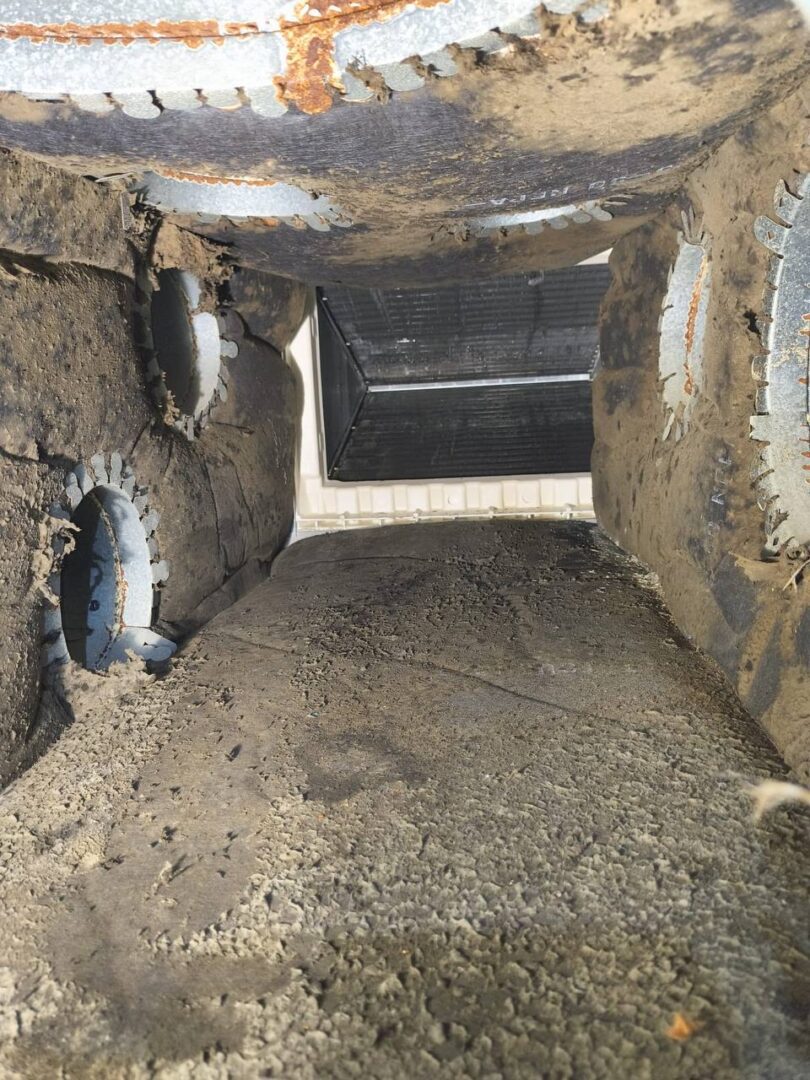
New construction homes in Texas are delivered with duct systems that contain construction debris from the building process. Drywall dust, insulation fragments, wood particles, and assorted construction particulate are present inside the ductwork of virtually every new home. And from the day you move in, your HVAC system is circulating that material through the air your family breathes.
This is not a controversial claim — it’s documented, well-understood in the industry, and something most builders simply don’t volunteer to new homeowners.
How Construction Debris Gets Into New Ducts
Understanding the construction sequence explains why new ducts are inevitably contaminated.
In Texas residential construction, the duct system is typically installed by HVAC subcontractors early in the framing process — before drywall, insulation, painting, and finishing work begins. This sequence is driven by practical necessity: the ducts need to be run before walls are closed.
Here’s the problem: once the duct system is installed, construction continues around it for weeks or months. Every subsequent trade — drywall hangers, insulators, trim carpenters, painters, flooring installers — generates particulate matter that enters open register boots, gaps at duct connections, and any unsealed penetrations.
Drywall installation alone generates enormous quantities of fine calcium sulfate dust that settles into every horizontal surface — including the interiors of horizontal duct runs. Insulation blowing, texture coating, and painting add additional layers.
Register boots — the metal boxes at each supply and return outlet — are typically left open throughout construction to allow access and airflow in the building. They’re natural collection points for construction debris.
By the time the home is complete and ready for turnover, the duct system has been the recipient of weeks of construction activity, with no cleaning performed.
What We Find in New Construction
After 38 years of cleaning duct systems, including many new construction cleanings in Houston’s rapidly growing suburbs, we have a consistent picture of what new construction ducts contain.
Drywall Dust
This is the dominant material in most new construction ducts. Calcium sulfate particles from drywall cutting and finishing settle throughout the duct system, particularly in horizontal runs. The particles can be remarkably fine — respirable-sized particles that pass through standard filters and are inhaled deep into the respiratory system.
We’ve extracted bags of visible drywall dust from duct systems in homes that had been occupied for as little as a week. The homeowners were often astonished — they hadn’t noticed anything unusual about their air quality, but the quantity of material we removed made it clear the system had never been clean.
Insulation Fragments
Fiberglass insulation fragments are a common finding, particularly in homes where blown-in insulation was used in the attic. Insulation fibers shed from improperly covered attic vents or from duct penetrations through insulated cavities. These fibers are respiratory irritants.
In homes with spray foam insulation, we sometimes find small particles of cured foam that entered the duct system during application.
Metal Particles
Duct fabrication generates metal shavings and fragments from cutting and drilling operations. These settle in duct boots and accessible sections. While not typically a major health concern at the quantities found, they’re evidence of the unclean state of new duct systems.
Pest Evidence
Texas building sites have active rodent and insect populations. Open duct systems on construction sites can be accessed by mice, rats, and insects seeking shelter. We regularly find evidence of site activity — nesting material, droppings, insect activity — in new construction ducts. This is especially common in homes that sat vacant for extended periods between construction completion and occupancy.
A Spring home we cleaned a few years ago had been completed and then sat on the market for eight months. Our new construction cleaning found rodent activity throughout the return duct system — a significant contamination issue the new owners had no reason to suspect given the home’s apparent newness.
The Health Impact on New Homeowners
Most new homeowners notice nothing specific in the first weeks of occupancy. The debris load in new construction ducts doesn’t typically produce dramatic air quality events — it produces a subtle but continuous degraded air quality that’s easy to attribute to normal house “settling” or the adjustment to a new environment.
Children and individuals with respiratory conditions may notice symptoms that others don’t:
- Persistent dry cough or throat clearing
- Irritated eyes or nasal passages
- Unusual dust accumulation on new furniture within weeks of moving in
- Worsening allergy or asthma symptoms that seem inconsistent with season
The fine particulate from construction materials is particularly concerning for respiratory health. Drywall dust in respirable sizes is associated with respiratory inflammation; fiberglass fragments are irritants; and the combination of materials represents a consistent daily exposure for the entire household.
The Builder’s Responsibility Gap
This is worth stating plainly: there is no industry standard requiring builders to professionally clean duct systems before home turnover. The builder’s cleanup scope — typically performed by a cleaning crew in the final days before closing — focuses on visible surfaces: floors, countertops, windows, appliances.
Inside the duct system is explicitly not part of this cleanup. The builder’s HVAC subcontractor installs the system but doesn’t clean it before turnover.
When new homeowners ask builders about this, the response is typically that the system is new and doesn’t need cleaning. This conflates the age of the ductwork (new) with its cleanliness (not new — containing construction debris from the day it was installed).
The NADCA’s position on this is clear: new construction homes benefit significantly from duct cleaning before or shortly after occupancy precisely because of the construction debris loading issue.
When to Schedule New Construction Duct Cleaning
The optimal window is before occupancy, or as close to move-in as possible.
Pre-move-in cleaning: The most thorough option. Performed after all construction work is complete but before furniture, personal belongings, and family are in the home. No furniture needs to be moved, no scheduling around occupants.
First-week cleaning: If pre-move-in isn’t feasible, the first week of occupancy is the next-best option. The construction debris load is at its maximum. Getting it out before it circulates indefinitely captures the full benefit.
First 90 days: Even cleaning within the first three months of occupancy provides significant benefit. The debris from construction has been circulating, but the system hasn’t accumulated years of occupancy debris on top of construction debris.
[Residential duct cleaning](https://ahchooindoorair.com/residential-duct-cleaning) for new construction follows the same NADCA-certified process as cleaning established systems — negative air pressure combined with mechanical agitation throughout the entire duct network. For new construction, the focus is removing construction-specific debris rather than years of occupancy accumulation.
If any moisture issues are identified during inspection — condensation from the AC running in a hot, newly-sealed home before humidity control is fully established — [mold remediation](https://ahchooindoorair.com/mold-remediation) can be incorporated to prevent early biological growth from becoming an established problem.
For new commercial construction or large multi-family developments, [commercial duct cleaning](https://ahchooindoorair.com/commercial-duct-cleaning) delivers the same benefit at scale.
A Common-Sense Investment in Your New Home
You’ve invested significantly in a new home. The duct system is part of the infrastructure delivering your indoor environment. Spending one day having it professionally cleaned before your family begins breathing through it is among the most sensible investments in your new home’s health performance.
The inspection is free. We’ll tell you what we find.
[Book your free inspection at crm.ahchooindoorair.com/book](https://crm.ahchooindoorair.com/book)
Frequently Asked Questions
Are air ducts dirty in brand new homes?
Yes. Construction debris routinely enters open duct systems during the building process. Drywall dust, wood particles, insulation fragments, adhesive residue, and general construction particulate accumulate inside duct systems before the home is ever occupied. This debris circulates from day one unless professionally removed.
What kind of debris is found in new construction ducts?
The most common materials found in new construction ductwork include drywall dust (calcium sulfate particles), wood shavings, fiberglass insulation fragments, metal shavings from duct fabrication, paint overspray, spray foam insulation particles, construction adhesive, and in some cases, rodent and pest evidence from site activity.
Is drywall dust in new home ducts harmful?
Yes. Drywall dust (calcium sulfate) particles in the respirable size range (below 10 microns) can irritate the respiratory system. At higher concentrations, drywall dust exposure is associated with respiratory inflammation. For anyone with asthma or existing respiratory conditions, new construction duct debris is a meaningful health concern.
Do builders clean the ducts before turning over a new home?
Standard practice does not include professional duct cleaning before turnover. Builders may perform a general construction cleanup but do not typically arrange NADCA-certified duct cleaning. This is an industry norm that leaves new homeowners with contaminated duct systems from day one of occupancy.
When is the best time to clean a new construction home’s ducts?
Ideally, duct cleaning in new construction should occur before move-in or within the first few weeks of occupancy. Cleaning after all drywall, painting, and finishing work is complete — but before you’ve furnished the home and begun living in it — captures the construction debris load most effectively.
Related Service Areas
- Air Duct Cleaning in Memorial, TX
- Spring Duct Cleaning in Houston Before Summer
- Grass Pollen in Houston Air Ducts (March)
- Multi-Pollen Houston HVAC in Spring
Related AH-CHOO resources: commercial air duct cleaning; schedule a free inspection.