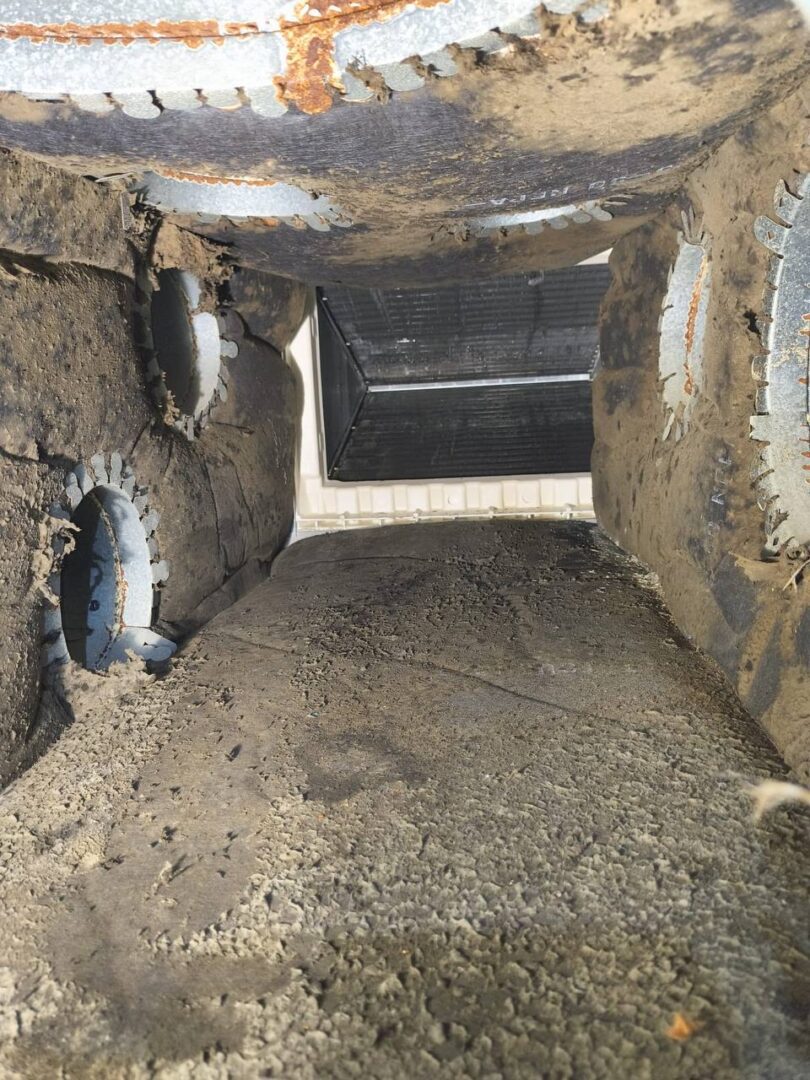
Meta Description: Water damage restoration that skips duct cleaning leaves mold growing inside your HVAC system. Here’s what Houston homeowners need to know — and demand — after any flooding event.
“`json
{
“@context”: “https://schema.org”,
“@graph”: [
{
“@type”: “Article”,
“headline”: “Air Duct Cleaning After Water Damage: The Step Most Restoration Companies Skip”,
“description”: “Water damage restoration that skips duct cleaning leaves mold growing inside your HVAC system. Here’s what Houston homeowners need to know — and demand — after any flooding event.”,
“author”: {
“@type”: “Organization”,
“name”: “AH-CHOO! Indoor Air Quality”
},
“publisher”: {
“@type”: “Organization”,
“name”: “AH-CHOO! Indoor Air Quality”,
“url”: “https://ahchooindoorair.com”
},
“mainEntityOfPage”: “https://ahchooindoorair.com/blog/duct-cleaning-after-water-damage”
},
{
“@type”: “FAQPage”,
“mainEntity”: [
{
“@type”: “Question”,
“name”: “Do I need duct cleaning after water damage in my home?”,
“acceptedAnswer”: {
“@type”: “Answer”,
“text”: “Yes, in most cases. If water entered your home at any level where ductwork runs — including a flooded ground floor with slab-mounted returns, a basement, or a crawl space — or if standing water was present near the air handler, your duct system should be professionally inspected and likely cleaned before you resume normal HVAC operation.”
}
},
{
“@type”: “Question”,
“name”: “How quickly does mold grow in ducts after water damage?”,
“acceptedAnswer”: {
“@type”: “Answer”,
“text”: “Mold can begin developing on wet surfaces within 24–48 hours in warm, humid conditions like those found in Houston. Inside ductwork, where darkness and organic debris provide ideal growing conditions, mold can establish colonies within days of a water intrusion event.”
}
},
{
“@type”: “Question”,
“name”: “What happens if you run your HVAC after water damage without cleaning the ducts?”,
“acceptedAnswer”: {
“@type”: “Answer”,
“text”: “Running an HVAC system with contaminated or wet ductwork can rapidly spread mold spores and other contaminants throughout your entire home. It can also introduce moisture to previously dry areas of the duct system, extending contamination. Most professionals recommend keeping the system off until ducts are inspected and cleared.”
}
},
{
“@type”: “Question”,
“name”: “Will my homeowner’s insurance cover duct cleaning after flooding?”,
“acceptedAnswer”: {
“@type”: “Answer”,
“text”: “Coverage depends on your specific policy and the cause of the water damage. Sudden, accidental water damage (like a burst pipe) is often covered; flooding from storms or external water sources typically requires separate flood insurance. Document everything and consult your insurer before any restoration work begins.”
}
},
{
“@type”: “Question”,
“name”: “What does duct cleaning after water damage involve?”,
“acceptedAnswer”: {
“@type”: “Answer”,
“text”: “Post-water-damage duct cleaning involves a full system inspection including accessible interior surfaces, removal of any contaminated insulation or debris, mechanical cleaning with HEPA vacuum extraction, and antimicrobial treatment of affected surfaces. The process takes approximately 7 hours for a thorough residential job.”
}
}
]
}
]
}
“`
When water enters a Houston home — whether from a hurricane, a burst pipe, a roof leak, or the flooding that hits this region with uncomfortable frequency — the restoration checklist gets long fast. Extract the water. Dry the structure. Remove damaged drywall. Treat affected surfaces. Restore contents.
It’s a comprehensive process. And almost universally, it skips one critical step.
The ductwork.
After 38 years of inspecting Houston homes after water events, our NADCA-certified team has seen the same scenario play out repeatedly: a water damage restoration job gets signed off as complete, the homeowner moves back in, the HVAC system runs — and within weeks or months, mold is growing in places it wasn’t before. Or the household starts experiencing persistent respiratory symptoms. Or both.
The missed step in the restoration process was the duct system. Here’s why it matters and what you should demand when any water event affects your home.
Why Restoration Companies Skip the Ducts
Water damage restoration companies operate quickly and under pressure — often in the aftermath of widespread events where demand far outstrips available labor. Their scope of work is typically defined by visible water intrusion: wet drywall, saturated flooring, soaked insulation.
Ductwork is largely invisible. It runs inside walls, through ceiling cavities, beneath floors, through attic spaces. Most of it cannot be seen from the exterior without camera equipment. And critically: ductwork doesn’t always flood the way a floor does. Water can enter a return duct located near a flooded area, travel inside the duct, and deposit moisture at bends and low points throughout the system — without any visible exterior indication.
Restoration companies that aren’t HVAC-specialized often either don’t check the ducts or give them a cursory visual inspection of accessible sections only. What they miss becomes a mold problem weeks later.
How Water Reaches Your Duct System
Understanding the pathways helps Houston homeowners know what to look for:
Slab-Level Return Ducts
Many Houston homes built on concrete slabs have return air ducts that run at or near floor level — sometimes through the wall just above the slab, or as low-mounted return registers. When water enters the home and covers the floor, even briefly, it can enter return ducts through these low openings and travel through the return plenum toward the air handler.
Crawl Space Ductwork
Homes on pier-and-beam foundations often route ductwork through the crawl space beneath the floor. Flooding that enters the crawl space directly immerses or soaks ductwork from the exterior. Even insulated flex duct can absorb and hold moisture for days after the crawl space dries out.
Air Handler Unit Location
Ground-floor air handlers — in mechanical closets, utility rooms, or garages — can be directly affected by standing water. Electrical components aside, a flooded air handler distributes contaminated, moisture-laden air through the entire duct system every time it runs.
Attic Intrusion from Roof Damage
Roof damage during storms can allow significant water infiltration into attic spaces. Ductwork running through the attic — which in Houston is the majority of supply ductwork in many homes — can be soaked from above during these events.
The 48-Hour Mold Window
Mold spore germination and colony development begin within 24–48 hours on wet organic surfaces in warm conditions. Houston’s climate — warm temperatures even in winter, high baseline humidity — represents near-ideal conditions for rapid mold development.
The interior of your ductwork provides everything mold needs: darkness, organic debris accumulated over years of operation, and the moisture introduced by the water event. Once mold establishes a colony inside the duct system, it releases spores continuously into the airstream every time the HVAC runs.
This is why the timing of duct inspection and cleaning after water damage matters. The faster the system is assessed and treated, the less mold growth has to be addressed.
The Critical Mistake: Running the HVAC Before Inspection
The impulse after water damage is understandable: get the home dried out as quickly as possible. Running the HVAC system seems like a logical step toward drying and dehumidification.
In a home with compromised ductwork, this is one of the most damaging things you can do.
When you run an HVAC system with wet, contaminated ducts:
1. Airflow accelerates mold colonization — moving moisture through the system and depositing it in new areas
2. Spores from any existing growth are distributed throughout every room — contaminating previously unaffected areas
3. Moisture is deposited on previously dry duct surfaces — expanding the zone of contamination
The correct protocol after any flooding event that may have affected ductwork is to keep the HVAC system off until the duct system has been inspected and cleared by a qualified professional.
What Proper Post-Water-Damage Duct Cleaning Includes
[Professional duct cleaning](/residential-duct-cleaning) after a water event goes beyond standard maintenance cleaning. It’s a remediation job, and it should be treated as such:
Full system inspection: Camera-assisted inspection of accessible ductwork to assess moisture presence, mold growth, and debris contamination. This establishes the scope before cleaning begins.
Removal of compromised components: Damaged insulation lining inside ducts, contaminated flex duct sections, and debris washed in by floodwater are removed and disposed of properly before cleaning proceeds.
Mechanical cleaning with HEPA extraction: NADCA-standard cleaning — mechanical agitation combined with HEPA-filtered vacuum extraction under negative air pressure — removes contamination from duct surfaces throughout the accessible system.
Antimicrobial treatment: EPA-registered antimicrobial agents are applied to cleaned surfaces to address residual contamination and inhibit mold regrowth.
Air handler assessment: The air handler unit itself, including coil, drain pan, and blower, should be inspected and cleaned if water intrusion is suspected.
This is a full-day job for our team — approximately 7 hours. Anyone quoting a 2-hour post-flood duct cleaning for a home is either not doing the full job or skipping the assessment.
After the Cleaning: Mold Remediation If Needed
In cases where water was present in the duct system for more than 48 hours before cleanup began, or where visible mold growth is found during inspection, a [mold remediation](/mold-remediation) protocol — rather than a standard cleaning — is the appropriate response. This includes additional containment measures and may require post-remediation air testing to verify clearance.
Our team assesses during the inspection which situation applies and explains the distinction clearly before any work begins.
Houston Homeowners: Know Your Rights After a Water Event
If you’ve had water damage in your home and a restoration company has signed off on the job without addressing the duct system, you have every right to request a separate duct inspection before considering the restoration complete. Insurance documentation from the water event may support coverage for duct cleaning and remediation as part of the overall restoration scope — consult your adjuster.
The fact that this step is commonly skipped doesn’t make it optional. It makes it the most important thing to verify has been done.
Don’t Assume the Restoration Company Got Everything
If you’ve had any flooding, pipe leak, or water intrusion event in your Houston home — and your ductwork was in or near the affected area — a professional duct inspection is the right next step regardless of what the restoration company said.
[Book your free inspection at crm.ahchooindoorair.com/book](https://crm.ahchooindoorair.com/book)
Our NADCA-certified technicians specialize in post-water-damage duct assessments. We’ll tell you honestly what we find and exactly what your situation requires. 38 years in Houston means we’ve done this inspection after every major flooding event this region has experienced — and we know exactly what to look for.
Frequently Asked Questions
Do I need duct cleaning after water damage in my home?
Yes, in most cases. If water entered your home at any level where ductwork runs — including a flooded ground floor with slab-mounted returns, a basement, or a crawl space — or if standing water was present near the air handler, your duct system should be professionally inspected and likely cleaned before you resume normal HVAC operation.
How quickly does mold grow in ducts after water damage?
Mold can begin developing on wet surfaces within 24–48 hours in warm, humid conditions like those found in Houston. Inside ductwork, where darkness and organic debris provide ideal growing conditions, mold can establish colonies within days of a water intrusion event.
What happens if you run your HVAC after water damage without cleaning the ducts?
Running an HVAC system with contaminated or wet ductwork can rapidly spread mold spores and other contaminants throughout your entire home. It can also introduce moisture to previously dry areas of the duct system, extending contamination. Most professionals recommend keeping the system off until ducts are inspected and cleared.
Will my homeowner’s insurance cover duct cleaning after flooding?
Coverage depends on your specific policy and the cause of the water damage. Sudden, accidental water damage (like a burst pipe) is often covered; flooding from storms or external water sources typically requires separate flood insurance. Document everything and consult your insurer before any restoration work begins.
What does duct cleaning after water damage involve?
Post-water-damage duct cleaning involves a full system inspection including accessible interior surfaces, removal of any contaminated insulation or debris, mechanical cleaning with HEPA vacuum extraction, and antimicrobial treatment of affected surfaces. The process takes approximately 7 hours for a thorough residential job.
Learn more about schedule water damage duct cleaning.