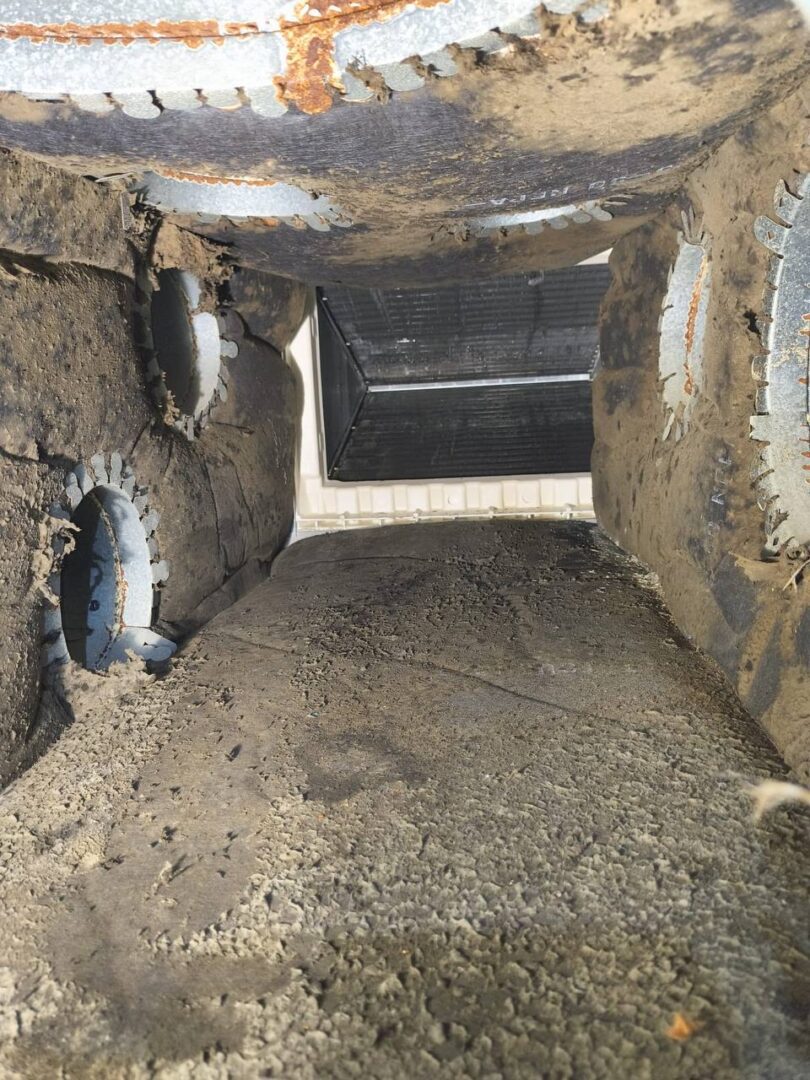
Meta Description: Mold in air ducts Houston homeowners can’t ignore. Learn the warning signs, health risks, and why professional removal is the only safe fix. Free inspection available.
“`json
{
“@context”: “https://schema.org”,
“@graph”: [
{
“@type”: “Article”,
“headline”: “Mold in Air Ducts Houston: Signs, Risks, and Professional Removal”,
“description”: “Mold in air ducts Houston homeowners can’t ignore. Learn the warning signs, health risks, and why professional removal is the only safe fix.”,
“author”: {
“@type”: “Organization”,
“name”: “AH-CHOO! Indoor Air Quality”
},
“publisher”: {
“@type”: “Organization”,
“name”: “AH-CHOO! Indoor Air Quality”,
“url”: “https://ahchooindoorair.com”
},
“mainEntityOfPage”: “https://ahchooindoorair.com/blog/mold-in-air-ducts-houston”
},
{
“@type”: “FAQPage”,
“mainEntity”: [
{
“@type”: “Question”,
“name”: “How do I know if there is mold in my air ducts?”,
“acceptedAnswer”: {
“@type”: “Answer”,
“text”: “Common signs include a musty or earthy odor when the HVAC runs, visible dark spots around vent covers, unexplained allergy-like symptoms indoors, and visible growth inside accessible ductwork. A professional inspection is the only way to confirm mold presence throughout the entire duct system.”
}
},
{
“@type”: “Question”,
“name”: “Is mold in air ducts dangerous?”,
“acceptedAnswer”: {
“@type”: “Answer”,
“text”: “Yes. Mold spores circulating through your ductwork are distributed to every room in your home. Prolonged exposure can cause respiratory irritation, allergic reactions, headaches, and in sensitive individuals, more serious health complications.”
}
},
{
“@type”: “Question”,
“name”: “Can I clean mold from air ducts myself?”,
“acceptedAnswer”: {
“@type”: “Answer”,
“text”: “DIY mold removal in ductwork is not recommended. Without proper containment and equipment, cleaning attempts can release far more spores into your living space than were present before. NADCA-certified professionals use negative air pressure systems to safely contain and remove mold.”
}
},
{
“@type”: “Question”,
“name”: “How long does professional mold remediation in air ducts take?”,
“acceptedAnswer”: {
“@type”: “Answer”,
“text”: “A thorough professional duct cleaning and mold remediation job typically takes around 7 hours. This ensures every section of the duct system is properly accessed, cleaned, and treated — not a rushed surface-level pass.”
}
},
{
“@type”: “Question”,
“name”: “Why is Houston especially prone to mold in ductwork?”,
“acceptedAnswer”: {
“@type”: “Answer”,
“text”: “Houston’s combination of high humidity (often 70–90% relative humidity), extreme summer heat, and frequent cycling of air conditioning systems creates near-perfect conditions for mold growth inside ductwork. Condensation inside ducts adds additional moisture to an already vulnerable environment.”
}
}
]
}
]
}
“`
Houston’s climate is beautiful if you’re a mold spore. Warm temperatures, oppressive humidity, and air conditioning systems that run nearly year-round create conditions that few other cities in America can match for mold growth potential. When those conditions collide with the interior of your ductwork, you end up with a problem that goes far beyond a surface stain on your walls.
Mold inside your air ducts is uniquely dangerous because your HVAC system does exactly what it’s designed to do: distribute air throughout every room in your home. The problem is that when that air passes through mold-contaminated ductwork, it carries spores with it — right into your bedrooms, living areas, and kitchen.
After 38 years of inspecting Houston homes, our NADCA-certified technicians have seen what this city’s climate does to ductwork. The results are never pretty, and they’re never harmless.
Why Houston Ductwork Is a Mold Magnet
Houston’s average relative humidity sits between 75% and 90% during summer months. Mold requires moisture, organic material, and the right temperature range to thrive — and your ductwork checks all three boxes.
The interior surfaces of air ducts collect dust, pollen, pet dander, and skin cells over time. That organic material becomes food for mold when moisture enters the picture. In Houston, moisture enters in two primary ways:
Condensation on duct surfaces: When cold air flows through ducts routed through hot attic spaces or unconditioned areas, the temperature differential causes condensation on the duct walls — particularly on the exterior of flex duct or at connection points where insulation has deteriorated.
Humidity infiltration: Supply and return air in Houston carries significant moisture load. If your system isn’t properly dehumidifying, that humid air passes through your ducts repeatedly, slowly raising the moisture content of dust buildup inside the system.
Warning Signs of Mold in Your Houston Air Ducts
Mold inside ductwork isn’t always visible from a register cover. Many homeowners don’t realize the problem until it’s advanced. Here’s what to watch for:
Musty or Earthy Odors When the System Runs
This is often the first signal. If you notice a musty smell that appears specifically when your air conditioner or heater kicks on, the odor is almost certainly coming from inside the duct system. The smell may dissipate after a few minutes — that’s just because your nose has adjusted, not because the problem is gone.
Visible Dark Staining Around Vent Covers
Discoloration around supply or return vents — particularly dark green, black, or gray staining — can indicate mold growth just inside the opening. Don’t mistake HVAC soot (dark gray dust rings) for mold, but any growth pattern warrants a professional look.
Worsening Allergy or Respiratory Symptoms Indoors
If household members experience sneezing, eye irritation, congestion, or headaches that improve when they leave home, contaminated ductwork may be circulating allergens and mold spores throughout your living space. This is especially concerning for households with children, elderly residents, or anyone with asthma.
Visible Growth Inside Accessible Ducts
In some cases, homeowners can spot mold growth on the inside surfaces of accessible ductwork near the air handler or at register openings. Any visible mold growth is a clear indicator that a thorough professional inspection is needed immediately.
The Health Risks Are Real — and Underestimated
Many Houston homeowners underestimate the health impact of duct mold because they can’t see it. But the science is clear: elevated indoor mold spore counts are associated with a range of adverse health outcomes.
Common symptoms from prolonged mold spore exposure include:
- Chronic nasal congestion and post-nasal drip
- Persistent coughing or throat irritation
- Skin and eye irritation
- Fatigue and headaches
- Aggravated asthma symptoms
For individuals with compromised immune systems, certain mold species — including Stachybotrys (black mold) — can cause significantly more serious health complications. Children’s developing respiratory systems are particularly vulnerable.
The critical point: as long as your HVAC system runs with mold in the ductwork, the problem doesn’t stay contained. Every cubic foot of conditioned air delivered to your home passes through that contaminated system first.
Why DIY Removal Makes Things Worse
When Houston homeowners discover mold in their vents, the instinct is often to grab cleaning supplies and tackle the visible growth. This approach almost always backfires.
Here’s why: mold colonies inside ductwork consist of far more spores than the visible surface suggests. When you physically disturb mold growth without proper containment — negative air pressure, HEPA filtration, full PPE — you release a cloud of spores directly into your duct system and living space. The resulting spore concentration can be orders of magnitude higher than the baseline problem.
NADCA-certified [duct cleaning professionals](/residential-duct-cleaning) use specialized equipment to create negative air pressure within the duct system before any cleaning begins. This draws spores and debris into HEPA-filtered collection units rather than releasing them into your home. It’s the difference between containing the problem and spreading it.
What Professional Mold Remediation in Ductwork Involves
A proper [mold remediation](/mold-remediation) treatment for Houston ductwork isn’t a quick spray-and-wipe job. Our team spends approximately 7 hours on a thorough remediation — because that’s what the work actually requires.
The process includes:
Inspection and documentation: Before any cleaning begins, technicians use camera equipment to inspect accessible ductwork and document the extent of mold growth. This baseline assessment drives the remediation approach.
Containment setup: Negative air pressure is established in the duct system to prevent spore migration during cleaning.
Mechanical cleaning: NADCA-certified technicians use agitation tools combined with high-powered vacuum systems to remove accumulated debris, biofilm, and visible mold colonies from duct surfaces.
Antimicrobial treatment: After physical removal, EPA-registered antimicrobial agents are applied to treated surfaces to address residual mold and inhibit regrowth.
Post-remediation verification: Before completing the job, technicians verify that treatment areas meet cleanliness standards.
Preventing Mold Recurrence in Houston’s Climate
Remediation removes the existing problem. Prevention requires addressing the conditions that allowed mold to develop in the first place.
After a mold remediation, our team will typically recommend:
- Humidity control: Maintaining indoor relative humidity below 60% year-round — ideally 45–55% — dramatically reduces mold growth potential. A properly sized and maintained HVAC system, combined with dedicated dehumidification if needed, is essential.
- Regular duct inspections: Annual inspections, particularly before Houston’s humid season, catch early moisture issues before they become mold problems.
- Duct sealing: Leaky ducts allow humid attic or crawl space air to infiltrate the system. Proper sealing reduces moisture infiltration points.
Our [residential duct cleaning](/residential-duct-cleaning) service includes an assessment of conditions that contribute to mold risk, not just the removal of existing contamination.
Don’t Wait to Schedule an Inspection
Mold in ductwork doesn’t self-resolve. Houston’s humidity means moisture will continue entering your system, and mold colonies will continue expanding until conditions change. The longer you wait, the more extensive the remediation required.
If you’ve noticed any of the warning signs described above — or simply haven’t had your ducts inspected in several years — the next step is straightforward.
[Book your free inspection at crm.ahchooindoorair.com/book](https://crm.ahchooindoorair.com/book)
Our NADCA-certified technicians will assess your ductwork, identify any mold growth or conditions that favor it, and provide a clear picture of what your system needs. No guesswork. No pressure. Just an honest evaluation from a team with 38 years of Houston HVAC experience.
Frequently Asked Questions
How do I know if there is mold in my air ducts?
Common signs include a musty or earthy odor when the HVAC runs, visible dark spots around vent covers, unexplained allergy-like symptoms indoors, and visible growth inside accessible ductwork. A professional inspection is the only way to confirm mold presence throughout the entire duct system.
Is mold in air ducts dangerous?
Yes. Mold spores circulating through your ductwork are distributed to every room in your home. Prolonged exposure can cause respiratory irritation, allergic reactions, headaches, and in sensitive individuals, more serious health complications.
Can I clean mold from air ducts myself?
DIY mold removal in ductwork is not recommended. Without proper containment and equipment, cleaning attempts can release far more spores into your living space than were present before. NADCA-certified professionals use negative air pressure systems to safely contain and remove mold.
How long does professional mold remediation in air ducts take?
A thorough professional duct cleaning and mold remediation job typically takes around 7 hours. This ensures every section of the duct system is properly accessed, cleaned, and treated — not a rushed surface-level pass.
Why is Houston especially prone to mold in ductwork?
Houston’s combination of high humidity (often 70–90% relative humidity), extreme summer heat, and frequent cycling of air conditioning systems creates near-perfect conditions for mold growth inside ductwork. Condensation inside ducts adds additional moisture to an already vulnerable environment.
Also serving nearby: musty smell from air vents
Next step: How to prevent mold in air ducts in Houston — practical strategies for our humidity climate.
Also see: Air duct cleaning for pet owners in Houston — how pet dander and hair accelerate contamination buildup.
Learn more about professional mold remediation in Houston.
Related AH-CHOO resources: Houston air duct cleaning; schedule a free inspection.