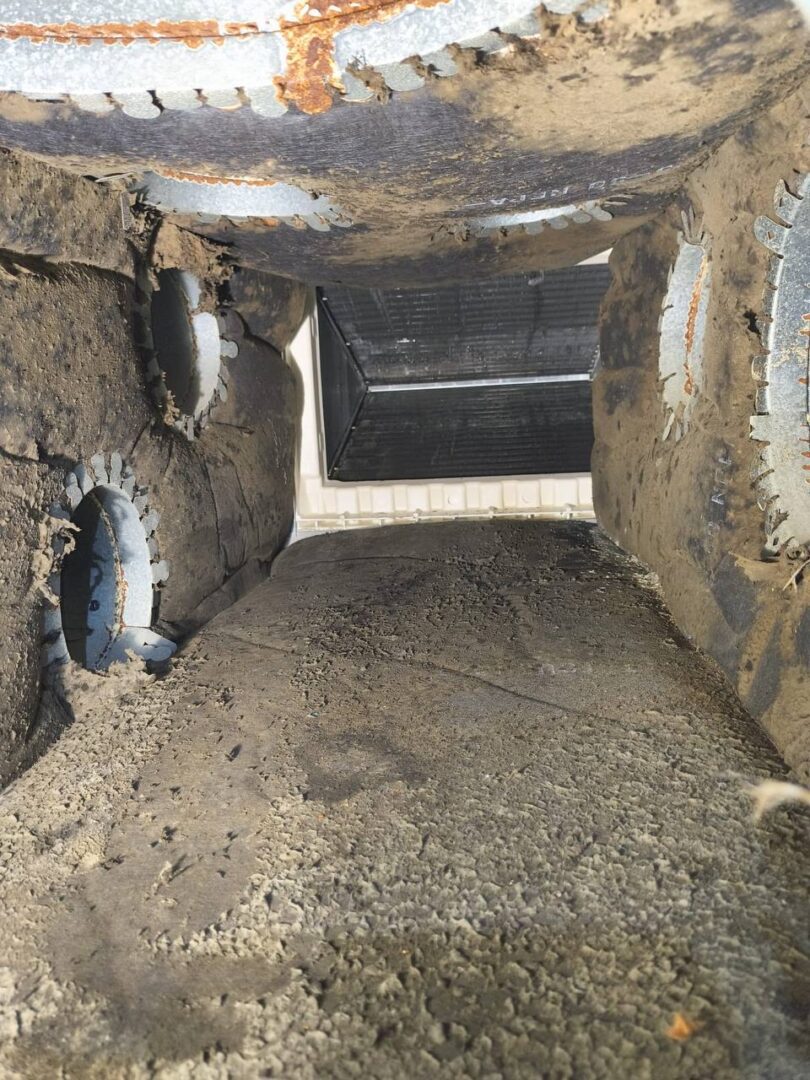
Houston indoor air quality during spring pollen season hits children harder than most parents realize. Kids breathe 20–30 times per minute compared to an adult’s 12–20 — and they spend more time at home during the hours when pollen counts peak. When a Houston HVAC system has accumulated seasons of pollen, mold, and debris inside the ductwork, children are cycling more of that contaminated air per pound of body weight than anyone else in the house.
Why Are Houston Children More Exposed to Spring Pollen Indoors Than Adults?
The common assumption is that keeping children indoors during high-pollen days protects them. That’s true — for outdoor exposure. Indoors is a different picture if the HVAC system is circulating contaminated air on every run cycle.
Houston’s spring allergy calendar runs from March through June, stacking pollen types sequentially: oak and elm dominate March and April, then pecan and grass pollen arrive in May and June. By late March, a Houston HVAC system that hasn’t been professionally cleaned has accumulated multiple seasons of pollen residue on its interior surfaces.
Children are more affected by this for two reasons:
- Higher breathing rate: Children breathe 20–30 times per minute. Adults breathe 12–20 times per minute. Per hour indoors, a child cycles significantly more air — and whatever is in it — than an adult in the same room.
- More time at home: During spring break, after school, and on weekends during peak pollen season, children are home while working adults are not. They spend more of their day in the rooms those contaminated air ducts supply.
The result: your child may be getting a higher dose of recirculated indoor pollen than you are, even in the same house, even following all the standard allergy precautions.
What Every Houston Spring Allergy Checklist Tells You — And What It Leaves Out
The advice in every Houston spring allergy guide for families is consistent:
- Change HVAC filters every 1–3 months during pollen season
- Keep windows closed during high-pollen days
- Have kids shower after outdoor play
- Consider an air purifier or UV light for the home
- Monitor the Houston Health Department’s daily pollen and mold reports at houstonhealth.org
All of this is good advice. None of it addresses what is already inside the duct system.
Filters capture particles in the active airstream — they don’t clean the duct walls, the blower wheel fins, the evaporator coil surface, or the air handler interior. UV purifiers treat air as it passes through the system — they don’t remove the physical buildup that re-enters the airstream on every run. By the time you’re changing filters and running air purifiers, the blower wheel may be coated with a season or more of pollen residue that gets disturbed and redistributed every time the system cycles on.
That’s the step the checklist skips: addressing the contamination that’s already inside the system, not just what’s coming in.
What’s Actually Inside Houston HVAC Ductwork This Spring?
A Houston HVAC system that hasn’t been professionally cleaned since last year — or longer — is carrying the cumulative load of multiple pollen seasons. By late March, interior duct surfaces hold:
- Cedar pollen residue from December through February — fine, sticky particles that coat blower wheel fins and duct walls
- Early oak pollen from the first weeks of March — now layering on top of existing cedar residue
- Dust and biological debris that accumulate in Houston’s humid environment year-round
- Mold spores triggered by spring humidity events, using pollen residue on duct surfaces as an organic growth substrate
Each time the system runs, the blower re-suspends the lighter particles from these accumulated layers. They travel through the supply side and emerge from the registers — directly into the rooms where your children sleep, play, and do homework.
This is why Houston families with children who have asthma or allergies often report that indoor symptoms don’t improve even when outdoor pollen counts are moderate. The exposure isn’t coming from outside anymore. It’s coming from the system.
Related: Houston spring pollen and indoor air quality | Why spring rain makes Houston HVAC mold risk worse
What a NADCA-Standard Cleaning Removes for Houston Families
A NADCA-standard duct cleaning is source-removal cleaning — it physically extracts contamination from duct surfaces, not just the airstream. It is not a vent vacuuming or an air sweep.
AH-CHOO! Indoor Air Quality has been NADCA certified for 38 years. Every Houston job is a dedicated full-day service — approximately seven hours — covering the complete interior system:
- All supply and return ductwork
- The blower wheel and air handler interior (where pollen accumulation is heaviest)
- Evaporator coil area
- All registers and grilles
One job per day, per crew. That’s the standard a thorough source-removal cleaning requires. A crew running three jobs in a day is not spending adequate time on the mechanical components — and those components are where seasonal pollen concentrates most densely.
For Houston families with children who have documented allergies or asthma, cleaning the duct system before or during the peak spring pollen window is the single highest-impact HVAC action of the year.
Also see: What blower wheel cleaning covers — and why it matters | Is duct cleaning worth it in Houston during spring allergy season?
Frequently Asked Questions
Does duct cleaning actually help children’s spring allergies in Houston?
For Houston children with allergies or asthma, professional NADCA-standard duct cleaning removes accumulated pollen, mold spores, and biological debris from the interior duct system — stopping the recirculation loop that delivers contaminants into living spaces on every HVAC run cycle. A filter or UV purifier treats air in the active stream; duct cleaning removes what’s already deposited on blower wheel fins, duct walls, and the air handler interior.
How does spring pollen get into Houston HVAC ducts in the first place?
Pollen enters through return air grilles, gaps in duct connections, and any point where outdoor air infiltrates the building. Once inside, particles settle on cool interior surfaces — the blower wheel, duct walls, and evaporator coil. Each run cycle re-suspends settled particles, distributing them through the supply side into living spaces.
What’s the difference between a UV light purifier and duct cleaning for children’s indoor air quality?
UV purifiers treat air as it flows through the HVAC system — they can inactivate certain airborne pathogens in the active airstream. They do not remove accumulated pollen, dust, or biological matter from duct surfaces or the blower wheel. Duct cleaning physically extracts that accumulated material. Both can be part of a healthy IAQ strategy, but they address different problems: UV treats what’s flowing; cleaning removes what’s settled.
When is the right time to schedule duct cleaning for a Houston home with kids?
Before peak pollen season is ideal — late February or early March, before the system accumulates the heaviest oak and grass pollen loads. If that window has passed, during or immediately after peak season is the next-best option, removing the current season’s buildup before Houston’s summer humidity creates conditions for biological growth in the contaminated ductwork. A free inspection can confirm what’s actually inside your system.
How often should Houston homeowners with children clean their air ducts?
For homes with allergy- or asthma-sensitive children, Houston’s combination of year-round pollen, high humidity, and long HVAC run seasons means systems accumulate contamination faster than in dryer climates. Many Houston families with allergy-sensitive children schedule a professional cleaning every 2–3 years, or following significant pollen events or water intrusion. A NADCA inspector can assess whether your system’s current buildup warrants cleaning now.
AH-CHOO! Indoor Air Quality is NADCA certified and has served Houston families for 38 years. Contact us for a free inspection.
Related AH-CHOO resources: Houston air duct cleaning; schedule a free inspection.