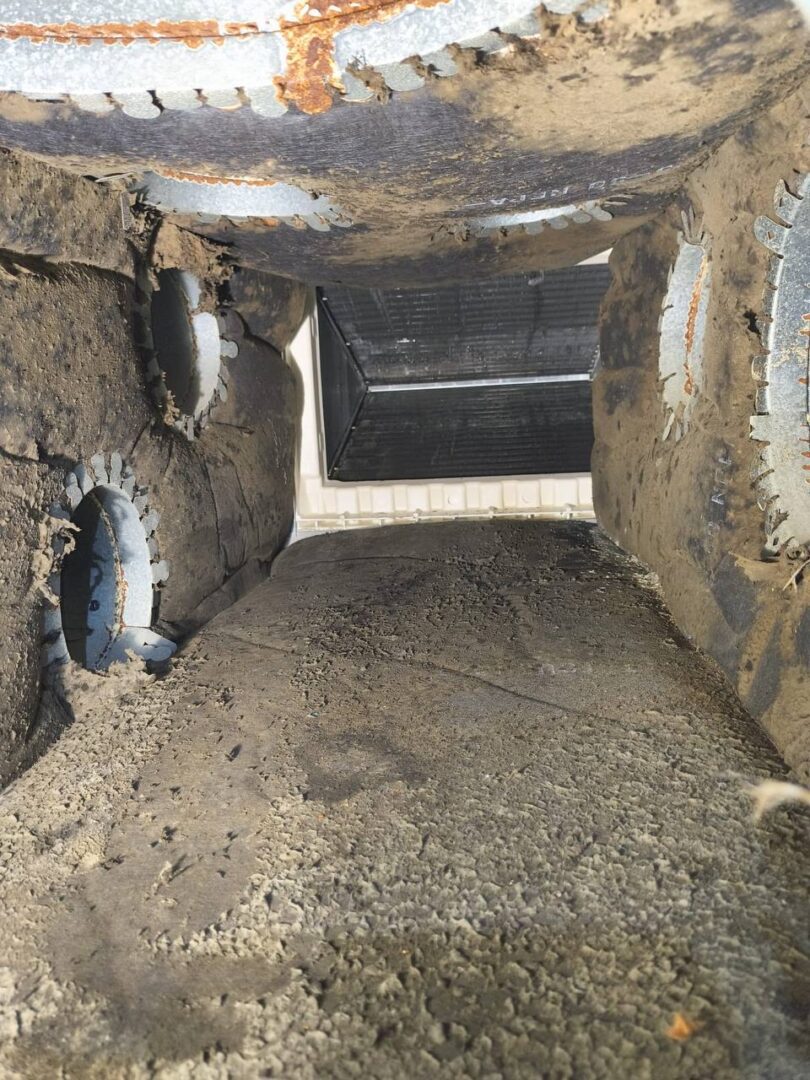
Cypress TX air duct cleaning becomes a high-priority task every spring, when oak, pecan, and Bermuda grass pollen saturate the northwest Houston atmosphere and get pulled directly into your HVAC system with every run cycle. For Cypress homeowners who’ve been through the cedar fever season and are now heading into the March–June pollen peak, the ductwork is accumulating fast — and a filter alone isn’t enough to stop it.
Why Is Spring Allergy Season So Severe in Cypress, TX?
Cypress sits in the northwest Houston corridor — the same humid subtropical climate as central Houston, but with heavier tree canopy and more residential green space than the inner loop. That matters for pollen load. The neighborhood’s mix of mature oak, pecan, elm, and ash trees creates a dense local pollen source that compounds the regional atmospheric count.
Spring in Cypress means a sequential pollen onslaught:
- March–April: Oak and elm pollen peak — tree species that dominate Cypress’s residential streets and greenbelts
- April–May: Pecan and ash pollen layer in — both common in northwest Houston landscaping
- May–June: Bermuda and other grass pollens arrive as temperatures climb — fine particles that pass through standard HVAC filters easily
Each of these arrives before the previous one has fully cleared. By late April, Cypress HVAC systems are filtering against multiple concurrent pollen types — a scenario that accelerates duct accumulation and puts disproportionate strain on filters.
How Spring Pollen Moves Into Cypress HVAC Systems
The same system that heats and cools your Cypress home is continuously drawing air from the indoor environment. In a typical home, the return system pulls air from living areas, hallways, and any point where outdoor air has infiltrated — through doors, windows, and any gaps in the building envelope. Every particle that makes it inside eventually passes through the return air stream.
What gets captured there stays there. Filters intercept particles in the active airstream, but they don’t clean the duct walls, the blower wheel, the air handler interior, or the evaporator coil — all surfaces where pollen and biological matter accumulate over months and seasons. Once pollen settles on these surfaces, it re-enters the airstream each time the blower runs, contributing to the indoor pollen load even on low-count days outdoors.
This is why Cypress allergy sufferers often find their symptoms don’t improve as much as expected when staying indoors — the indoor air is cycling through a contaminated system on every run.
What a Spring Duct Cleaning Actually Addresses
A NADCA-standard duct cleaning is a full-system interior service, not a vent vacuuming. There’s an important distinction — and it matters for allergy sufferers in Cypress specifically.
The components that accumulate the most pollen and biological matter during spring season are not the supply registers. They’re the blower wheel (which moves all the air in your system), the air handler interior, and the evaporator coil area. These surfaces run continuously during pollen season and collect a corresponding volume of particulate. A cleaning that skips these mechanical components hasn’t addressed where the problem concentrates.
AH-CHOO! Indoor Air Quality has been NADCA certified for 38 years. Every Cypress job is a full-day service — approximately seven hours — covering:
- All supply and return ductwork
- Blower wheel and air handler interior
- Evaporator coil area
- All registers and grilles
One job per day, per crew. That standard exists because a thorough source-removal cleaning of a full residential system cannot be completed in an hour or two — and any company claiming otherwise is leaving contamination behind in the components that matter most.
Related: What blower wheel cleaning covers — and why most companies skip it
Signs Your Cypress HVAC Is Struggling This Spring
Pollen accumulation in ductwork doesn’t always announce itself obviously. Watch for these indicators during peak spring season:
- Allergy symptoms worse indoors than outside — the system is recirculating what’s already accumulated
- Dust or debris visible on supply registers — surface buildup is a sign of what’s deeper inside
- Filter clogging significantly faster than usual — high-volume pollen load is overwhelming filter capacity
- Musty odor when the system first kicks on — spring humidity combined with pollen residue creates biological growth conditions
- Reduced airflow from vents — blower wheel accumulation reduces output volume over time
Cypress’s humidity levels in spring — frequently above 70% during March and April mornings — create conditions where pollen residue in ducts can seed mold and bacterial growth if not removed. Duct cleaning addresses the contamination before it compounds into a biological issue.
Timing a Duct Cleaning Around Spring Allergy Season in Cypress
The optimal window is before peak pollen — late February or early March — so the system enters peak season clean. The second-best window is during or immediately after peak, removing the current season’s accumulation before Cypress’s humid summer creates conditions for biological growth in contaminated ducts.
A free inspection can confirm what’s actually inside the system and whether the blower wheel and air handler have enough accumulation to warrant a full cleaning now.
Also see: Pearland TX duct cleaning and spring allergies | Sugar Land spring pollen and HVAC
Frequently Asked Questions
When is spring allergy season worst in Cypress TX?
March through June is the core spring allergy window in Cypress. Oak and elm pollen peak in March and April, followed by pecan and ash in April and May, then Bermuda grass from May through June. By late April, multiple pollen types are active simultaneously, creating the heaviest load of the year for Cypress HVAC systems.
Does duct cleaning actually help with spring allergies in Cypress?
A full NADCA-standard cleaning — including the blower wheel, air handler, and all ductwork — removes accumulated pollen, dust, and biological matter that your system recirculates on every run cycle. The relief comes from stopping the recirculation of what’s already inside, not just from filtering new incoming air. A vent vacuuming that skips the mechanical components provides much less benefit.
Why do my allergies feel worse indoors in spring?
If your indoor allergy symptoms are comparable to or worse than outdoors during peak pollen season, it’s often because the HVAC duct system has accumulated several seasons of pollen, dust, and biological matter. Each run cycle re-suspends settled particles into the airstream. Duct cleaning stops that recirculation loop.
How long does a duct cleaning take for a Cypress home?
A complete NADCA-standard residential duct cleaning takes approximately seven hours. Services that quote two hours or less are not performing source-removal cleaning of the full system — they’re skipping the mechanical components where accumulation concentrates most heavily.
Does AH-CHOO! serve Cypress TX?
Yes. AH-CHOO! Indoor Air Quality serves Cypress and the greater northwest Houston area. We are NADCA certified with 38 years of experience. Contact us for a free inspection.
AH-CHOO! Indoor Air Quality is NADCA certified and serves Cypress TX and the greater Houston area. Contact us for a free inspection.
Related AH-CHOO resources: Houston air duct cleaning; schedule a free inspection.