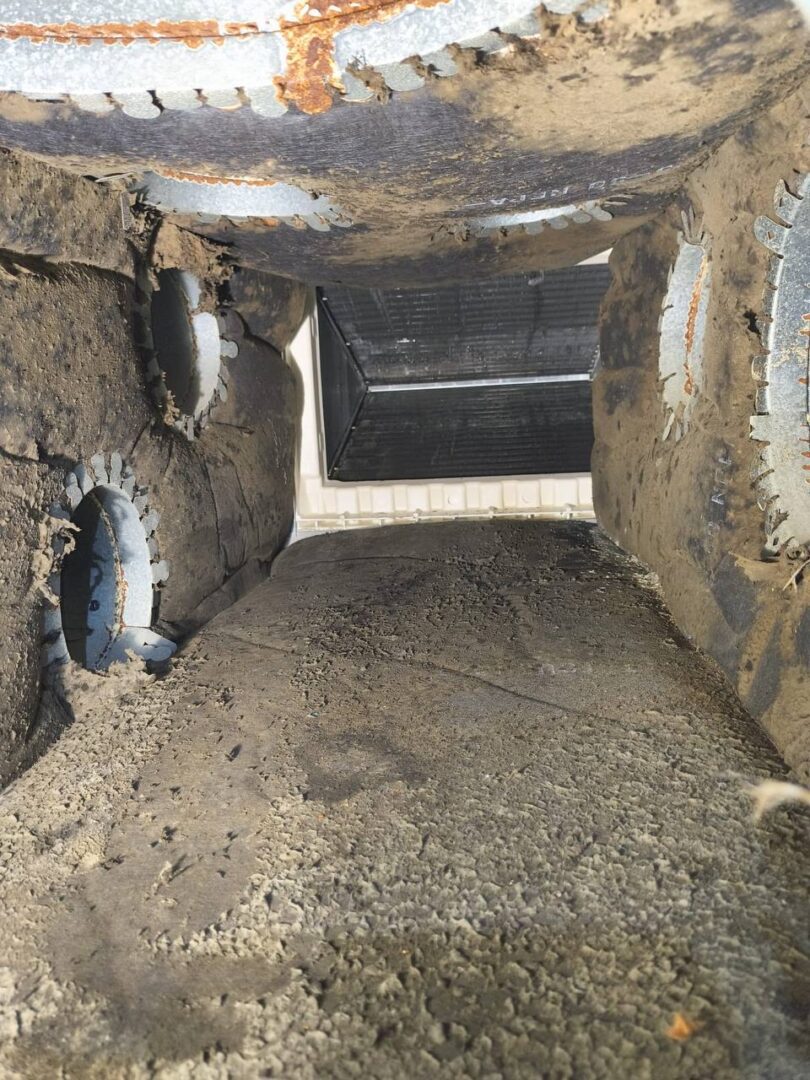
Sugar Land air duct cleaning for spring pollen is one of the most overlooked steps in seasonal HVAC maintenance for Fort Bend County homeowners. Pollen.com and IQAir both actively track Sugar Land pollen levels, and the spring window from late February through May routinely brings elevated counts of oak, elm, and ash pollen across the region — all of which enter homes through the HVAC system.
Why Sugar Land Spring Pollen Becomes an HVAC Problem
Sugar Land sits in Fort Bend County, which shares the same regional tree-pollen zone as the broader Houston metro. Spring in Sugar Land means multiple active pollen types arriving in sequence:
- Oak pollen — dominant from late February through April, the most potent tree allergen in the region
- Elm and ash pollen — overlap through March, often compounding oak symptoms
- Grass pollen — begins in April and continues through summer months
When outdoor pollen counts are elevated, HVAC systems in Sugar Land homes become collection points. Every cubic foot of return air pulled through the system carries suspended particles from inside the home, including pollen that entered through doors, windows, clothing, and infiltration gaps. That pollen settles in return ducts, on the filter, and — for particles fine enough to bypass the filter — on the blower wheel, evaporator coil housing, and supply duct surfaces.
The result is a system that actively recirculates spring allergens each time the AC runs. For families with allergy sufferers in the household, this cycle can keep indoor symptoms elevated long after outdoor pollen counts begin to fall.
What Accumulates in Sugar Land HVAC Ducts During Spring
The spring pollen season adds to whatever has built up in the duct system from previous seasons. A Sugar Land home that has not had full-system cleaning in three or more years is likely carrying:
1. Accumulated pollen from prior springs — older, drier particles that become re-airborne under airflow 2. Fine dust and debris settled throughout the duct network 3. Pet dander from households with animals 4. Mold spores that thrive in humid duct environments during Sugar Land’s warm months 5. Residue from any renovation work completed since the last cleaning
None of this leaves the system on its own. Replacing the filter helps capture new particles at the intake, but it does not remove what has already penetrated deeper into the system.
Signs Your Sugar Land HVAC Is Circulating Pollen
Several patterns suggest the duct system is contributing to indoor allergy symptoms rather than filtered air:
- Symptoms that increase when the AC kicks on — the clearest sign; the system is redistributing what it has collected
- Vents that re-dust quickly after cleaning — surface dust is being pushed from inside the system
- Heavier-than-expected filter loading during March and April — high particle volume passing through indicates significant external pollen pressure
- Musty or stale smell when the system starts — biological material in the duct system releasing as air moves through
- Allergy symptoms that seem disproportionate to outdoor exposure — indoor accumulation amplifying what would otherwise be manageable outdoor exposure
If any of these patterns are familiar, the duct system is likely part of the problem — not just the outdoor air.
What a Full-System Clean Addresses in a Sugar Land Home
Changing the filter is a necessary habit during spring, but it addresses intake only. A full-system cleaning reaches the components where pollen accumulates after it bypasses or loads the filter:
The supply and return duct network carries air throughout the home and accumulates particles in bends, joints, and horizontal runs. The blower wheel spins continuously and collects fine material that sticks to its fins. The evaporator coil housing traps particles in the moist environment around the coil. Register boots and grilles collect visible debris at the point where air enters rooms.
AH-CHOO! Indoor Air Quality is NADCA certified and has served the Houston metro — including Sugar Land and Fort Bend County — for 38 years. A proper residential full-system clean takes approximately seven hours and covers the entire pathway air travels through the home. We complete one full job per day, which is why the cleaning is thorough rather than rushed.
For more on what spring pollen does once it enters a Houston-area HVAC system, see how Houston’s outdoor air pollution gets inside your home and what spring pollen and ozone do to indoor air quality in the region.
How Sugar Land Homeowners Can Reduce Pollen Buildup Between Cleanings
Between professional cleanings, consistent habits reduce the rate of new accumulation during spring:
- Inspect and replace filters every two to three weeks from late February through May
- Keep doors and windows closed during peak morning pollen hours
- Run the fan setting only when needed rather than continuously during high-pollen days
- Wipe down supply and return register grilles monthly during spring
- Schedule a free inspection if indoor symptoms persist after a filter change
These steps slow accumulation; they do not reverse what has already settled into the system over prior seasons.
Frequently Asked Questions
Does duct cleaning help with spring allergies in Sugar Land? Yes, when the HVAC system has accumulated pollen and allergens from prior seasons. A full-system clean removes what the system has been collecting and recirculating, so it is moving filtered air rather than stored debris.
What spring pollens affect Sugar Land, TX? Oak pollen is the dominant spring allergen, peaking from late February through April. Elm and ash overlap through March, and grass pollen begins in April. Fort Bend County sits within the same regional pollen zone as the broader Houston metro.
How do I know if my Sugar Land ducts are making allergies worse? The clearest sign is allergy or respiratory symptoms that worsen immediately when the AC starts. Other indicators include fast filter loading, vents that re-dust quickly, and a musty smell when the system runs.
What does a full-system HVAC cleaning include? Supply and return ducts, blower wheel and compartment, evaporator coil housing, register boots, and branch connections. A NADCA-certified full-system clean takes approximately seven hours — one complete job per day.
How often should Sugar Land homeowners schedule duct cleaning? Every three to five years for most homes, though households with pets, allergy sufferers, or recent renovation work may benefit from more frequent service. A free inspection confirms whether buildup is at a level that warrants cleaning.
Start With a Free Inspection Before Peak Pollen Season Peaks
Spring pollen season in Sugar Land is already underway. If indoor allergy symptoms are persisting despite filter changes, the duct system may be carrying accumulated pollen from multiple prior seasons.
AH-CHOO! Indoor Air Quality is NADCA certified, has served the Houston metro for 38 years, and offers free inspections so you can confirm what is actually inside your system.
For related reading on how spring contaminants affect HVAC performance across the Houston metro, see whether duct cleaning is worth it in Houston’s specific climate conditions.
Schedule your free inspection →
Related AH-CHOO resources: Houston air duct cleaning; schedule a free inspection.