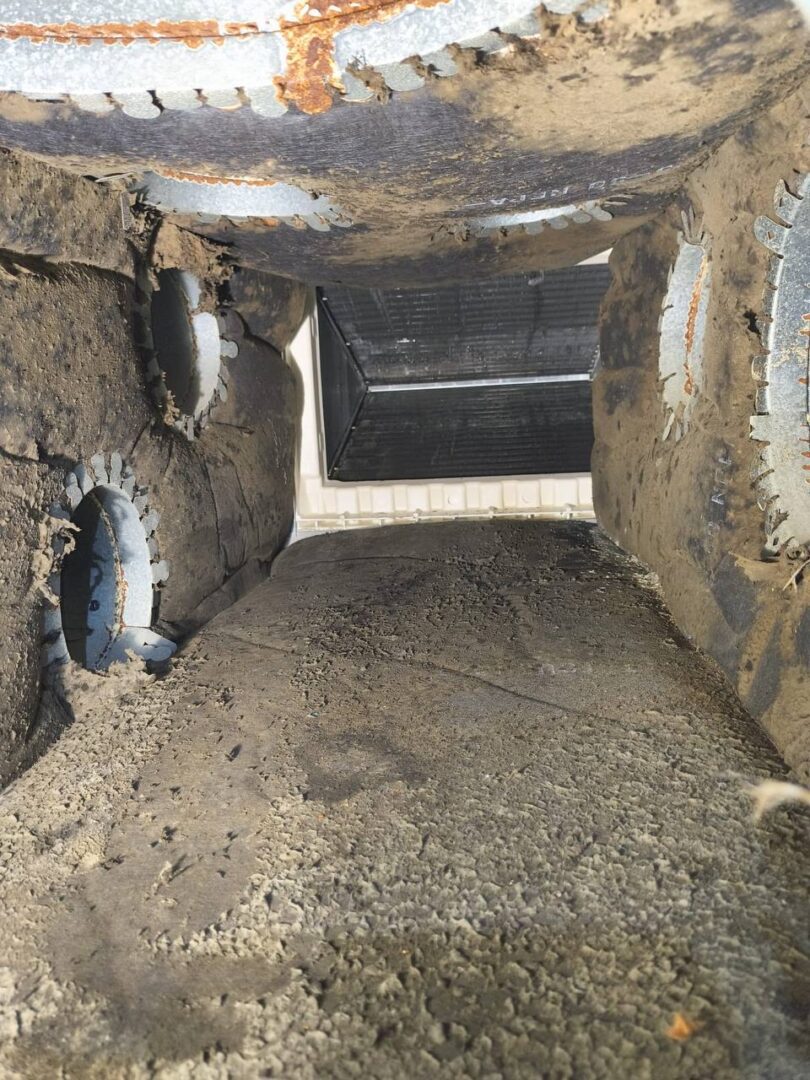
Pearland TX duct cleaning for spring allergies is a timely concern because March through May brings peak oak, elm, and ash pollen to Brazoria County — and once that pollen enters your home through the HVAC return, it does not leave on its own.
Pearland is in the heart of the Houston metro allergy corridor. The Houston Chronicle has documented that Pearland-area pharmacy traffic surges every spring as residents respond to heavy local pollen counts. What most Pearland homeowners do not realize is that the HVAC system is actively pulling that outdoor pollen indoors, trapping it in the duct system, and recirculating it throughout the house every time the AC runs.
Why Pearland Spring Allergies Hit Harder Indoors
Pearland’s location in Fort Bend and Brazoria counties puts it directly in the regional tree-pollen zone that affects the entire Houston metro. Oak pollen peaks from late February through April; elm and ash overlap through March. Grass pollen begins in April and extends through summer.
For a Pearland homeowner, this means:
- Multiple pollen types are active simultaneously from late February through May
- The HVAC system is ramping back up just as pollen counts reach their highest point
- Homes stay closed with windows shut against pollen, driving more air through the HVAC rather than ventilating naturally
- Humidity in Brazoria County remains high year-round, which makes pollen particles stick inside ducts and on HVAC components
When the system pulls return air from inside the home, it captures pollen that has settled on floors, furniture, and registers. That pollen moves into the return ducts, hits the filter, and anything that passes through continues into the blower compartment, coil, and supply duct network.
What Builds Up in Pearland HVAC Systems During Spring
The duct system does not only carry conditioned air. During spring pollen season in Pearland, it becomes a collection point for:
1. Oak and tree pollen entering through return vents and infiltration points 2. Fine dust and debris already accumulated from the previous season 3. Pet dander circulating in homes with pets 4. Mold spores that find purchase in the moisture-rich duct environment 5. Residue from previous seasons that was never fully removed
Once these materials accumulate, they continue circulating. A household running the AC eight to ten hours per day during Pearland’s long cooling season is moving air through this accumulated debris continuously.
This is why many Pearland families notice that indoor allergy symptoms persist long after outdoor pollen counts begin to drop — the HVAC system has built up a seasonal reservoir that keeps releasing what it collected.
Signs Your Pearland HVAC System Is Worsening Spring Allergies
Not every allergy episode is caused by the duct system. But certain patterns strongly suggest the HVAC is contributing:
- Symptoms that worsen or spike immediately when the AC starts
- Visible dust around supply registers shortly after cleaning them
- Filters loading faster than expected during March and April
- A stale or musty odor when air starts moving through the system
- Family members with known allergies reacting more severely indoors than outdoors
These patterns point to a system that is redistributing what it has collected rather than simply circulating clean conditioned air.
How Duct Cleaning Addresses Spring Allergy Buildup in Pearland
Professional full-system duct cleaning removes the accumulated pollen, dust, and debris that the HVAC has been collecting and recirculating. This is different from a filter change, which only addresses what the filter can catch on its own. A filter that is not replaced frequently during peak pollen weeks allows finer particles to bypass it entirely and accumulate deeper in the system.
AH-CHOO! Indoor Air Quality is NADCA certified and has served the Houston metro — including Pearland and Brazoria County — for 38 years. A proper full-system residential cleaning takes approximately seven hours and covers:
- Supply duct runs throughout the home
- Return ducts and register boots
- Blower wheel and blower compartment
- Evaporator coil housing
- Branch connections and grilles
We complete one full-system job per day. That commitment to a single complete clean, rather than rushing multiple jobs, is what separates a real cleaning from a surface pass.
For more on how pollen and outdoor air pollution make their way into Houston-area HVAC systems, see how Houston’s outdoor air pollution gets inside your home and what spring pollen and ozone do to indoor air quality.
What Pearland Homeowners Can Do Between Professional Cleanings
Professional duct cleaning removes what has already accumulated, but maintaining that improvement through peak pollen season requires ongoing habits:
- Check filters every two to three weeks during March through May rather than on a standard monthly schedule
- Keep doors and windows closed during peak pollen mornings (typically before noon)
- Wipe down visible register grilles to prevent surface buildup from re-entering the system
- Watch for recurrence of symptoms as a signal that the filter needs changing
- Schedule a free inspection if symptoms return consistently after a filter change
These habits reduce the rate of new accumulation but do not replace removing what has already built up through multiple prior seasons.
Frequently Asked Questions
Does duct cleaning help with spring allergies in Pearland? Yes, when the HVAC system has accumulated pollen, dust, and allergens from prior seasons. Cleaning removes what the system has been recirculating so that it is distributing filtered, conditioned air rather than stored debris.
What pollen is active in Pearland during spring? Oak pollen is the dominant spring allergen in Pearland and the broader Houston metro, peaking from late February through April. Elm and ash overlap through March, and grass pollen begins in April. Multiple types are active simultaneously during peak spring weeks.
How do I know if my Pearland HVAC is making allergies worse? The clearest sign is symptoms that get worse when the AC starts. Additional indicators include fast filter loading, visible dust around supply vents, and stale or musty air when the system runs.
How often should Pearland homeowners clean their ducts? Every three to five years is a general guideline, but homes with pets, allergy sufferers, or recent renovation work often benefit from more frequent cleaning. A free inspection is the best way to determine whether buildup is at a level that warrants service.
What does a full-system HVAC cleaning include? Supply ducts, return ducts, blower wheel and compartment, evaporator coil housing, register boots, and branch connections. At AH-CHOO!, a full-system clean takes approximately seven hours and is performed by NADCA-certified technicians.
Schedule a Free Inspection Before Peak Pollen Week
Pearland’s spring allergy season is already underway. If your household experiences recurring indoor symptoms during March and April — especially when the HVAC is running — the duct system may be carrying more than conditioned air.
AH-CHOO! Indoor Air Quality is NADCA certified, has served the Houston metro for 38 years, and offers free inspections so you can see what is actually inside your system before deciding on service.
For related reading on how spring contaminants affect HVAC systems across the Houston metro, see whether duct cleaning is worth it in Houston’s specific climate.
Schedule your free inspection →
Related AH-CHOO resources: Houston air duct cleaning; schedule a free inspection.