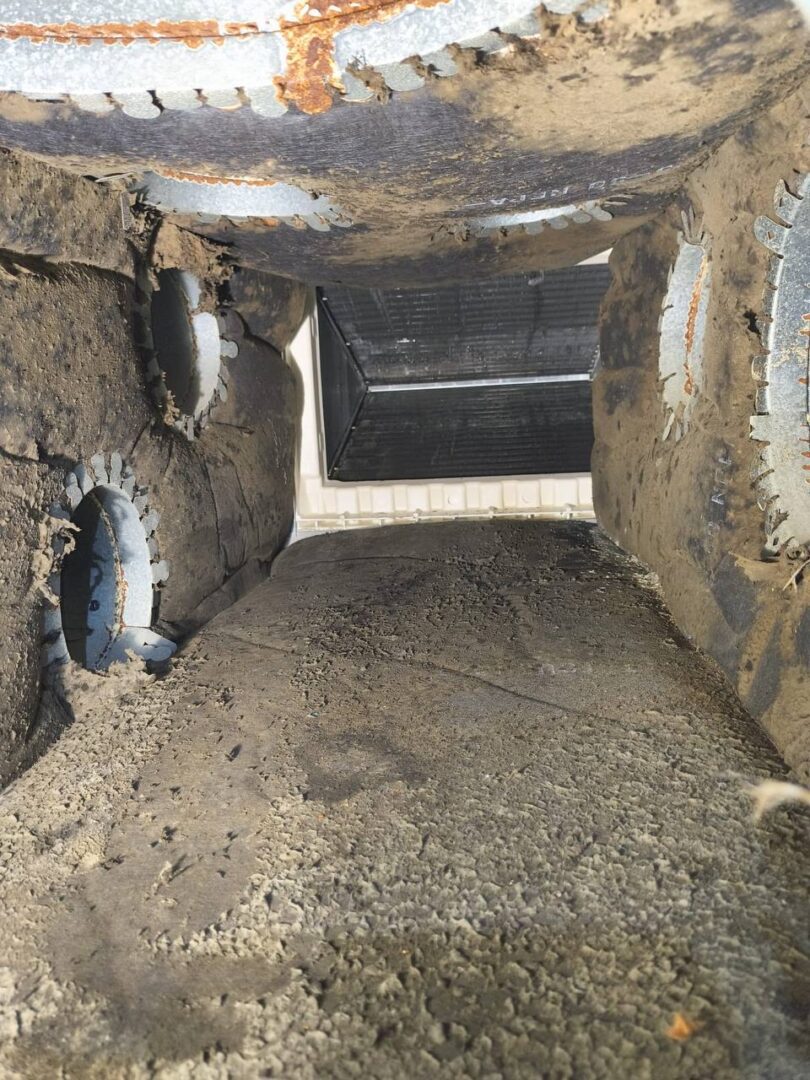
Gulf coast humidity and air duct mold risk go hand in hand—and if you live along the Texas, Louisiana, or coastal territories, you’re dealing with moisture levels that create the perfect breeding ground for mold inside your HVAC system. The warm, wet climate of the Gulf Coast isn’t just uncomfortable; it’s actively feeding mold colonies in the spaces where air moves through your home or business.
This guide walks you through exactly what’s happening in your ducts, why the Gulf Coast’s humidity accelerates mold growth, and how professional cleaning stops it before it becomes a health problem.
## Why Gulf Coast Humidity Creates Air Duct Mold Risk
The Gulf Coast climate is defined by high humidity—often 70-90% year-round. Your air conditioning system works hard to cool air, but that process also pulls moisture from the air. When that moisture accumulates inside your ducts instead of draining properly, you’re creating the exact conditions mold loves: darkness, moisture, and stagnant air.
Mold doesn’t need sunlight. It doesn’t need much food. It needs moisture and temperature stability—both of which your HVAC system provides in abundance once it’s contaminated.
## How Moisture Gets Trapped in Your Ducts
The danger isn’t just humidity in the air. Moisture enters your ductwork through multiple pathways:
– Condensation buildup: Your AC cools air rapidly. If duct insulation is damaged or missing, condensation forms on duct walls and never fully drains.
– Leaking ducts: Disconnected or cracked ductwork pulls warm, humid air directly in from your attic or crawlspace.
– Inadequate drainage: Condensate pans designed to catch moisture become clogged or mis-pitched, allowing water to pool inside the HVAC unit and travel into ducts.
– Post-flood damage: After storms or flooding, water infiltration into ductwork is almost guaranteed unless the system is immediately cleaned and dried.
Once moisture settles, mold colonies establish within days. By the time you smell it, you’re breathing spores into your lungs every time the system cycles.
## Signs of Mold in Your Gulf Coast HVAC System
Don’t wait for visible growth. Mold inside ducts often stays hidden until it’s already spread. Watch for these warning signs:
– A musty, earthy smell coming from vents when the system runs
– Black or green streaks inside ductwork (visible at registers)
– Increased allergy symptoms, asthma flare-ups, or respiratory irritation
– Visible moisture or condensation around AC units or ductwork
– Discoloration around supply vents or return grilles
– Recent water intrusion from flooding or heavy rain
Gulf Coast residents often confuse mold symptoms with seasonal allergies—until they realize the problem is year-round and getting worse.
## Why Professional Air Duct Cleaning Prevents and Removes Mold
DIY or “budget” duct cleaning doesn’t address the root problem. Mold remediation requires:
– Complete duct access: Your entire ductwork must be cleaned, not just the visible sections. Mold spreads through the entire system.
– Moisture removal: After cleaning, ducts must be dried thoroughly. Residual moisture means mold returns in weeks.
– Source diagnosis: A professional identifies why moisture is accumulating—leaks, condensation issues, or drainage problems—and recommends fixes.
– NADCA standards: AH-CHOO! Indoor Air Quality follows NADCA (National Air Duct Cleaners Association) protocols, ensuring your ducts are cleaned to industry standards, not guesswork.
AH-CHOO! brings 38 years of expertise to Gulf Coast air quality. Our team performs one comprehensive job per day—no rushing, no shortcuts—delivering a 7-hour full system clean that includes visual inspection, documentation with before-and-after photos, and a detailed report of what we found and fixed. We’re NADCA certified, which means we’re trained to spot and remove mold, not just dust.
## Post-Flood Duct Cleaning: A Gulf Coast Priority
If your area experienced flooding or water intrusion, your ducts are at extreme risk. Water that enters ductwork creates massive mold growth within 24-48 hours. Waiting “to see if there’s a problem” is expensive—by then, mold has colonized your entire system.
Post-flood duct cleaning isn’t optional for Gulf Coast homes and businesses. It’s essential damage control. Many insurance claims cover professional HVAC cleaning and mold remediation when documented properly.
## Protecting Your Ducts Long-Term in High-Humidity Climates
Prevention is cheaper than remediation. After professional cleaning, protect your system with:
– Regular AC filter changes: Clogged filters reduce airflow and create moisture pockets.
– Duct sealing: Leaks pull humid air in. Sealing stops that before it starts.
– Condensate drain maintenance: Ensure your AC’s drainage pan is clean and pitched correctly.
– Duct insulation: Proper insulation prevents condensation on duct surfaces.
– Humidity control: Use a dehumidifier in high-moisture areas, especially basements and crawlspaces where ducts are exposed.
For Gulf Coast properties, an annual duct cleaning inspection is a smart investment. It catches moisture buildup and early mold before they become major problems.
## Take Action: Schedule Your Free Inspection
Gulf coast humidity and air duct mold risk aren’t something to ignore. If you’re in Texas, Louisiana, or the coastal Gulf region, mold in your ducts is a real and growing threat. The longer you wait, the more spores you breathe and the more expensive the remediation becomes.
Contact AH-CHOO! Indoor Air Quality today for a free inspection. Our NADCA certified team will assess your ductwork, identify any moisture or mold risk, and show you exactly what’s happening inside your system with photos and documentation. No pressure, no guessing—just expert diagnosis and proven solutions.
Your family’s air quality is too important to leave to chance. Let’s protect your ducts today.
Houston’s humidity problem is compounded by its air quality ranking — read why Houston’s 7th-worst ozone ranking affects what builds up in your ducts.
Related: why Houston spring rain makes HVAC mold risk worse | signs of mold in Houston air ducts | free inspection
Related AH-CHOO resources: commercial air duct cleaning; schedule a free inspection; how often to clean air ducts in Texas.
Learn more about mold remediation services.