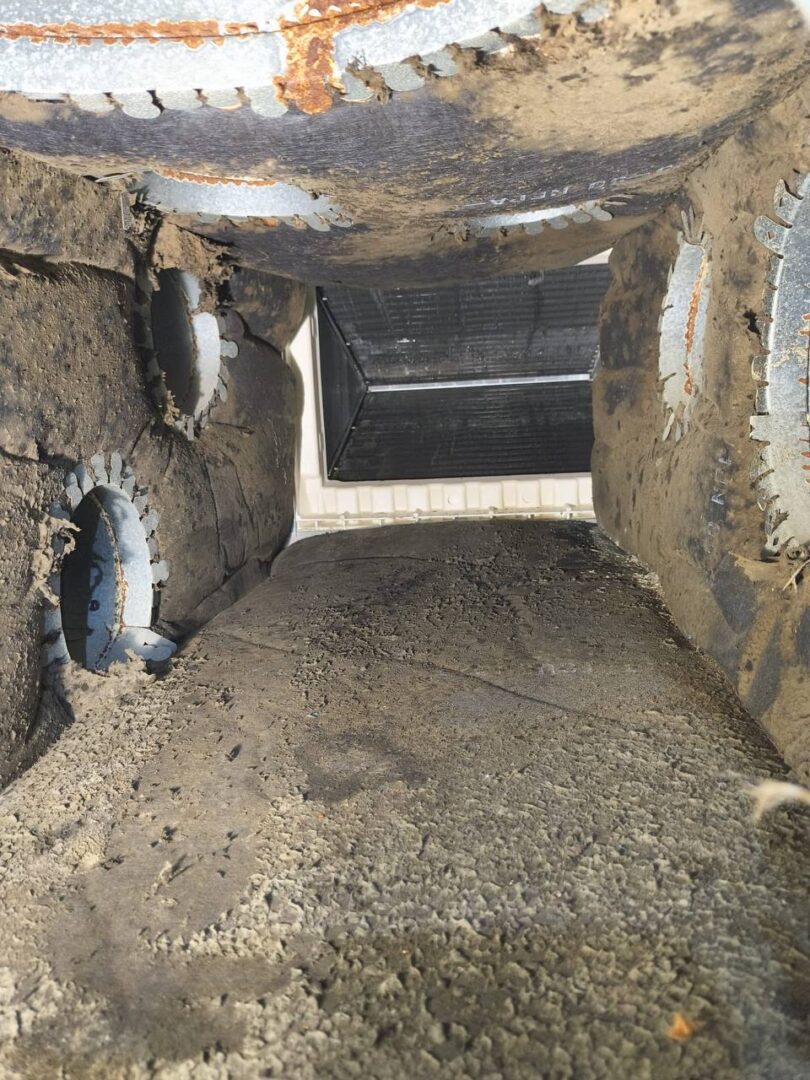
When Houston homeowners search for help with their indoor air quality, they often encounter the term “indoor air specialist.” But what exactly does an indoor air specialist do — and how is that different from an HVAC technician, a general contractor, or an air quality evaluation company? For Houston residents, where Gulf Coast humidity, pollen seasons, and construction dust create year-round IAQ challenges, understanding what an indoor air specialist offers is the first step toward cleaner indoor air.
This guide explains what an indoor air specialist is, the services they provide, when Houston homeowners should call one, and why AH-CHOO’s NADCA-certified team has served the Houston area for 38 years with a one-job-per-day commitment to thorough source-removal cleaning — always starting with a free, no-obligation inspection.
What Is an Indoor Air Specialist?
An indoor air specialist is a trained professional who inspects, cleans, and restores the indoor air distribution system of a home or commercial building. Unlike a general HVAC technician — whose primary focus is heating and cooling equipment operation — an indoor air specialist concentrates on the pathway that conditioned air travels: the ductwork, registers, returns, grilles, air handler compartments, evaporator coils, and blower assemblies where contaminants accumulate over time.
The credential standard for indoor air specialists in the United States is NADCA (National Air Duct Cleaners Association) certification, specifically the ASCS (Air Systems Cleaning Specialist) designation. NADCA-certified specialists are trained in source-removal methodology — the only duct cleaning approach recognized by NADCA, the EPA, and industry standards as effective. Source removal uses mechanical agitation combined with HEPA-filtered negative air pressure to physically extract contaminants from the duct system rather than simply blowing them around or masking them with chemical treatments.
It is important to distinguish an indoor air specialist from three related but different roles:
- HVAC technician: Focuses on heating and cooling equipment — compressors, condensers, furnaces, refrigerant lines, thermostats. An HVAC technician may open an air handler to service the equipment but does not typically inspect or clean the full duct distribution system.
- Air quality evaluation company: Specializes in sampling and laboratory analysis of air for specific contaminants such as mold spores, VOCs, or radon. An indoor air specialist performs visual and mechanical inspection — not laboratory testing — to identify contamination sources within the duct system.
- General duct cleaning service: May use consumer-grade equipment or “spray and go” methods without NADCA training. An indoor air specialist follows NADCA standards for containment, negative pressure, agitation, and post-cleaning verification.
In short: an indoor air specialist is the professional you call when the problem is inside your ductwork, not inside your compressor.
What an Indoor Air Specialist Does
A NADCA-certified indoor air specialist performs a structured sequence of inspection and cleaning steps designed to identify and remove contaminants from the entire air distribution system. Here is what a typical service visit includes:
Free Inspection — Visual and Mechanical Assessment
The process always begins with a free, no-obligation inspection. The indoor air specialist examines every accessible component of the HVAC air distribution system:
- Supply and return registers throughout the home — looking for visible dust accumulation, dark residue, or microbial staining
- Return air grilles and filter housings — checking for bypass, filter condition, and visible contamination on the return side
- Air handler access panels — opening the unit to inspect the evaporator coil, blower wheel, blower compartment, and plenum for dust buildup, moisture damage, or microbial growth
- Accessible duct interior — using a borescope or inspection camera through register openings and access ports to evaluate contamination levels deep in the duct runs
The inspection gives the homeowner a clear, visible assessment of what is inside their duct system — no guesswork, no upselling based on age or square footage alone. If the ducts are clean, the specialist says so. If contaminants are present, the specialist explains what they are, where they are, and how source-removal cleaning addresses them.
Source Removal Cleaning — The NADCA Standard
When cleaning is warranted, source-removal follows a specific NADCA protocol:
- Containment: Access holes are cut at strategic points in the supply and return ductwork. The system is placed under controlled negative pressure using a HEPA-filtered vacuum collection unit — typically a truck-mounted or portable negative air machine — so that any dislodged contaminants are captured at the point of extraction rather than released into living spaces.
- Agitation: Compressed air whips, rotary brushes, or air skippers are inserted through each access point to dislodge adhered contaminants from duct surfaces. This mechanical action is essential for removing the bonded dust, pollen, diesel particulate, and construction debris that accumulate in Houston ductwork.
- Contact vacuuming: The air handler compartment, evaporator coil, blower wheel, and plenum are directly vacuumed using HEPA-filtered equipment. These components are where the finest particulates — including PM2.5 and mold spores — concentrate most densely.
- Antimicrobial treatment (where warranted): For duct systems with confirmed microbial growth — common in Houston due to sustained humidity — an EPA-registered antimicrobial is applied to accessible duct surfaces after mechanical cleaning. This is not a routine spray; it is applied only when visual inspection confirms the need.
- System reassembly and verification: All access points are sealed with airtight caps or patches. The specialist runs the system and performs a final walkthrough with the homeowner to confirm the work meets NADCA standards.
AH-CHOO performs one job per day — a deliberate choice that means the specialist is never rushed, never cutting corners to get to the next appointment. A thorough source-removal cleaning on a typical Houston home takes most of a full workday.
When to Call an Indoor Air Specialist in Houston
Houston’s climate — sustained Gulf Coast humidity, heavy pollen seasons, and a construction boom that generates constant PM10 dust — means that HVAC duct systems accumulate contaminants faster here than in drier, more temperate regions. NADCA recommends an inspection every 2 to 3 years, but Houston homeowners should consider calling an indoor air specialist sooner if they notice any of these signs:
- No inspection in 3+ years. If it has been more than three years since a professional last looked inside your ductwork — or if you have never had an inspection — there is likely accumulation you cannot see. Ducts are out of sight and out of mind until a problem becomes visible at the registers.
- Visible dust escaping from supply registers. When the HVAC system turns on, do you see puffs of dust or gray particulate blowing from the vents? That is duct contamination being distributed into the air you breathe.
- Musty odors from vents. A persistent musty or earthy smell when the air conditioner runs — especially after rain or during Houston’s humid summer mornings — often indicates microbial growth in the ductwork or air handler compartment. This is one of the most common calls AH-CHOO receives in Houston.
- Unexplained dust accumulation on surfaces. If furniture and floors develop a layer of dust within days of cleaning — despite clean filters — the HVAC system itself is likely the distribution source, recirculating particulates from contaminated ductwork.
- After renovation, water event, or pest intrusion. Construction generates enormous amounts of drywall dust, sawdust, and concrete particulate that settle in ductwork. Water events — including Houston’s frequent heavy rains and occasional flooding — introduce moisture that promotes microbial growth. Pest or rodent intrusion leaves contaminants that require professional source removal.
- New construction dust in ductwork. Houston’s rapid residential growth means that even neighborhoods far from active construction sites receive airborne PM10. New construction dust is finer and more pervasive than household dust — it penetrates return air intakes and settles deep in duct runs.
- Higher energy bills without a change in usage. A dust-loaded evaporator coil and restricted airflow from dirty ductwork reduce HVAC efficiency. If energy bills are rising and usage patterns haven’t changed, duct contamination is a possible — and often overlooked — cause.
The good news: a free inspection from an indoor air specialist answers these questions definitively. You will know whether your ducts are clean or need attention — no guesswork and no obligation.
Why Houston Homes Need Indoor Air Specialists More Often
Houston’s geographic and climatic conditions create a uniquely demanding environment for indoor air systems. Here is why Houston homeowners benefit from more frequent indoor air specialist attention compared to homes in drier regions:
- Gulf Coast humidity and condensation. Houston’s average relative humidity hovers around 75% — among the highest for any major US city. When warm, moisture-laden air enters return ducts and encounters the cold surfaces of an air-conditioned duct system, condensation forms. That moisture, trapped in dark duct interiors, creates ideal conditions for mold and mildew. Even well-maintained HVAC systems in Houston accumulate moisture-related microbial growth faster than systems in drier climates.
- Pine, oak, and ragweed pollen load. Houston’s extended pollen season — beginning with oak in February and running through ragweed in November — means that HVAC systems filter enormous volumes of allergenic particulates. Pollen that bypasses the filter or enters through door and window gaps accumulates in ductwork, where humidity binds it to duct surfaces.
- Construction dust from rapid growth. The Houston metro area adds tens of thousands of new housing units annually. Construction-related PM10 — concrete dust, drywall particulate, sawdust, and soil excavation dust — travels well beyond the construction site boundary and is drawn into nearby HVAC return air intakes.
- Slab-on-grade and attic duct runs. Most Houston homes are built on concrete slabs with HVAC ductwork running through unconditioned attics. Attic temperatures regularly exceed 130°F in summer, creating a harsh thermal environment that accelerates the breakdown of any organic material in ducts and can cause duct leakage that pulls attic dust and insulation fibers into the system.
- Long AC runtime. Houston’s cooling season runs from March through October — often longer. HVAC systems that operate 2,500+ hours annually process far more air — and collect far more contaminants — than systems in cooler climates. What accumulates in one year of Houston AC runtime may take three or more years in a northern climate.
These factors mean that the NADCA-recommended 2-3 year inspection cadence is not just a suggestion for Houston — it is a practical necessity for homes that want to maintain clean indoor air and efficient HVAC operation.
Frequently Asked Questions About Indoor Air Specialists
What is an indoor air specialist?
An indoor air specialist is a NADCA-certified professional trained to inspect, clean, and restore the air distribution system of a home — including ductwork, registers, returns, air handler compartments, evaporator coils, and blower assemblies. Unlike a general HVAC technician who focuses on heating and cooling equipment, an indoor air specialist concentrates on the path that conditioned air travels through your home, using source-removal methodology that physically extracts contaminants rather than masking them.
Is an indoor air specialist the same as an HVAC technician?
No. An HVAC technician diagnoses and repairs heating and cooling equipment — compressors, furnaces, refrigerant circuits, and thermostats. An indoor air specialist inspects and cleans the duct distribution system that carries conditioned air. The two roles are complementary: the HVAC technician keeps the equipment running, and the indoor air specialist keeps the ductwork clean. Some companies offer both services; AH-CHOO specializes exclusively in indoor air quality — duct cleaning, HVAC sanitation, and inspection.
Does AH-CHOO have indoor air specialists in Houston?
Yes. AH-CHOO has served the Houston area for 38 years as a NADCA-certified indoor air quality company. Every AH-CHOO specialist holds NADCA ASCS certification and follows source-removal standards. AH-CHOO performs one job per day — a deliberate commitment to thoroughness — and every service begins with a free, no-obligation inspection. Visit our Houston hub page or contact us to schedule a free inspection.
What does an indoor air specialist inspection include?
A free inspection from an indoor air specialist includes a visual and mechanical assessment of every accessible component of your HVAC air distribution system: supply and return registers throughout the home, return air grilles and filter housings, the air handler interior (evaporator coil, blower wheel, blower compartment, and plenum), and accessible duct interiors via borescope or inspection camera. The specialist provides a clear, visible assessment of what is inside your ducts — with no obligation to proceed with cleaning.
Related Houston Indoor Air Quality Services
- Houston Air Duct Cleaning — NADCA-certified source-removal cleaning for Houston homes
- Air Duct Cleaning Services — Complete guide to AH-CHOO’s NADCA-certified cleaning process
- HVAC Cleaning Houston TX — Comprehensive HVAC system cleaning including coils, blowers, and plenums
- Contact AH-CHOO — Schedule a free indoor air quality inspection in Houston
Disclaimer: This information is for educational purposes only. AH-CHOO’s indoor air specialist services — including NADCA-certified air duct cleaning and HVAC sanitation — are designed to improve HVAC system cleanliness and indoor air quality but do not prevent illness, cure allergies, or guarantee specific health outcomes. Individual results vary based on home conditions, HVAC system age, and environmental factors. Always consult a qualified healthcare provider for health concerns related to indoor air quality.
Related AH-CHOO resources: Houston air duct cleaning.