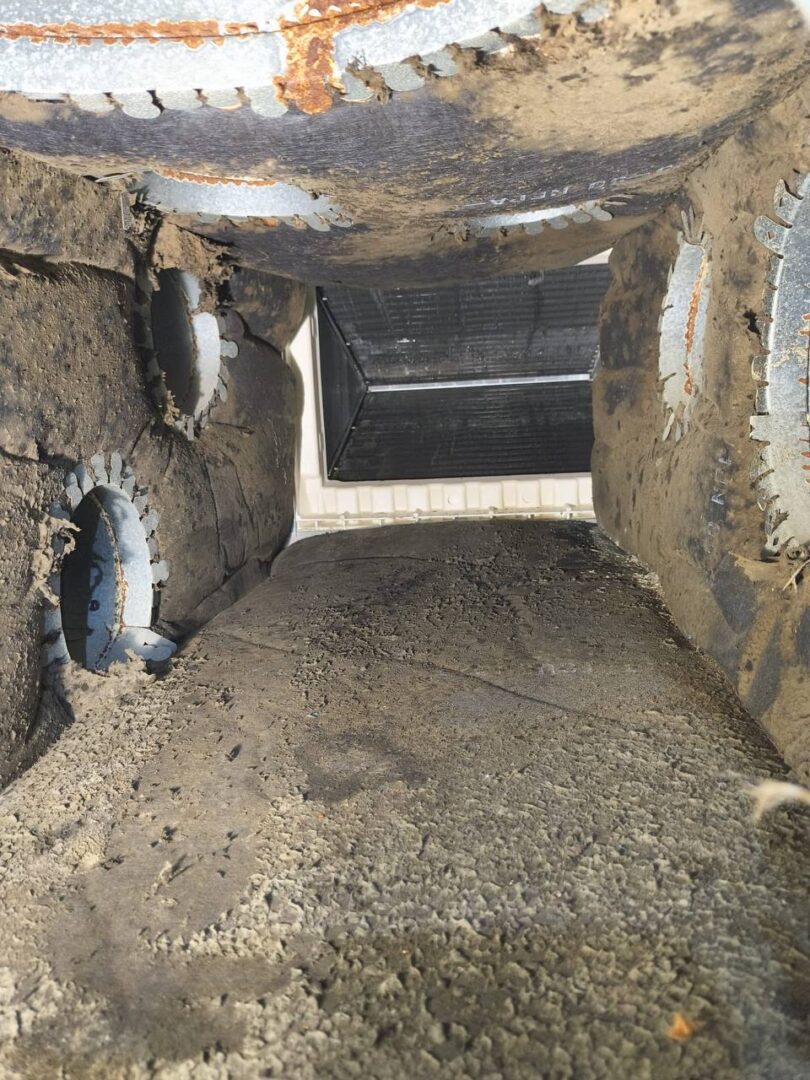
Buda, Texas — a fast-growing community of approximately 20,000 residents along the I-35 corridor just south of Austin — occupies a unique position in the Texas Hill Country transition zone where the Balcones Escarpment meets the Blackland Prairie. This geologic and geographic intersection shapes the indoor air quality (IAQ) challenges that Buda homeowners face in ways that are distinct from both central Austin and the eastern I-35 suburbs.
Despite having a dedicated service page for Buda air duct cleaning and a rapidly growing portfolio of Austin-area IAQ content — including the recently published Indoor Air Quality Leander TX guide — Buda has had no dedicated indoor air quality post until now. This guide fills that gap with a focused look at what makes Buda TX indoor air quality unique and how NADCA-certified air duct cleaning addresses the specific contaminants found in homes across this Hays County community.
What Makes Buda TX Indoor Air Quality Unique
Buda’s IAQ challenges stem from five interconnected factors that differentiate this fast-growing Austin suburb from both the urban core and rural Hill Country communities:
- I-35 diesel PM2.5 corridor. Buda sits along one of the most heavily trafficked freight corridors in North America. I-35 carries approximately 150,000 vehicles per day through the Austin metro area, a significant percentage of which are diesel trucks serving the NAFTA trade route between Mexico and the interior United States. Buda’s proximity to I-35 — most neighborhoods lie within 1-3 miles of the interstate — means that homes are constantly exposed to fine diesel particulate matter (PM2.5) that infiltrates through door seals, window gaps, and HVAC return air intakes. Unlike central Austin where the urban canopy provides some filtration, Buda’s newer developments on former ranchland have minimal tree cover, allowing PM2.5 to travel further into residential neighborhoods.
- Onion Creek floodplain humidity. Buda is bisected by Onion Creek, which flows from the Hill Country through the city’s center before emptying into the Colorado River. The Onion Creek floodplain — a broad, low-lying area that extends through much of Buda’s residential core — creates a localized humidity microclimate. This sustained humidity — combined with the clay-rich Blackland Prairie soils that retain moisture — creates conditions conducive to microbial growth in HVAC systems, particularly in homes built in the floodplain zone.
- Limestone and clay soil dust. Buda sits at the transition zone where the rocky limestone-based soils of the Texas Hill Country meet the deep clay soils of the Blackland Prairie. This unique soil interface means Buda homeowners contend with two distinct types of soil-derived dust: fine alkaline limestone dust from the western portions of the city, and fine clay particulates from the eastern neighborhoods. Both particle types infiltrate HVAC systems and accumulate in ductwork, but they behave differently — limestone dust is abrasive and hygroscopic, while clay dust is finer and can become airborne more easily when disturbed.
- Rapid residential construction dust. Buda is one of the fastest-growing communities in the Austin metro area, with population increasing by more than 60% in the last decade. Master-planned communities such as Sunfield, Whispering Hollow, and Governors Ranch are under continuous construction, generating PM10 (coarse construction dust) that blankets nearby properties. Buda’s relatively flat terrain and prevailing south-southeast winds carry construction dust across residential neighborhoods and directly into HVAC return air intakes.
- Austin-Bergstrom International Airport PM2.5. Buda lies approximately 8 miles southwest of Austin-Bergstrom International Airport (AUS), placing it directly in the flight path and downwind of airport operations. Aircraft emissions — particularly during takeoff and landing — produce ultrafine PM2.5 that accumulates in the Buda airshed. Studies have shown that communities within 10 miles of major airports have elevated levels of ultrafine particulates in indoor environments.
- Wildfire smoke from Hill Country and Balcones woodlands. During Texas wildfire season — increasingly extending beyond traditional summer months due to drought conditions — smoke from wildfires in the Hill Country and Balcones Canyonlands settles into Buda’s airshed. Buda’s position on the eastern edge of the Hill Country means it receives smoke from wildland fires that travel eastward with prevailing winds.
I-35 Traffic Pollution and Your Buda Home
The I-35 corridor is Buda’s most significant IAQ challenge. Unlike noise pollution, which can be mitigated with sound barriers and double-pane windows, fine diesel particulates penetrate home envelopes through every available pathway.
Diesel PM2.5 is particularly problematic for HVAC systems because of its size and composition. These particles — measuring 2.5 micrometers or smaller — pass through standard HVAC filters (including many MERV 8 filters) and accumulate in ductwork, on evaporator coils, and in air handler compartments. Over time, diesel PM2.5 builds up as a dark, oily residue that reduces HVAC efficiency, restricts airflow, and can recirculate through the home each time the system operates.
Buda’s proximity to I-35 means that homes within a mile of the interstate experience the highest PM2.5 infiltration rates. However, because Buda’s terrain is relatively flat and open compared to central Austin’s hilly topography, diesel particulates travel further — homes 2-3 miles from I-35 still show elevated PM2.5 levels compared to communities further east.
Onion Creek Floodplain Humidity and Mold Risks
The Onion Creek floodplain — which runs through the heart of Buda — creates a unique indoor air quality dynamic that distinguishes Buda from other I-35 corridor communities like Kyle and San Marcos. The floodplain’s low elevation, clay soils, and proximity to the creek’s surface water create a sustained humidity microclimate that persists even during dry regional conditions.
Homes in Buda’s floodplain neighborhoods — particularly those near the Onion Creek Greenbelt and in established subdivisions like Elm Grove — experience higher indoor relative humidity during summer months. When indoor humidity exceeds 60%, conditions become favorable for mold and mildew growth in HVAC systems, particularly in dark, cool areas like ductwork and evaporator coil compartments.
Buda homeowners may notice musty odors when the HVAC system runs — particularly after rain events or during humid summer mornings — indicating that microbial growth has established itself within the duct system. Professional source-removal duct cleaning, combined with antimicrobial treatment when appropriate, addresses these humidity-driven IAQ concerns at their source.
Construction Dust in Buda’s Rapidly Expanding Neighborhoods
Buda’s rapid growth — the city has more than doubled in population since 2010 — means that construction dust is a near-constant IAQ challenge for many residents. Unlike the natural dust from limestone and clay soils that blows in during dry periods, construction dust includes a complex mixture of:
- Concrete and cement dust from foundation work, driveway pouring, and sidewalk installation — alkaline particles (pH 11-12) that can damage HVAC components over time
- Drywall joint compound dust from interior finishing — ultra-fine gypsum particles that bypass most HVAC filters and settle deep in ductwork
- Wood dust from framing and trim work — organic particles that can absorb moisture and support mold growth
- Soil excavation dust from earthmoving and grading — a combination of limestone and clay particles specific to Buda’s transitional geology
Homes in Buda’s active construction zones — particularly near Sunfield, Whispering Hollow, and along the FM 967 corridor — show elevated dust accumulation in HVAC systems. NADCA-certified source-removal cleaning is particularly important in these areas, as the combination of construction dust and humidity can create bonded deposits that DIY methods cannot remove.
Austin Airport Emissions Proximity
Buda’s location approximately 8 miles southwest of Austin-Bergstrom International Airport places it in a zone of elevated ultrafine particulate exposure. Aircraft operations — particularly jet engine exhaust during takeoff — produce particles in the 10-100 nanometer range, substantially smaller than typical combustion particulates. These ultrafine particles penetrate building envelopes more efficiently than larger PM2.5 and settle into HVAC ductwork.
While AUS is smaller than major hubs like DFW or IAH, its rapid growth (serving over 22 million passengers annually) means that aircraft emissions continue to increase as a contributor to Buda’s IAQ profile. Homes in Buda’s northern neighborhoods — those closest to the airport approach path — are most affected by airport-related PM2.5.
Signs Your Buda Home Needs Air Duct Cleaning
Buda homeowners should consider professional air duct cleaning if they notice any of the following indicators:
- Visible dust accumulation around vents within days of cleaning — a sign that the HVAC system is actively distributing particulates from ductwork into living spaces
- Dark residue on vent grilles — diesel PM2.5 from I-35 traffic creates a characteristic dark, greasy residue distinct from household dust
- Musty or earthy smells when the HVAC system runs — particularly after rain or during humid weather, indicating microbial growth in ductwork
- Unexplained allergy symptoms that improve when away from home — suggesting that indoor air contaminants are the trigger
- Higher energy bills without a change in usage patterns — restricted airflow from duct contamination reduces HVAC efficiency
- Recent nearby construction — if a subdivision or custom home is being built within a quarter mile of your property, construction dust is infiltrating your HVAC system through return air intakes
- Dust reappearing quickly after surface cleaning — indicating that the source of dust is the HVAC system itself
Why Professional Source-Removal Cleaning Matters for Buda Homes
Buda’s unique contaminant profile — I-35 diesel PM2.5, Onion Creek floodplain humidity, limestone and clay construction dust, and airport-related ultrafine particulates — requires professional cleaning methods that go beyond consumer-grade equipment.
NADCA (National Air Duct Cleaners Association) standard source-removal cleaning uses:
- HEPA-filtered negative air machines that create controlled negative pressure in the duct system, preventing contaminants from escaping into living spaces during cleaning
- Agitation devices (compressed air whips, rotary brushes, or air skippers) that dislodge adhered contaminants — including diesel PM2.5 residue that has bonded to duct surfaces through humidity
- Contact vacuuming of the air handler compartment, evaporator coil, blower wheel, and plenum — areas where fine particulates accumulate most densely
- Antimicrobial treatment for homes with confirmed microbial growth from floodplain humidity, using EPA-registered products applied to accessible duct surfaces
Source-removal cleaning is particularly important for Buda’s diesel PM2.5 and construction dust combination, which creates a bonded residue on duct surfaces that cannot be removed by DIY methods such as vacuuming registers or using duct cleaning aerosol sprays.
Frequently Asked Questions About Indoor Air Quality in Buda TX
How does Buda’s proximity to I-35 affect indoor air quality?
Buda’s location along the I-35 corridor — one of the most heavily trafficked freight routes in North America — means homes are exposed to elevated levels of diesel PM2.5 fine particulates. These particles penetrate home envelopes through door seals, window gaps, and HVAC return air intakes, accumulating in ductwork and recirculating each time the HVAC system runs. Homes within 1-3 miles of I-35 experience the highest PM2.5 infiltration rates.
Does the Onion Creek floodplain affect Buda’s indoor humidity?
Yes. The Onion Creek floodplain creates a sustained humidity microclimate in Buda’s residential core. Clay-rich Blackland Prairie soils retain moisture from creek overflow and rainfall, releasing it slowly through evaporation. Indoor relative humidity in floodplain-zone homes can exceed 60% during summer months, creating conditions favorable to mold and mildew growth in HVAC ductwork and air handler compartments.
How does construction dust from Buda’s rapid growth affect HVAC systems?
Buda’s population has more than doubled since 2010, and new construction in developments like Sunfield and Whispering Hollow generates significant PM10 construction dust. This dust — a mixture of concrete, drywall, wood, and soil particulates — infiltrates HVAC systems through return air intakes and accumulates in ductwork. The combination of construction dust and floodplain humidity can create bonded deposits that require professional NADCA-certified source-removal cleaning.
Does AH-CHOO serve the Buda TX area for air duct cleaning?
Yes. AH-CHOO provides NADCA-certified air duct cleaning, HVAC sanitation, and indoor air quality services throughout the Buda TX area, including Sunfield, Whispering Hollow, Elm Grove, Governors Ranch, and all Hays County communities within our Austin service radius. Contact us to schedule a free in-home IAQ assessment.
Disclaimer: This information is for educational purposes only. AH-CHOO’s air duct cleaning services are designed to improve HVAC system cleanliness and indoor air quality but do not prevent illness, cure allergies, or guarantee specific health outcomes. Individual results vary. Always consult a qualified healthcare provider for health concerns related to indoor air quality.
Related AH-CHOO resources: Austin air duct cleaning.