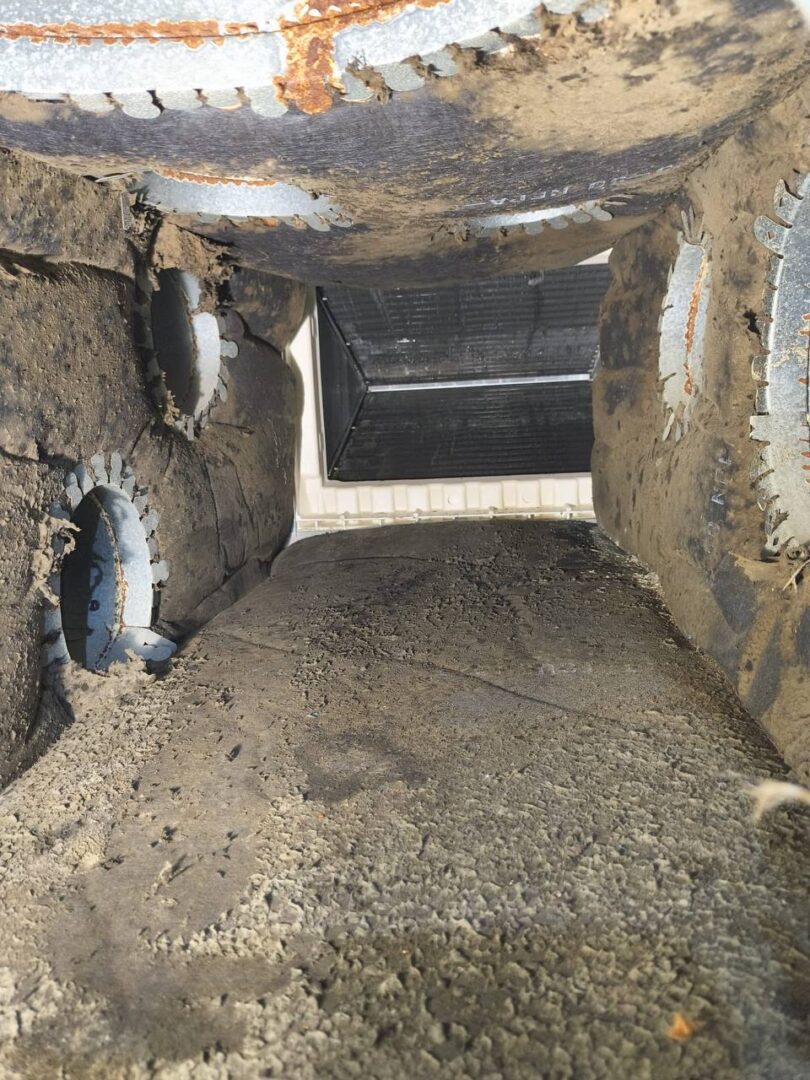
Leander, Texas sits at the northern edge of the Austin metro along the I-35 corridor — a city that has transformed from a Hill Country bedroom community into one of the fastest-growing suburbs in the United States. With a population that has surged past 75,000 and master-planned communities expanding across former ranchland, Leander’s growth brings a unique set of indoor air quality (IAQ) challenges that residents of this Williamson County city need to understand.
Despite having a dedicated Leander air duct cleaning service page and a general duct cleaning guide, the site has no content specifically addressing Leander’s IAQ conditions. This guide fills that gap with a focused look at what makes indoor air quality unique in Leander TX and how NADCA-certified air duct cleaning addresses the specific contaminants found in homes across this fast-growing Austin suburb.
Why Leander Has Unique Indoor Air Quality Challenges
Leander’s IAQ challenges stem from five interconnected factors that differentiate it from other Austin suburbs and from Texas’s larger metropolitan markets:
- I-35 corridor diesel PM2.5 exposure. Leander sits approximately 5 miles west of Interstate 35, one of the busiest freight corridors in North America. The I-35 corridor carries over 150,000 vehicles daily, with a significant percentage of diesel tractor-trailers. These diesel engines produce PM2.5 — fine particulate matter 30 times smaller than a human hair that penetrates deeply into homes through doors, windows, and HVAC fresh air intakes. While Leander is far enough from I-35 to avoid the worst roadside concentrations, prevailing southeasterly winds carry I-35 emissions into the city, particularly during summer months when HVAC systems draw in outdoor air.
- Ellenburger limestone formation dust. Leander sits on the Ellenburger limestone formation — a massive bed of Ordovician-period limestone that underlies much of the Texas Hill Country. Unlike the clay soils of Houston or the sandy loam of East Texas, this limestone weathers into fine alkaline calcium carbonate dust (pH 7.5-8.5) that becomes airborne during dry periods. Leander’s rapid development — with new subdivisions like Santa Rita Ranch, Crystal Falls, and Bryson clearing hundreds of acres annually — generates continuous limestone dust that blankets surrounding neighborhoods and infiltrates HVAC systems through return air intakes.
- Lake Travis humidity influence. Leander’s western boundary sits within 5 miles of the North Fork of the San Gabriel River and the Lake Travis watershed. While not directly on the lake, the city lies within the lake’s humidity influence zone. Lake Travis, a 19,000-acre reservoir on the Colorado River, creates a localized humidity microclimate that extends 5-10 miles inland. This sustained humidity — combined with limestone’s moisture retention properties — creates conditions conducive to microbial growth in HVAC ductwork, particularly during the humid months of May through October.
- Cedar fever season (December-February). Williamson County sits within the most severe Ashe juniper (mountain cedar) zone in Texas. The region’s dense stands of mature juniper produce enormous quantities of allergenic pollen during December through February — a period when homes are sealed tight against winter temperatures. Leander’s position on the eastern edge of the Hill Country juniper belt means it receives some of the highest pollen counts in the Austin metro, regularly exceeding 8,000-12,000 grains per cubic meter during peak cedar fever season.
- Master-planned community construction dust. Leander’s rapid population growth has driven continuous construction across the city’s major developments. Santa Rita Ranch (3,200 homes), Crystal Falls (2,000+ homes), Bryson (1,400+ homes), and multiple other subdivisions are in various stages of build-out, each generating construction-related PM10 (coarse particulate matter) that affects nearby homes for months or years.
I-35 Corridor Traffic Pollution and Your Leander Home
Leander’s proximity to I-35 is a defining feature of the city’s IAQ profile. While the interstate brings economic growth and commuting convenience, it also delivers a steady stream of traffic-related air pollution that affects homes throughout the area.
How I-35 Emissions Enter Leander Homes
Diesel and gasoline combustion on I-35 produces a complex mixture of pollutants, including nitrogen oxides (NOx), volatile organic compounds (VOCs), and fine particulate matter (PM2.5). These pollutants enter Leander homes through:
- HVAC fresh air intakes. Many Leander homes, particularly newer construction, have mechanical fresh air ventilation systems (ERVs/HRVs) that draw outdoor air directly into the HVAC system. During periods of elevated outdoor pollution (typically afternoon and evening rush hours), these systems draw I-35 corridor air into the home’s ductwork.
- Natural infiltration. Even without mechanical ventilation, the natural air exchange rate of a typical Leander home (0.5-1.0 air changes per hour) means outdoor pollutants continually migrate indoors through door seals, window gaps, and building envelope penetrations.
- HVAC duct leakage. Duct systems in attics and crawl spaces can draw outdoor air through leaks, particularly in older homes or those with poorly sealed ductwork.
Limestone Construction Dust in Leander’s Expanding Neighborhoods
The limestone geology that defines Leander’s landscape is both a blessing and a challenge for indoor air quality. While limestone bedrock provides excellent foundations for new construction, the process of clearing, grading, and building on this formation generates significant quantities of fine alkaline dust.
What Makes Limestone Dust Different
Limestone dust from the Ellenburger formation has distinct properties that make it more problematic than ordinary household dust:
- Alkaline pH (7.5-8.5). Unlike neutral household dust (pH ~7.0), limestone dust is alkaline, which can irritate respiratory tissues and degrade HVAC system components over time.
- Fine particle size. The majority of construction-generated limestone dust falls in the PM2.5 to PM10 range — particles small enough to bypass standard HVAC filters and recirculate through the home.
- Hygroscopic properties. Limestone dust absorbs and retains moisture from the air, creating conditions that contribute to microbial growth when dust accumulates in ductwork.
- Abrasive nature. The calcium carbonate particles in limestone dust have angular edges that can wear down HVAC blower wheels, bearings, and seals over time.
Lake Travis Humidity and Indoor Mold Risks Near Leander
While Leander is not a lakefront community, its position within 5 miles of the Lake Travis watershed creates a localized humidity profile distinct from communities further east or south in the Austin metro. The 19,000-acre reservoir acts as a moisture source that raises relative humidity across the western Williamson County area by 5-8% compared to communities farther from the lake.
When Humidity Creates Duct Problems
Leander homes face humidity-related duct issues during specific conditions:
- Summer afternoon thunderstorms. Lake-effect humidity, combined with Gulf moisture drawn north during afternoon thunderstorms, can push indoor relative humidity above 60% in Leander homes, creating conditions where condensation forms on cool duct surfaces in unconditioned attics.
- Spring transition months (March-May). During the Texas Hill Country’s spring “norther” pattern — where cold fronts alternate with warm Gulf air — condensation cycles in ductwork can occur multiple times per week.
- Extended fall humidity (September-November). Lake Travis water temperatures remain warm well into October, sustaining elevated humidity levels in the Leander area longer than in inland communities.
Cedar Fever Season in Williamson County
Leander sits within the heart of Williamson County’s Ashe juniper belt — an area that experiences some of the most intense cedar fever seasons in Texas. The Williamson County cedar season typically runs from mid-December through late February, with peak pollen releases triggered by dry cold fronts that create ideal conditions for juniper pollen dispersal.
During peak cedar fever days, Leander’s juniper pollen counts can exceed 10,000 grains per cubic meter — well above the threshold for severe allergic response. This pollen enters homes through the same infiltration pathways as traffic pollution, settling into ductwork where it recirculates throughout the winter heating season.
Signs Your Leander Home Needs Air Duct Cleaning
Leander homeowners should watch for these specific indicators that their HVAC ductwork may need professional cleaning:
- Visible fine white or light-gray dust around vents. This is a hallmark sign of limestone dust accumulation from nearby construction. Unlike ordinary gray household dust, limestone dust has a distinctive light color and powdery texture.
- Unexplained allergy or sinus symptoms during cedar fever season (December-February). If symptoms are worse at home than away, recirculating juniper pollen in ductwork may be the cause.
- Musty odors during or after rain events. Lake Travis humidity zone homes may experience condensation-related musty smells in ductwork during humid periods.
- Increasing energy bills without a rate change. Dust accumulation on blower wheels and in ductwork restricts airflow, forcing HVAC systems to run longer to maintain set temperatures.
- Dust reappearing within days of cleaning. Rapid dust accumulation in Leander’s construction zones is normal — but if dust reappears within days of thorough home cleaning, the HVAC system may be recirculating construction dust trapped in ductwork.
Why Professional Source-Removal Cleaning Matters for Leander Homes
Leander’s unique combination of I-35 traffic pollution, limestone construction dust, Lake Travis humidity, and cedar fever season makes professional source-removal duct cleaning particularly important for homes in this community. Standard “brush and vacuum” methods are insufficient for the contaminants specific to the Leander market:
- Limestone dust requires negative air containment. Fine alkaline calcium carbonate particles are easily aerosolized during cleaning. Professional NADCA-standard cleaning uses HEPA-filtered negative air machines to capture these particles before they can redistribute throughout the home.
- Traffic PM2.5 is trapped in duct surfaces. Diesel particulate matter adheres to duct surfaces through electrostatic attraction and moisture absorption. Agitation tools combined with high-powered HEPA vacuum extraction are required for effective removal.
- Humidity-related microbial growth needs antimicrobial treatment. In Lake Travis humidity zone homes, professional antimicrobial duct treatment following source-removal cleaning helps prevent rapid microbial re-growth.
- Cedar pollen recirculation is seasonal but cumulative. Without regular duct cleaning, juniper pollen accumulates year over year in ductwork, worsening each winter’s cedar fever season.
Frequently Asked Questions About Indoor Air Quality in Leander TX
How does Leander’s proximity to I-35 affect indoor air quality?
Leander sits approximately 5 miles west of I-35, one of the busiest freight corridors in the US. Prevailing southeasterly winds carry diesel PM2.5 and NOx emissions into the city, where they infiltrate homes through HVAC fresh air intakes and natural building envelope leakage. These fine particulates accumulate in ductwork and recirculate through HVAC systems.
Why is limestone construction dust different from regular dust?
Limestone dust from Leander’s Ellenburger formation is alkaline (pH 7.5-8.5), fine enough to bypass standard HVAC filters, hygroscopic (moisture-absorbing), and abrasive to HVAC components. It accumulates in ductwork as a light-colored powder that restricts airflow over time.
Does Lake Travis proximity really affect indoor humidity in Leander?
Yes. The 19,000-acre Lake Travis reservoir creates a localized humidity microclimate that raises relative humidity in the western Williamson County area by 5-8% compared to communities farther from the lake. This sustained humidity, combined with limestone soil moisture retention, creates conditions conducive to microbial growth in HVAC ductwork during May-November.
When is cedar fever season worst in Leander?
Leander’s cedar fever season typically runs from mid-December through late February, with the most severe pollen releases occurring during dry cold front passages. Williamson County is one of the most intense juniper pollen zones in Texas, with counts regularly exceeding 10,000 grains per cubic meter.
Does AH-CHOO serve the Leander TX area for air duct cleaning?
Yes. AH-CHOO provides NADCA-certified air duct cleaning, HVAC sanitation, and indoor air quality services throughout the Leander TX area, including Santa Rita Ranch, Crystal Falls, Bryson, and all Williamson County communities within our Austin service radius. Contact us to schedule a free in-home IAQ assessment.
Disclaimer: This information is for educational purposes only. AH-CHOO’s air duct cleaning services are designed to improve HVAC system cleanliness and indoor air quality but do not prevent illness, cure allergies, or guarantee specific health outcomes. Individual results vary. Always consult a qualified healthcare provider for health concerns related to indoor air quality.
Related AH-CHOO resources: Austin air duct cleaning.