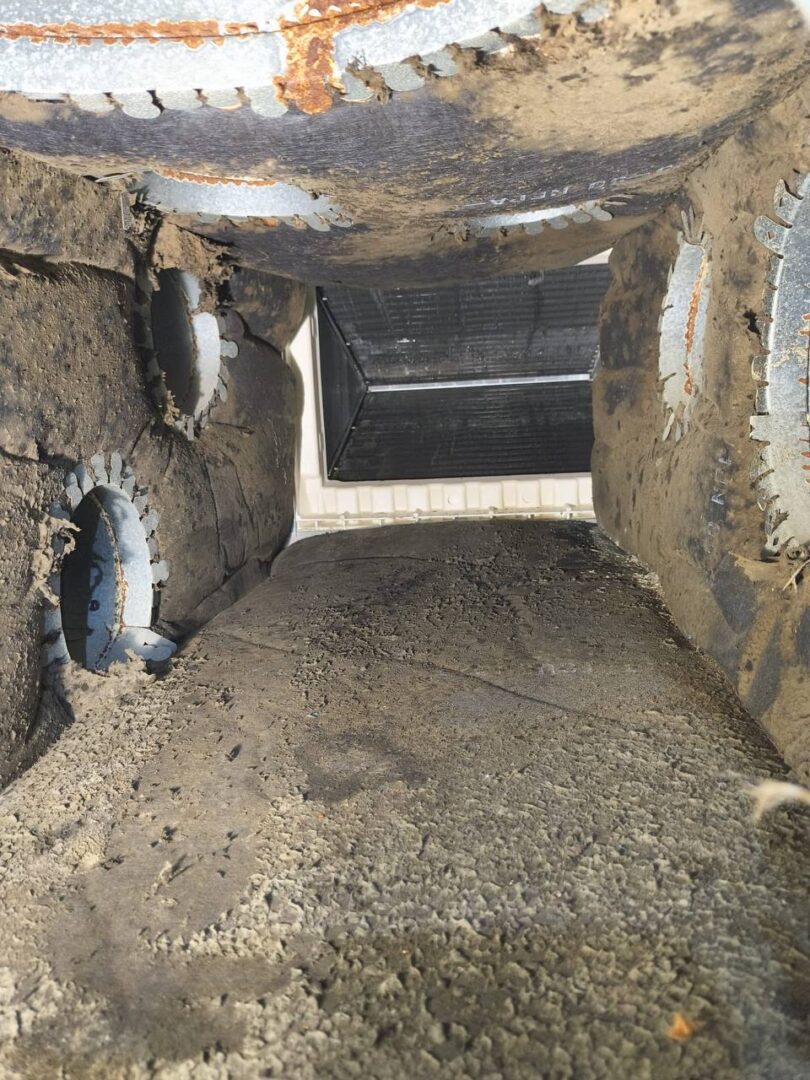
If you’ve noticed dust settling on surfaces just hours after cleaning, rooms that feel stuffy despite the AC running, or a musty odor coming from your vents, your air ducts may be telling you something. For Cedar Park homeowners, dirty air ducts are a common but often overlooked issue — especially in a climate where the HVAC system runs nearly year-round.
This guide covers the signs of dirty air ducts, what causes them to get dirty faster in the Cedar Park area, and when it makes sense to schedule a professional cleaning.
Signs Your Cedar Park Home May Have Dirty Air Ducts
- Excessive dust: If you’re dusting your home every two or three days, your ductwork may be circulating debris from inside the system. A layer of fine, light-gray dust on furniture and electronics is a common indicator.
- Uneven temperatures: Rooms farther from the HVAC unit feel noticeably warmer or cooler, suggesting blocked or debris-filled ducts are restricting airflow.
- Visible debris near vents: Check your supply registers. If you see dust, lint, or dark particles accumulating around the vent covers, debris is likely built up inside the ductwork.
- Musty or stale odors: A persistent smell when the HVAC system runs can indicate trapped organic matter, pet dander, or moisture inside the ducts.
- Increased allergy symptoms: If household members experience more sneezing, congestion, or eye irritation at home than elsewhere, dirty ducts may be circulating airborne particles.
Why Cedar Park Homes Are Prone to Dirty Ducts
Cedar Park’s location in the Texas Hill Country creates specific conditions that contribute to duct soiling:
- Limestone geology: The region’s alkaline soil produces fine, abrasive dust that easily infiltrates ductwork through leaks, unsealed joints, or attic bypasses.
- Cedar and oak pollen: During spring and fall, heavy pollen loads from local juniper and oak trees enter attic spaces through soffit vents and settle inside duct insulation.
- New construction boom: Cedar Park has experienced rapid development. Homes built in the last 5–10 years may contain drywall dust, wood fragments, and insulation particles left over from construction that were never cleaned out of the duct system.
- Extended HVAC runtime: With hot summers and mild winters, the HVAC system in Cedar Park runs 8–10 months per year, continuously pulling air through the filter and depositing particulates in the ductwork over time.
Common Causes of Duct Contamination
Beyond the environmental factors, everyday household activity contributes to duct soiling:
- Dirty HVAC filters: A clogged or low-MERV filter allows dust, pet hair, and lint to bypass the filtration system and accumulate inside the ductwork.
- Renovation or remodeling: Sanding, painting, and demolition create fine particulates that the HVAC system circulates throughout the home.
- Pets: Dog and cat dander, fur, and tracked-in outdoor debris are major contributors to duct buildup in homes with pets.
- Poor duct sealing: Leaky duct joints in unconditioned attics pull in insulation fibers, dust, and pest debris from the surrounding space.
Should You Clean Your Air Ducts or Inspect First?
If you suspect dirty ducts, the next step is to confirm what you’re dealing with. NADCA — the National Air Duct Cleaners Association — recommends a professional inspection before any cleaning service. An inspection can identify:
- Whether visible debris exceeds the NADCA standard for cleaning
- Whether mold, pests, or moisture issues are present (which require remediation before cleaning)
- Whether the duct system has physical damage, disconnected sections, or degraded insulation
For Cedar Park homes, scheduling a professional air duct inspection is the safest first step. The inspection report gives you a clear picture of your duct condition and whether cleaning is warranted.
FAQ
How often should air ducts be cleaned?
NADCA recommends inspection every 2–3 years and cleaning when visible debris, mold growth, or pest contamination is present. Homes with pets, allergies, or recent renovations may need more frequent evaluation.
Can dirty air ducts cause HVAC problems?
Yes. Excessive debris restricts airflow, forcing the system to work harder. This can lead to higher energy bills, frozen evaporator coils, and premature equipment wear.
Does cleaning air ducts reduce dust?
After a proper NADCA-certified cleaning, homeowners typically notice a significant reduction in surface dust accumulation. The key is that the entire system — not just the main trunk lines — is cleaned thoroughly.
What’s the difference between dirty ducts and mold in ducts?
Dirty ducts contain dry debris — dust, lint, pet dander, and construction particles. Mold requires moisture and appears as black, green, or white growth. A professional inspection can distinguish between the two and recommend the appropriate solution.
Are dirty air ducts unhealthy?
While dirty ducts themselves are not an acute health concern, they can circulate dust, allergens, and particulates that may aggravate existing sensitivities. A clean duct system supports better indoor comfort for everyone.
Next Steps for Cedar Park Homeowners
If you’re noticing any of the signs described above, start with a professional inspection. For Cedar Park homeowners, learn more about air duct services in Cedar Park or explore NADCA-certified cleaning options in your area. A clean duct system supports efficient HVAC operation and a more comfortable home.
Related Service Areas
- Indoor Air Quality in Pflugerville, TX
- Indoor Air Quality in Round Rock, TX
- Indoor Air Quality in Georgetown, TX
- Indoor Air Quality in New Braunfels, TX
Related AH-CHOO resources: Austin air duct cleaning; schedule a free inspection.