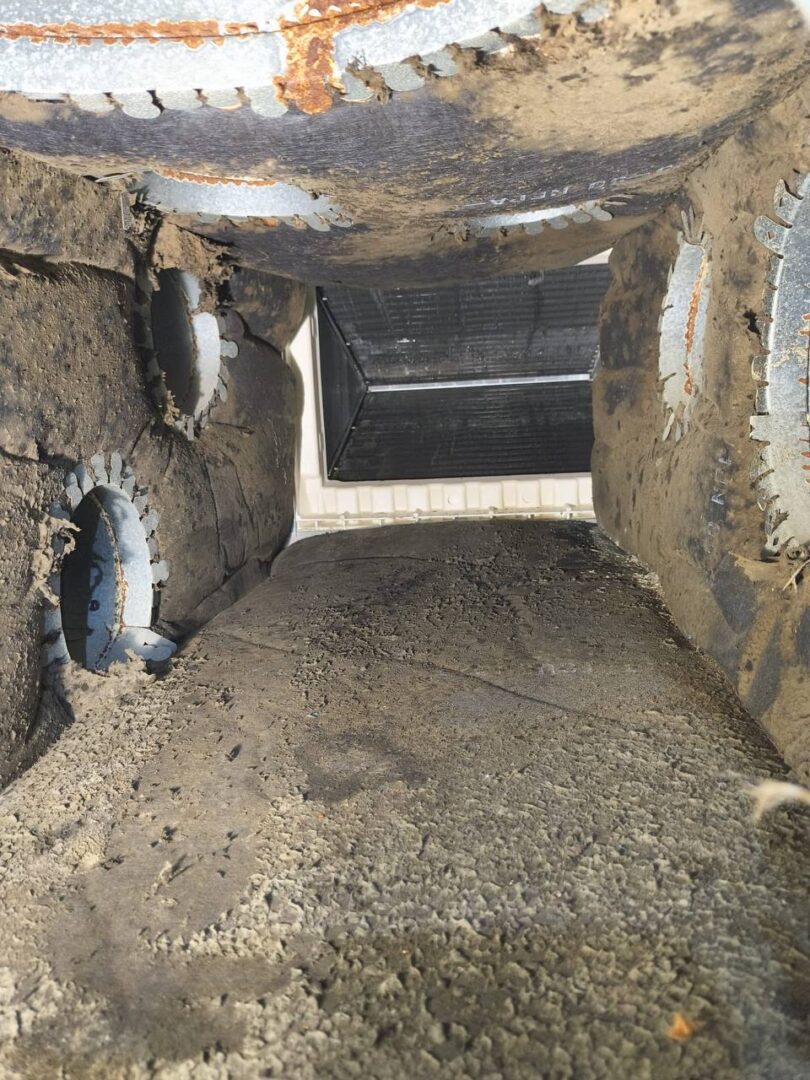
Dirty Air Ducts Austin TX? Signs, Causes & What to Do
You walk into your living room in Barton Hills or Circle C, and there it is again: a fine layer of limestone-colored dust on the coffee table you just wiped down yesterday. Or you notice a dry, dusty smell every time the AC kicks on in your Austin home. Maybe your HVAC system seems to run longer than it used to without quite reaching the thermostat setpoint.
If something feels off about your home’s air, you’re probably right. Dirty air ducts in Austin have a distinct character — Hill Country limestone dust, cedar and juniper pollen, and I-35 construction corridor PM2.5 create a contaminant profile that’s very different from Houston or Dallas. Here’s how to recognize the signs, understand the causes, and decide when professional cleaning makes sense.
What Makes Austin’s Dirty Ducts Different
Austin sits on the eastern edge of the Edwards Plateau, where limestone bedrock and Hill Country soils create finer, lighter dust than the heavy Gulf Coast silt found in Houston. This limestone dust stays airborne longer and settles more evenly — which means it can circulate through your duct system for weeks before enough accumulates to be visible.
Add in Central Texas’s intense cedar and juniper pollen seasons, and your duct system becomes a reservoir for allergens that trigger seasonal discomfort for many Austin homeowners. Unlike Houston’s grass and ragweed pollen, cedar pollen particles are smaller and more likely to infiltrate ductwork through minor gaps.
The I-35 construction corridor — a near-constant feature of Austin’s growth — generates fine PM2.5 particulate from concrete cutting, demolition, and heavy truck traffic. Homes near the corridor or in rapidly developing neighborhoods like Mueller, Domain-area developments, or the 130 Toll Road corridor are especially susceptible to construction-related particulate infiltration.
Central Texas also experiences longer dry periods between rain compared to Gulf Coast cities. This allows more settled dust to accumulate in ductwork before brief but intense thunderstorms add humidity that can transform dry dust into caked-on debris — a condition that’s harder to remove with basic DIY methods.
Signs Your Austin Air Ducts Are Dirty
Not every dust particle on your shelf means your ducts need cleaning. But these specific signs point to ductwork as the source:
- Visible dust escaping from vents shortly after dusting or cleaning. If your tables and shelves develop a new dust layer within 24–48 hours, your ducts are likely recirculating particulates rather than delivering clean air.
- Uneven airflow between rooms. When debris accumulates in trunk lines or branch runs, certain rooms receive noticeably less airflow while others get the full volume.
- HVAC running longer without reaching setpoint. Dirty ductwork restricts airflow, forcing your system to run extended cycles to deliver the same conditioned air volume.
- Musty or dry dusty smell when the AC or furnace kicks on. Austin’s humidity fluctuation between dry spells and thunderstorms can create conditions for musty odors in uncleaned ducts.
- Recent new construction or renovation. Austin’s building boom means many homes are near active construction. Drywall dust, sawdust, and concrete particulate from nearby projects can infiltrate duct systems through fresh-air intakes and unsealed returns.
One quick check: remove a vent cover and shine a flashlight into the duct. If you see visible debris buildup, dust clumps, or — in worse cases — signs of pest activity or moisture staining, professional evaluation is warranted.
What Causes Dirty Air Ducts in Austin Homes?
Understanding the source of duct contamination helps you decide whether cleaning is the right fix or whether you need to address a larger issue first.
- Normal household activity: Cooking, shedding skin cells, pet dander — every home generates particulate. In tightly sealed modern Austin homes, these particulates recirculate more before being filtered.
- Poor filtration: Using standard fiberglass filters with MERV 4–6 ratings allows fine particulates to pass through and accumulate in ductwork. A MERV 8–11 filter changed every 60–90 days makes a measurable difference.
- Duct leakage: Unsealed duct joints in attics or crawl spaces pull in attic dust, insulation fibers, and outdoor particulates. This is especially common in older Austin homes built before 2010.
- Renovation or construction debris: Home renovations — popular in Austin’s older neighborhoods like Hyde Park, Travis Heights, and Zilker — generate significant particulate that can settle deep in existing ductwork.
- Neglected maintenance: Duct systems that have never been professionally inspected or cleaned can accumulate years of settled debris, especially in homes with pets or allergy-prone occupants.
How Source-Removal Cleaning Differs from “Fluff and Buff”
Not all duct cleaning services are the same. The industry standard for thorough cleaning is source-removal — a method that uses controlled negative pressure, mechanical agitation, and HEPA filtration to extract contaminants rather than just pushing them around.
If a company offers a low price and promises to clean your ducts with a shop vac and a leaf blower, that’s not source-removal. Here’s what effective duct cleaning actually involves:
- HEPA vacuum negative pressure: A powerful truck-mounted or portable HEPA vacuum creates negative pressure in the duct system, pulling dislodged debris into a collection container rather than releasing it into your home.
- Mechanical agitation: Rotary brushes, air whips, or compressed air tools physically dislodge debris adhered to duct walls — not just loose dust that a vacuum alone would capture.
- Post-cleaning verification: A reputable provider should be able to show you before-and-after evidence that debris was actually removed from the system.
Source-removal is particularly important in Austin because limestone dust tends to adhere to duct surfaces when humidity spikes during thunderstorm season. A basic vacuum pass won’t remove this caked-on debris.
When to Call a Professional vs. DIY
Some homeowners prefer to handle basic vent and register cleaning themselves. Changing your HVAC filter regularly, vacuuming vent covers, and keeping return air grilles clean are all good maintenance practices. These tasks can reduce the amount of dust circulating in your home day-to-day.
However, once debris has accumulated inside the actual duct runs — beyond what you can reach from the register opening — professional equipment and training become necessary. The sealed duct system is designed to deliver conditioned air efficiently; disturbing debris without proper negative pressure can release contaminants into your living space.
If you notice the signs listed above — visible vent discharge, uneven airflow, persistent odors — a professional inspection is the appropriate next step. Many reputable duct cleaning companies offer a free in-home inspection to assess the actual condition of your ductwork before recommending any service.
Frequently Asked Questions About Dirty Air Ducts in Austin
How can I tell if my air ducts in Austin are dirty?
Check for visible dust accumulation around vent covers, notice if your HVAC system runs longer than usual without reaching the thermostat setpoint, and pay attention to musty or dusty odors when the system kicks on. A flashlight check through a removed vent cover can reveal visible debris buildup inside the duct.
What causes dirty air ducts in Austin homes specifically?
Austin’s Hill Country location means finer limestone dust that stays airborne longer. Cedar and juniper pollen particles are smaller and more likely to infiltrate ductwork. The I-35 construction corridor generates PM2.5 that can enter through fresh-air intakes. These factors create a contaminant profile distinct from other Texas cities.
Can dirty air ducts affect my HVAC system?
Yes, debris buildup restricts airflow, forcing your HVAC system to run longer cycles to deliver the same conditioned air volume. This increases wear on components and can reduce system efficiency over time.
How often should air ducts be cleaned in Austin?
The National Air Duct Cleaners Association (NADCA) recommends inspection every two to three years with cleaning as needed. Homes near construction, with pets, or with allergy-prone occupants may benefit from more frequent inspection — annually if dust accumulation is noticeable within weeks of cleaning.
Does AH-CHOO serve all Austin neighborhoods?
Yes, AH-CHOO! Indoor Air Quality provides source-removal duct cleaning across the entire Austin metro area including Downtown, South Austin, North Austin, East Austin, Westlake, Lakeway, Bee Cave, Dripping Springs, Buda, Kyle, and beyond. We also serve the surrounding communities you’ll find on our Austin air duct cleaning page.
Will professional duct cleaning reduce dust in my Austin home?
Source-removal cleaning can significantly reduce dust accumulation by removing the reservoir of particulates in your ductwork. However, some dust is normal in any home. If you notice rapid re-accumulation after cleaning, an inspection of your duct seals and filter setup is worthwhile to address infiltration points.
Next Steps for Austin Homeowners
If you’re seeing dust reaccumulate quickly, noticing uneven airflow, or just want peace of mind about your home’s duct system, a professional inspection is the right first step. AH-CHOO! Indoor Air Quality serves the entire Austin area with thorough, NADCA-referenced source-removal duct cleaning.
Learn more about our Austin air duct cleaning services, check out our NADCA-certified Austin duct cleaning standards, or read about mold in air ducts if you’re noticing musty odors alongside dust.
Related Service Areas
- Indoor Air Quality in Pflugerville, TX
- Indoor Air Quality in Round Rock, TX
- Indoor Air Quality in Georgetown, TX
- Indoor Air Quality in New Braunfels, TX
Related AH-CHOO resources: schedule a free inspection.