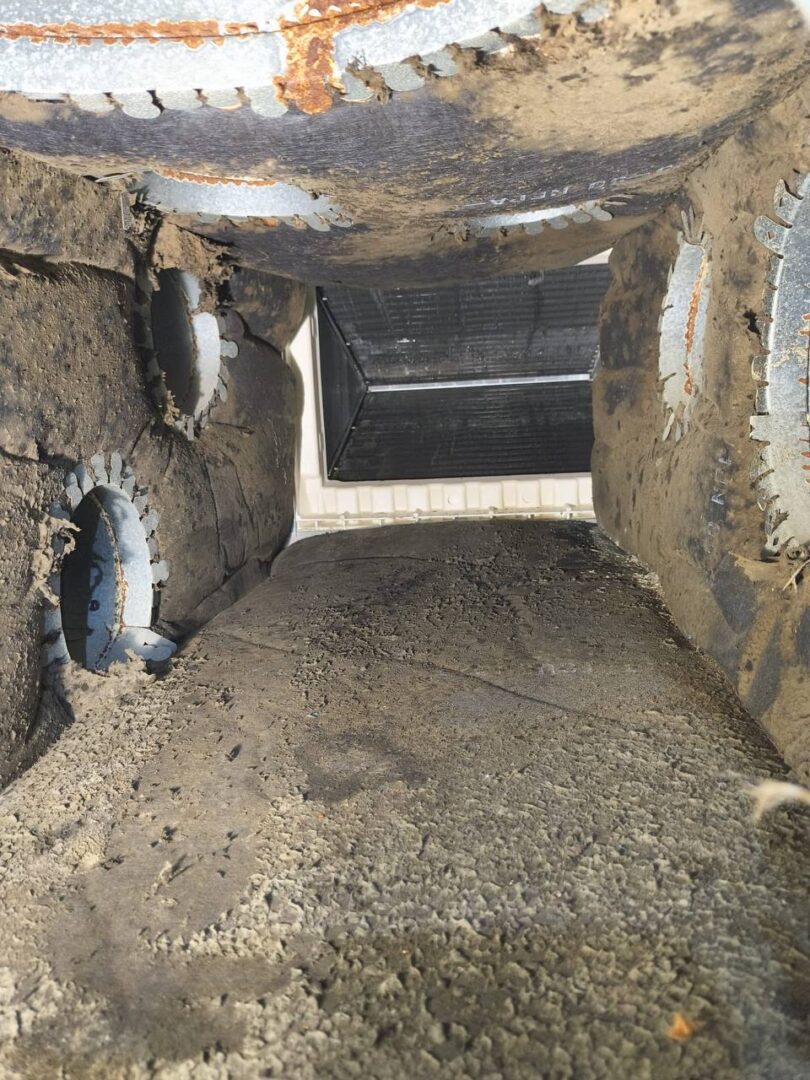
If you own or manage a restaurant, commercial kitchen, or food service operation in Texas or Louisiana, your ventilation system works harder than any residential duct system ever will. Every day, your hood and ductwork handle grease-laden air, high heat, and constant use. When that system isn’t cleaned regularly, the consequences go far beyond reduced efficiency — they include fire risk, health code violations, and costly emergency repairs.
Commercial kitchen air duct cleaning is different from residential duct cleaning. The grease, the volume, the fire safety standards — everything changes when you move from a home to a commercial kitchen. Here’s what every restaurant operator should know.
How Commercial Kitchen Ducts Differ from Residential Systems
A home’s ductwork moves air through a relatively clean environment — dust, pet dander, pollen, general household debris. A commercial kitchen’s exhaust system moves air heavy with grease vapor, cooking oil aerosols, smoke, and steam. That difference isn’t small; it’s the difference between dust accumulation and grease accumulation.
Grease is not just dirt. Grease is combustible. According to the National Fire Protection Association (NFPA), between 2014 and 2018, U.S. fire departments responded to an average of 7,400 structure fires per year in eating and drinking establishments. Cooking equipment was involved in 61% of those fires, and grease buildup in exhaust systems was a contributing factor in many.
Beyond fire safety, commercial kitchen ducts are physically different: they’re larger, they include hood plenums and exhaust fans, they have accessible access panels for inspection, and they’re subject to explicit regulatory standards that residential ducts aren’t.
What Happens When Commercial Kitchen Ducts Aren’t Cleaned
When grease-laden air moves through unmaintained ductwork, several problems develop simultaneously:
- Grease accumulation in ductwork: Over time, grease deposits build up on the interior surfaces of ducts, hoods, and exhaust fans. These deposits can reach thicknesses that become a fire fuel source.
- Reduced hood exhaust efficiency: A greasy duct system moves less air. Your hood can’t capture smoke, steam, and cooking odors as effectively, which means your kitchen gets hotter and your HVAC system works harder.
- Fan motor strain: When a fan has to push air through greasy, narrowed ducts, it works harder, draws more power, and wears out sooner.
- Health code violations: Health inspectors check kitchen ventilation. Visible grease buildup, insufficient exhaust, or inability to produce cleaning records can result in failed inspections, fines, or even temporary closure.
NFPA 96 Standards for Commercial Kitchen Ventilation
NFPA 96 is the Standard for Ventilation Control and Fire Protection of Commercial Cooking Operations. It’s the benchmark for commercial kitchen duct cleaning in the United States. Here’s what every restaurant operator should know:
- Grease buildup on duct interior surfaces must not exceed 1/8 inch (about 3 mm) at any point.
- Cleaning frequency depends on the volume and type of cooking: high-volume operations (24-hour restaurants, fast food) may need quarterly cleaning; moderate-volume operations (full-service restaurants) may need semi-annual cleaning.
- All cleaning must be documented with dated service records, including before-and-after photos.
- Access panels must be installed so all portions of the exhaust system can be inspected and cleaned.
- Certified, trained professionals should perform the cleaning — not general maintenance staff.
NFPA 96 isn’t optional. It’s adopted as code in most jurisdictions across Texas and Louisiana. Compliance is a legal requirement, not a best practice.
Health Department Compliance and Record Keeping
Local health departments in Houston, Austin, San Antonio, Baton Rouge, New Orleans, and other Gulf South cities inspect commercial kitchens on a regular schedule. During an inspection, the health inspector may check:
- Condition of hood filters (clean, not saturated with grease)
- Visible condition of ductwork through access panels
- Exhaust fan operation and cleanliness
- Documentation of recent duct cleaning
- General kitchen ventilation performance
Keeping a record of professional commercial kitchen duct cleaning — including dates, scope of work, and service provider — is one of the simplest ways to demonstrate compliance during an inspection.
Signs Your Commercial Kitchen Ducts Need Cleaning
Not sure if your kitchen’s exhaust system is due for service? Here are the most common indicators:
- Visible grease accumulation around hood filters or on duct access panels
- Grease dripping from duct joints or seams
- The hood doesn’t capture smoke or steam as well as it used to
- Your kitchen feels noticeably hotter when cooking equipment is running
- You don’t know the last time the ducts were professionally cleaned
- A recent energy bill shows higher-than-normal HVAC usage
How Professional Commercial Kitchen Duct Cleaning Works
A professional commercial kitchen duct cleaning involves more than running a brush through a duct. The process follows NFPA 96 standards and typically includes:
- Assessment: A technician inspects the entire exhaust system — hood, ductwork, exhaust fan — and documents the current condition.
- Surface cleaning: Grease and debris are removed from all accessible interior surfaces using scrapers, brushes, and HEPA-filtered vacuums.
- Component cleaning: Hood filters are cleaned or replaced. The exhaust fan blades and housing are degreased. Access panel gaskets are inspected.
- Verification: After cleaning, the system is re-inspected to verify that grease buildup is below the NFPA 96 threshold.
- Documentation: A dated service report with before-and-after photos is provided for your records.
Why Professional Cleaning Matters
Commercial kitchen duct cleaning is specialized work. General duct cleaning equipment isn’t designed for grease-laden exhaust systems. Professional commercial kitchen cleaners use:
- Industrial degreasers and pressure washing equipment
- HEPA-filtered negative air machines to contain contaminants
- Specialized scrapers and brushes for grease removal
- Inspection cameras to verify interior cleanliness
- NFPA 96-compliant cleaning procedures and documentation
Frequently Asked Questions
How often should commercial kitchen ducts be cleaned?
Frequency depends on cooking volume. High-volume operations (fast food, 24-hour restaurants) typically require quarterly cleaning. Full-service restaurants may need semi-annual cleaning. Low-volume operations (cafes, bakeries with limited fryer use) may need annual cleaning. NFPA 96 provides guidance based on cooking type and volume.
What is NFPA 96 and how does it apply to kitchen ducts?
NFPA 96 is the Standard for Ventilation Control and Fire Protection of Commercial Cooking Operations. It sets the maximum allowable grease buildup (1/8 inch), defines cleaning frequency, and requires documentation of all cleaning. It is adopted as code in most jurisdictions across Texas and Louisiana.
Can I clean commercial kitchen ducts myself?
While routine hood filter cleaning can be done in-house, interior duct cleaning — including the exhaust fan, duct interior surfaces, and hard-to-reach sections — should be performed by trained professionals with the right equipment. Improper cleaning can leave grease deposits in place while creating the appearance of cleanliness.
What happens if a restaurant fails a health inspection for duct cleanliness?
Consequences depend on severity. Minor violations may require correction within a specified timeframe. Major violations — such as excessive grease buildup or failure to maintain cleaning records — can result in fines, re-inspection fees, or temporary suspension of the food service permit. Repeat violations carry escalating penalties.
Does commercial kitchen duct cleaning include the hood and exhaust fan?
Yes. A complete commercial kitchen duct cleaning service includes the hood plenum, ductwork from hood to exhaust fan, the exhaust fan housing and blades, and any accessible interior surfaces. Hood filters are cleaned or replaced as part of the service.
How is commercial kitchen duct cleaning different from residential?
The primary difference is the type of contamination: residential ducts accumulate dust and debris, while commercial kitchen ducts accumulate grease. The cleaning methods, equipment, safety standards, and compliance requirements are fundamentally different. Commercial kitchen cleaning follows NFPA 96 standards and uses industrial degreasers and pressure washing equipment rather than standard duct brushes.
Ready to schedule your commercial kitchen duct cleaning? Contact AH-CHOO Indoor Air Quality to discuss your restaurant or commercial kitchen’s exhaust system needs. Our team serves the Texas and Louisiana Gulf Coast region and follows industry standards for commercial kitchen ventilation maintenance.
Related Service Areas
- Commercial Duct Cleaning — Terrell Hills
- Offshore Platform HVAC Cleaning
- Boat Air Duct Cleaning — Gulf Coast
- Air Duct Cleaning After Renovation — Houston
Related AH-CHOO resources: commercial air duct cleaning; schedule a free inspection.