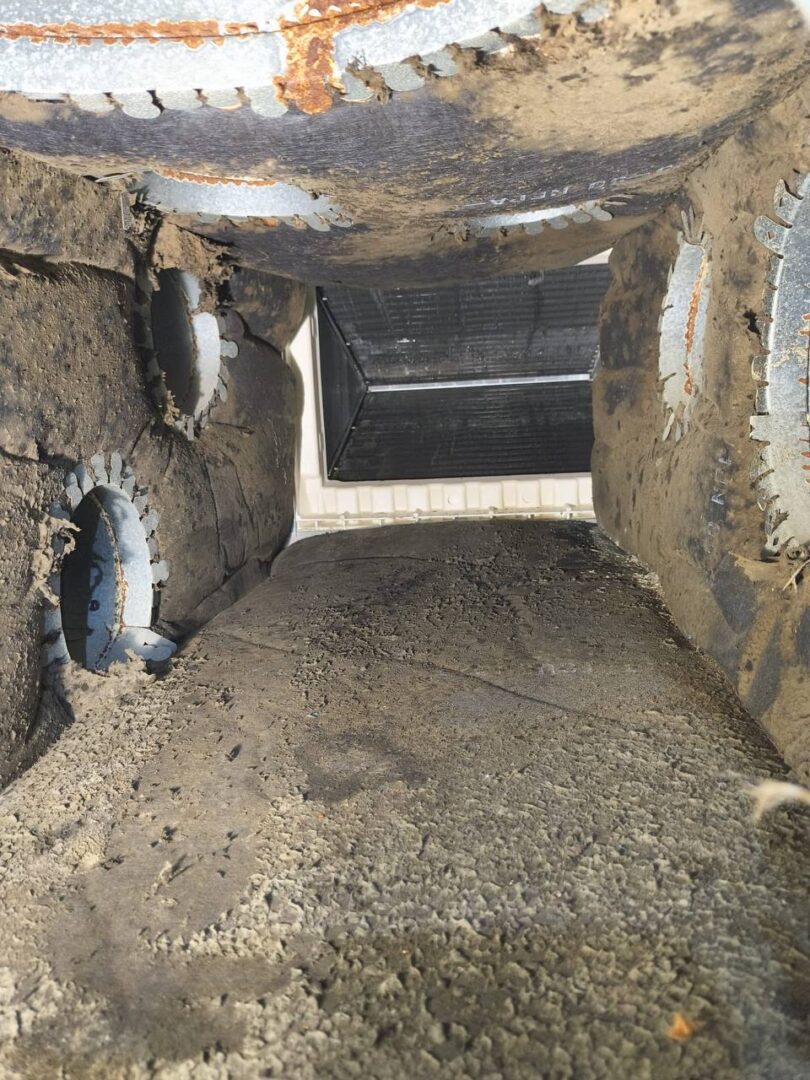
When you manage a large venue — a stadium seating 70,000 fans, a convention center hosting multi-day expos, or an arena with year-round events — the HVAC system isn’t just about comfort. It’s a critical infrastructure component that directly affects guest experience, employee health, and the longevity of millions of dollars in mechanical equipment.
Commercial air duct cleaning for large venues is fundamentally different from residential or even standard commercial office cleaning. The scale, complexity, and regulatory requirements demand a specialized approach. This guide covers what venue managers, facility directors, and building owners need to know.
Why Large Venues Need Specialized HVAC Cleaning
Standard commercial HVAC cleaning protocols are designed for typical office buildings and retail spaces. Large venues present unique challenges that require a tailored methodology:
- Massive air volume: A domed stadium like the Caesars Superdome moves millions of cubic feet of air per minute. Even small debris accumulations in the ductwork are distributed across vast spaces, affecting air quality for tens of thousands of occupants simultaneously.
- Complex HVAC architecture: Large venues often have multiple air handler units (AHUs), variable air volume (VAV) boxes, miles of ductwork in multiple zones, and integrated systems for pressurization, smoke evacuation, and humidity control. Each subsystem must be cleaned without disrupting the others.
- High-occupancy standards: ASHRAE Standard 62.1 for acceptable indoor air quality and local building codes impose stricter ventilation requirements on assembly occupancies. Venues must maintain specific outdoor air exchange rates and filtration levels.
- Event-driven debris loads: From turf fibers and artificial surface particles in sports venues to exhibition dust, food service grease, and crowd-sourced particulates, large venues accumulate debris types that office buildings never encounter.
- Operational constraints: Cleaning must happen on tight off-hours schedules — between events, during off-seasons, or during overnight maintenance windows — without compromising the venue’s event calendar.
A Real-World Case: Commercial HVAC Cleaning at the Caesars Superdome
The Caesars Superdome in New Orleans presents one of the most challenging commercial HVAC cleaning environments in the Gulf South. With its iconic domed roof, multi-level seating bowl, locker rooms, luxury suites, concourses, and kitchen facilities, the Superdome’s HVAC system is a sprawling network that must serve vastly different zones simultaneously.
AH-CHOO’s work at the Superdome illustrates the large-venue approach. Rather than treating the entire facility with a single method, each zone received a customized cleaning protocol:
- Main seating bowl: High-volume return air grilles and supply diffusers at multiple levels, cleaned during off-event windows using portable HEPA-equipped negative air units to prevent cross-contamination of occupied zones.
- Luxury suites and club levels: These enclosed, hospitality-grade spaces needed the same care as a premium hotel — full system cleaning of each suite’s dedicated HVAC zones with attention to noise and disruption.
- Concessions and food preparation areas: Grease-laden vapors from cooking equipment can accumulate in nearby ductwork. NADCA-recommended source removal cleaning was applied to kitchen exhaust and supply ducts in these zones.
- Administrative and back-of-house offices: Standard commercial protocols applied, with the added complexity of coordinating access across multiple facility departments.
The result: documented improvement in system static pressure readings, reduced HVAC energy consumption, and a cleaner environment for the hundreds of thousands of visitors who pass through the Superdome each year.
NADCA Standards for Large-Venue HVAC Cleaning
The National Air Duct Cleaners Association (NADCA) publishes comprehensive standards for commercial HVAC system cleaning. The ACR 2025 standard (Assessment, Cleaning, Restoration of HVAC Systems) is the industry benchmark, and large venues present unique compliance considerations:
- Pre-cleaning assessment: NADCA Standard 03-2025 requires a documented visual inspection using remote cameras or borescopes before any cleaning begins. For large venues, this means inspecting miles of ductwork across multiple zones — a process that itself requires coordination and documentation.
- Source removal requirement: NADCA requires that all debris be physically removed from the system — not merely dislodged or encapsulated. This means trucks-mounted vacuum collection units with HEPA filtration, agitation devices, and negative air containment at every access point.
- Post-cleaning verification: A third-party or NADCA-certified inspector must verify that cleaning met the standard. Visual inspection of representative sections and, where specified, surface debris testing using NADCA’s vacuum test or tape lift methods.
- Documentation: The entire process — pre-cleaning assessment, cleaning methodology, post-cleaning verification — must be documented in a NADCA-compliant report. This documentation is critical for insurance, regulatory compliance, and facility management records.
The Consequences of Neglecting Large-Venue HVAC Cleaning
Unlike a residential home where neglected ducts might mean more dust on furniture, the stakes are considerably higher for large venues:
- Indoor air quality (IAQ) complaints: In a venue with 50,000+ occupants, even minor IAQ issues generate significant complaints. Musty odors, visible dust from supply registers during events, or stuffiness in certain zones all create negative guest experiences that affect ratings and return attendance.
- HVAC equipment damage: Debris accumulation on evaporator coils and blower wheels forces HVAC equipment to work harder, shortening its lifespan and increasing energy costs. For a venue with dozens of AHUs, this translates to tens of thousands of dollars in accelerated depreciation.
- Regulatory exposure: Building code and health department inspections can flag poorly maintained HVAC systems. In jurisdictions that reference ASHRAE 62.1 or local IAQ ordinances, documented HVAC cleaning history may be required.
- Fire and safety risks: Grease accumulation in kitchen exhaust ducts (NFPA 96), lint buildup in laundry areas, and debris in air-handling equipment all create fire hazards that increase insurance liability.
What the Large-Venue HVAC Cleaning Process Looks Like
A typical large-venue commercial HVAC cleaning project follows a phased approach:
- Facility assessment and zone mapping: The cleaning contractor works with venue facility management to map every HVAC zone, prioritize areas by usage and debris levels, and create a cleaning schedule that minimizes operational impact.
- Pre-cleaning inspection and baseline documentation: Each zone is visually inspected using cameras. Debris accumulation is documented photographically. Baseline static pressure, airflow, and temperature readings are recorded for comparison after cleaning.
- Source removal cleaning: Certified technicians use truck-mounted vacuum collection with HEPA filtration, mechanical agitation (contact vacuuming, compressed air tools, rotating brushes), and negative air containment at each access point. All debris is physically removed from the system — not pushed deeper or left in place.
- Component-by-component cleaning: Supply ductwork, return ductwork, air handlers, evaporator coils, blower wheels, drain pans, mixing boxes, VAV boxes, diffusers, and grilles are cleaned individually according to NADCA protocols.
- Post-cleaning verification: Representative sections are re-inspected and compared to pre-cleaning documentation. NADCA-certified verification confirms the system meets the standard.
- Ongoing maintenance planning: A recommended schedule for future inspection and cleaning is established based on venue type, occupancy patterns, and local environmental conditions.
Why Venue Managers Choose NADCA-Certified Contractors
For a facility manager responsible for a multi-million-dollar venue, choosing an HVAC cleaning contractor is a high-stakes decision. NADCA certification provides several guarantees:
- Training and competence: NADCA-certified technicians have completed standardized training on HVAC system assessment, cleaning methodology, and safety protocols.
- Industry-standard methodology: NADCA member companies follow the ACR 2025 standard, ensuring cleaning is thorough, documented, and verifiable.
- Third-party accountability: NADCA certification is not self-awarded — it requires continuing education, adherence to the NADCA code of ethics, and compliance with the association’s standards.
- Insurance and liability protection: For venues where liability is a primary concern, using a NADCA-certified contractor provides documentation that due diligence was exercised in HVAC maintenance.
Gulf South Large Venues That Benefit from Specialized HVAC Cleaning
The Gulf South region — from Houston to New Orleans to the Florida Panhandle — has a concentration of large venues that benefit from specialized commercial HVAC cleaning. The region’s high humidity, coastal salt air, and frequent storm activity create unique conditions:
- Humidity and mold risk: Gulf South venues face year-round humidity that creates condensation in ductwork. Regular inspection and cleaning are essential to prevent microbial growth that can affect thousands of occupants.
- Post-storm debris: Hurricane season brings the risk of water intrusion, debris ingress, and accelerated biological growth. Post-storm HVAC inspection and cleaning should be part of every venue’s emergency response plan.
- Coastal salt corrosion: Salt-laden air can accelerate corrosion in ductwork and HVAC equipment, creating particulate that circulates through the system. Regular cleaning removes corrosive deposits before they cause damage.
Frequently Asked Questions
Q: How often should a large venue’s HVAC system be cleaned?
A: NADCA recommends annual inspection for commercial HVAC systems, with cleaning frequency determined by the inspection findings. High-occupancy venues, facilities with food preparation, and those in humid climates may need more frequent attention. Many large venues schedule a full inspection at least annually with zone-specific cleaning on a rotating basis.
Q: How long does commercial HVAC cleaning take for a stadium or arena?
A: A full stadium HVAC cleaning is typically phased over multiple off-event periods. A single-zone cleaning (e.g., luxury suites or one concourse level) can be completed during a 2–3 night maintenance window. A full facility cycle may be scheduled over several months, with different zones addressed during each off-season.
Q: Does HVAC cleaning disrupt venue operations or events?
A: No — commercial HVAC cleaning is specifically scheduled around event calendars. Work happens during off-hours, between events, and during planned maintenance windows. The cleaning contractor coordinates with venue facility management to ensure zero impact on scheduled events.
Q: What’s the difference between residential and large-venue commercial HVAC cleaning?
A: Scale, complexity, and standards. Large-venue cleaning involves multiple HVAC zones, miles of ductwork, specialized equipment (truck-mounted HEPA vacuums, industrial agitation tools), and comprehensive documentation for regulatory compliance. Residential cleaning serves a single home with one or two systems.
Q: How do I find a qualified commercial HVAC cleaning contractor for a large venue?
A: Look for NADCA-certified commercial HVAC cleaning contractors with documented experience in large venues. Ask for case studies, references from other venues, and evidence of compliance documentation. AH-CHOO serves large venues across the Gulf South including Texas, Louisiana, and the broader Southeast.
Q: What documentation should I expect after a commercial HVAC cleaning?
A: A NADCA-compliant report including pre-cleaning assessment documentation, cleaning methodology description, post-cleaning verification results, and photographic evidence. This documentation supports regulatory compliance, insurance requirements, and facility management records.
Need a commercial HVAC cleaning partner for your large venue? AH-CHOO has completed commercial HVAC cleaning projects at stadiums, convention centers, and large facilities across the Gulf South. Contact our commercial team to discuss your venue’s needs and schedule an assessment.
Learn more about commercial air duct cleaning services or explore our work with commercial HVAC cleaning in Austin and Houston commercial properties. For healthcare facilities, see our commercial HVAC cleaning for hospitals guide.
For facility managers, explore our commercial services overview page covering offices, schools, healthcare, and large venues.