Meta Description: Mold remediation in New Orleans homes requires starting with the ductwork. Learn why HVAC systems spread mold throughout every room — and what to do about it.
—
“`json { "@context": "https://schema.org", "@graph": [ { "@type": "Article", "headline": "Mold Remediation for New Orleans Homes: Why Ducts Come First", "description": "Mold remediation in New Orleans homes requires starting with the ductwork. Learn why HVAC systems spread mold throughout every room — and what to do about it.", "author": { "@type": "Organization", "name": "AH-CHOO! Indoor Air Quality" }, "publisher": { "@type": "Organization", "name": "AH-CHOO! Indoor Air Quality", "url": "https://ahchooindoorair.com" }, "mainEntityOfPage": "https://ahchooindoorair.com/blog/mold-remediation-new-orleans-homes" }, { "@type": "FAQPage", "mainEntity": [ { "@type": "Question", "name": "Why does mold keep coming back in New Orleans homes?", "acceptedAnswer": { "@type": "Answer", "text": "Recurring mold in New Orleans homes is most often caused by untreated ductwork. Even if surface mold on walls and ceilings is cleaned, mold colonies inside the HVAC system continuously re-seed the living space with spores, causing regrowth. The duct system must be remediated for any mold treatment to hold." } }, { "@type": "Question", "name": "How do I know if my ducts have mold?", "acceptedAnswer": { "@type": "Answer", "text": "Signs include a musty odor when the air system runs, dark discoloration around vent covers, and allergy or respiratory symptoms that improve when you leave the home. A professional duct inspection is the definitive way to assess mold presence throughout the system." } }, { "@type": "Question", "name": "What makes New Orleans so prone to mold?", "acceptedAnswer": { "@type": "Answer", "text": "New Orleans sits below sea level in a subtropical climate with average annual relative humidity near 75%. The combination of high outdoor humidity, frequent rainfall, warm temperatures, and older home construction creates nearly ideal conditions for mold growth both inside walls and inside HVAC systems." } }, { "@type": "Question", "name": "Does mold in ductwork affect the whole house?", "acceptedAnswer": { "@type": "Answer", "text": "Yes. Your HVAC system circulates air to every room. When ducts contain mold, spores are distributed throughout the entire living space every time the system runs — which in New Orleans is most of the year." } }, { "@type": "Question", "name": "How long does professional duct mold remediation take?", "acceptedAnswer": { "@type": "Answer", "text": "A thorough professional mold remediation of a residential duct system typically takes around 7 hours. Rushing the process leaves behind mold colonies and moisture sources that cause rapid regrowth." } } ] } ] } “`
—
New Orleans is one of the most beautiful cities in America. It is also, by almost every climatic measure, one of the hardest places in the country to keep a home free of mold. Below sea level, surrounded by water, drenched in subtropical humidity year-round — the Crescent City's environment treats moisture control as a perpetual battle rather than a solved problem.
When New Orleans homeowners discover mold, they typically see the symptoms: dark patches on walls, staining under windows, growth in bathrooms. What they rarely see — until they've already paid for remediation that fails to hold — is the source that keeps the problem alive: their air ducts.
After 38 years of working in Gulf Coast homes, including New Orleans properties, our NADCA-certified team has a clear view of why mold keeps coming back in this market. The ductwork is almost always involved, and it's almost always the last thing anyone looks at.
—
The Duct Problem Nobody Explains
When you hire a mold remediation company to clean visible mold from your walls, they clean visible mold from your walls. The job looks done. The invoice gets paid.
Then, six months later, the mold is back.
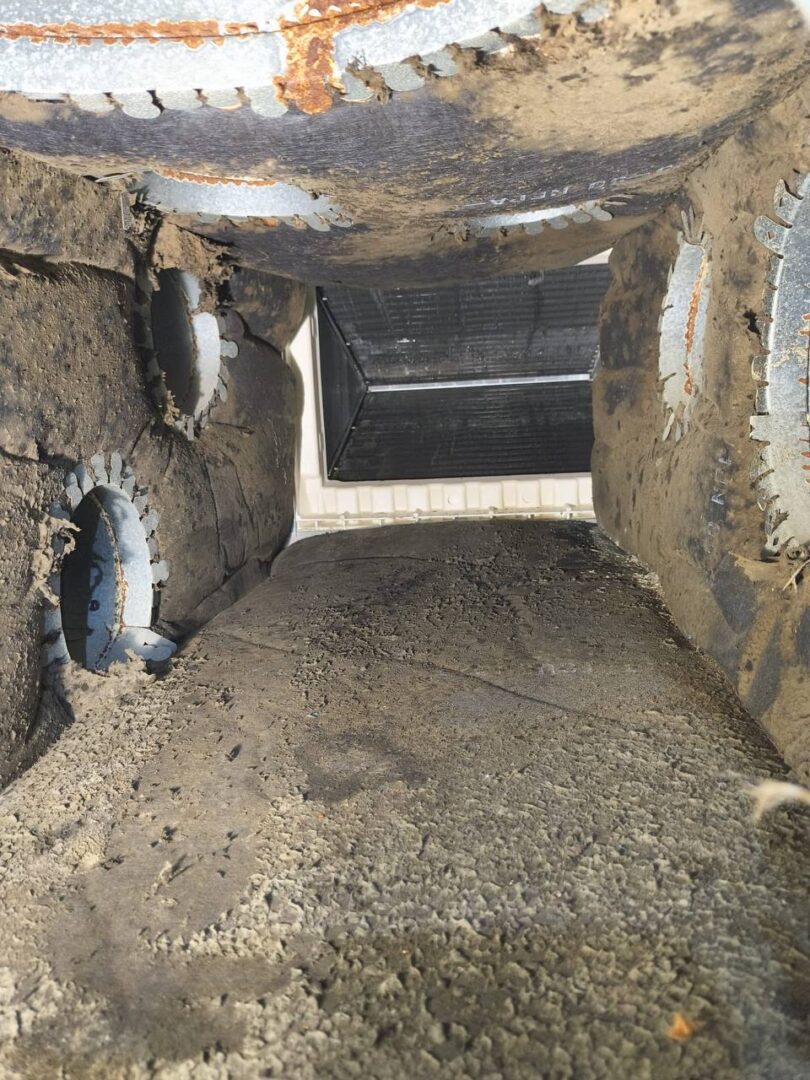
This cycle is depressingly common in New Orleans homes, and the explanation is straightforward: your HVAC system is a mold distribution network when contaminated. Even after surface mold is thoroughly cleaned from walls and ceilings, an untreated duct system continuously re-seeds the living space with spores every time the air handler runs.
Mold colonies inside ductwork produce spores as part of their normal reproductive cycle. Your blower fan picks those spores up and carries them throughout every supply register in your home — living room, bedrooms, kitchen. They land on surfaces, find moisture, and the cycle restarts.
True mold remediation for a New Orleans home must start with — or at minimum include — the duct system. Without it, surface remediation is a temporary fix with a predictable expiration date.
—
Why New Orleans Ducts Are Especially Vulnerable
Several factors specific to New Orleans homes make ductwork particularly susceptible to mold contamination:
Climate Load
New Orleans averages relative humidity near 75% annually, with summer months routinely exceeding 85%. The outdoor air your HVAC system conditions to keep you comfortable is loaded with moisture. When the system isn't properly dehumidifying — whether due to sizing issues, maintenance gaps, or equipment age — that humidity enters and circulates through the duct system.
Older Home Construction
Much of New Orleans's housing stock predates modern HVAC installation standards. Older ductwork often features compromised insulation, failing seals, and flex duct that has developed gaps over decades. These openings allow the humid air of crawl spaces, attic spaces, and wall cavities to infiltrate the duct system directly.
Crawl Space and Pier-and-Beam Foundations
A significant portion of New Orleans homes sit on pier-and-beam foundations with open or poorly ventilated crawl spaces beneath. Ductwork routed through these spaces is exposed to some of the highest moisture environments in the entire home. Even well-insulated duct can develop condensation issues in these conditions.
Post-Storm Moisture Events
Seasonal flooding, storm surge, and the inevitable roof and window leaks that accompany Gulf Coast weather patterns repeatedly introduce moisture into building assemblies. Once moisture reaches ductwork — whether through a return air duct near a wet wall or through a compromised attic — mold conditions are established quickly.
—
Signs Your New Orleans Ducts Have a Mold Problem
The duct system isn't easily inspected without equipment, but several signals point to contamination:
Musty odor only when the system runs: If your home smells musty specifically when the HVAC kicks on — and the smell fades after the system shuts off — the odor source is almost certainly inside the duct system.
Dark staining around vent registers: Discoloration at supply or return vents, particularly in a pattern that suggests airflow spread, can indicate mold growth just inside the opening.
Recurring mold on walls and ceilings: As noted above, if mold keeps coming back in the same locations despite repeated surface cleaning, the duct system is likely re-seeding those areas.
Health symptoms that improve away from home: If household members experience persistent respiratory irritation, allergy symptoms, or fatigue that improves when they leave, airborne mold spores circulating through the home may be responsible.
—
What Proper Remediation Looks Like
A legitimate [mold remediation](/mold-remediation) treatment for a New Orleans home isn't complete without addressing the HVAC system. Here's what a thorough process involves:
Step 1: Full Assessment
Before any cleaning begins, the duct system should be inspected — ideally with camera equipment — to document the extent and location of mold growth. This isn't just about identifying what's visible; it's about understanding the full scope of contamination so nothing gets missed.
Step 2: Duct System Containment and Cleaning
[Professional duct cleaning](/residential-duct-cleaning) using NADCA-standard methodology establishes negative air pressure in the duct system before any mechanical cleaning begins. This step is non-negotiable: it prevents spores from migrating into the living space during the cleaning process. NADCA-certified technicians then use agitation tools and high-powered HEPA vacuum systems to remove debris and mold colonies from duct surfaces.
A proper job takes approximately 7 hours. If someone is quoting a 2-hour duct cleaning for a whole-home mold situation, they are not doing what the job requires.
Step 3: Antimicrobial Treatment
After physical removal, EPA-registered antimicrobial treatments are applied to duct surfaces to address residual mold and inhibit regrowth. This step is meaningless without thorough mechanical cleaning first — antimicrobials cannot penetrate biofilm or thick mold colonies.
Step 4: Surface Mold Remediation
With the duct system treated, surface mold on walls, ceilings, and other materials can be effectively remediated — and the results will actually hold, because the source of re-seeding has been addressed.
—
Humidity Control: The Long-Term Answer
Remediation fixes the existing problem. Preventing recurrence in New Orleans requires sustained humidity control — which means maintaining indoor relative humidity consistently below 60%, and ideally in the 45–55% range.
For most New Orleans homes, this requires:
- A properly sized and well-maintained HVAC system
- Dedicated whole-home or zone dehumidification
- Attention to crawl space moisture barriers and ventilation
- Sealing duct penetrations and connections that allow humid air infiltration
Our team assesses all of these factors during a [residential duct cleaning](/residential-duct-cleaning) inspection. We're not just cleaning; we're identifying the conditions that created the problem so they can be corrected.
—
Commercial Properties in New Orleans
The same duct-first principle applies to commercial buildings. Office spaces, restaurants, retail properties, and multi-unit residential buildings in New Orleans share the same climate vulnerability as single-family homes — often with larger, more complex duct systems that require [commercial duct cleaning](/commercial-duct-cleaning) expertise.
If you manage or own commercial property in New Orleans and have dealt with recurring mold complaints, the duct system deserves a thorough evaluation.
—
Take the First Step Today
Mold in a New Orleans home doesn't wait, and neither should you. The humid season arrives early on the Gulf Coast, and a mold problem that's manageable in March can become significant by June.
Book your free inspection at crm.ahchooindoorair.com/book
Our NADCA-certified team will inspect your ductwork, assess mold risk factors specific to your home, and give you a clear picture of what's happening inside your system. 38 years of Gulf Coast experience means we've seen what this climate does to homes — and we know exactly what to look for.
—
Frequently Asked Questions
Why does mold keep coming back in New Orleans homes? Recurring mold in New Orleans homes is most often caused by untreated ductwork. Even if surface mold on walls and ceilings is cleaned, mold colonies inside the HVAC system continuously re-seed the living space with spores, causing regrowth. The duct system must be remediated for any mold treatment to hold.
How do I know if my ducts have mold? Signs include a musty odor when the air system runs, dark discoloration around vent covers, and allergy or respiratory symptoms that improve when you leave the home. A professional duct inspection is the definitive way to assess mold presence throughout the system.
What makes New Orleans so prone to mold? New Orleans sits below sea level in a subtropical climate with average annual relative humidity near 75%. The combination of high outdoor humidity, frequent rainfall, warm temperatures, and older home construction creates nearly ideal conditions for mold growth both inside walls and inside HVAC systems.
Does mold in ductwork affect the whole house? Yes. Your HVAC system circulates air to every room. When ducts contain mold, spores are distributed throughout the entire living space every time the system runs — which in New Orleans is most of the year.
How long does professional duct mold remediation take? A thorough professional mold remediation of a residential duct system typically takes around 7 hours. Rushing the process leaves behind mold colonies and moisture sources that cause rapid regrowth.
Related AH-CHOO resources: South Louisiana air duct cleaning; schedule a free inspection.