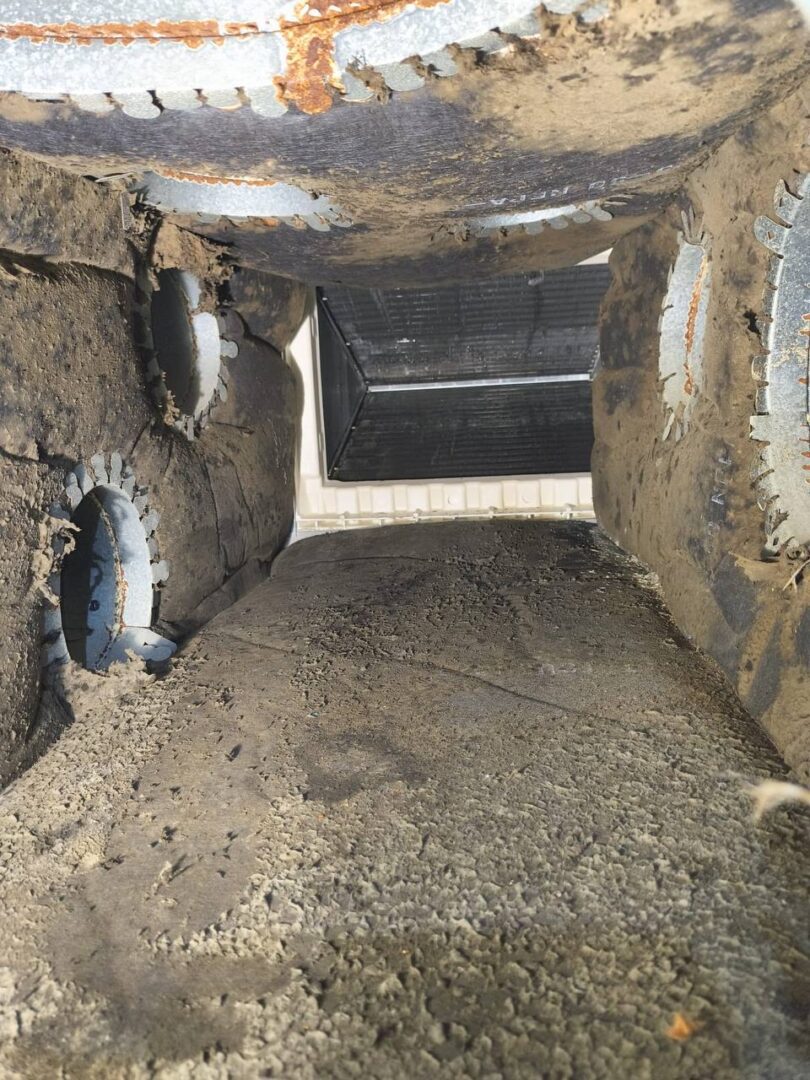
Houston’s spring HVAC checklist should cover refrigerant levels, coil cleaning, condensate drain lines, thermostat calibration, and one step that never appears on an AC company’s list: professional duct cleaning. Your HVAC technician won’t recommend it — not because it doesn’t matter, but because it’s not what they do. Here’s what the complete spring checklist looks like for Houston homeowners, and why the window between now and summer is the highest-stakes moment of the year to get the duct system cleaned.
Why Houston Homeowners Need a Different Spring HVAC Checklist Than the Rest of the Country
Most spring HVAC guides are written for climates where summer means 85°F for two months. Houston’s summer means 95°F and 80% humidity for four months — with an HVAC system that runs 14 to 16 hours a day from June through September.
That changes the math on every item in the spring checklist:
- Filter changes that might last 3 months elsewhere need to happen every 4–6 weeks during Houston’s peak pollen and summer run season
- Coil cleaning matters more in Houston’s humid environment because dirty coils in high-humidity conditions seed biological growth faster than in dry climates
- Duct cleaning that might be deferred in a drier city becomes urgent here because Houston’s spring pollen load — cedar from December through February, oak from March through April — accumulates on blower wheel fins and duct surfaces across a longer, more intense season than almost anywhere else in the country
By the time Houston’s first 95°F day arrives, your HVAC system should be operating on clean interior components. Spring is the last window to make that happen before the system runs at full intensity for the next four months.
The Complete Houston Spring HVAC Checklist
1. Replace or Upgrade Your Air Filter
Change to a new filter before peak spring pollen hits its highest concentration (late March through April for oak pollen). For homes with allergy-sensitive occupants, consider upgrading to a MERV 11–13 filter during this window. Check and replace again in May before summer run cycles begin.
What a filter doesn’t do: it doesn’t clean the blower wheel, duct walls, or air handler interior. Those components require a separate service that filters never address.
2. Schedule a Professional AC Tune-Up
An annual tune-up from a licensed HVAC technician should cover refrigerant charge verification, electrical connections, contactor and capacitor inspection, evaporator and condenser coil cleaning, and condensate drain clearing. This is standard preventive maintenance that extends equipment life and prevents mid-summer breakdowns.
What a tune-up typically doesn’t cover: the ductwork interior and the blower wheel — both of which are separate systems from the mechanical components an HVAC tech services.
3. Clear the Condensate Drain Line
Houston’s humidity means condensate systems work harder than in drier climates. A clogged condensate drain during a July heat wave causes water damage and system shutdown. Flush the drain line with a dilute bleach solution or compressed air before summer.
4. Inspect and Clean the Outdoor Condenser Unit
After winter and early spring, debris accumulates around and inside the condenser. Clear vegetation within 2 feet of the unit and gently rinse the coil fins from the inside out. Do not use a pressure washer — it damages the fins.
5. Have Your Air Ducts Professionally Cleaned — NADCA Standard
This is the step every AC company’s spring checklist omits — because duct cleaning is a separate trade from HVAC mechanical service.
By late March, Houston HVAC systems have run through the full cedar pollen season (December through February) and the first weeks of oak pollen season (March through April). That accumulation sits on blower wheel fins, duct walls, and air handler surfaces. Post-rain humidity — common in March and April — deposits moisture on those pollen-coated surfaces, creating conditions for mold growth before summer’s sustained humidity arrives.
A NADCA-standard source-removal cleaning physically extracts that contamination. It is not a vent vacuuming or an air sweep. AH-CHOO! Indoor Air Quality has been NADCA certified for 38 years. Every Houston residential job is a dedicated full-day service — approximately seven hours — covering all supply and return ductwork, the blower wheel and air handler interior, the evaporator coil area, and all registers and grilles.
One job per day. That’s what thorough source removal actually requires.
Related: What blower wheel cleaning covers and why most companies skip it | Why Houston spring rain makes HVAC mold risk worse
6. Test Your Thermostat and Zoning Controls
Switch from heating to cooling mode and verify the system responds correctly. If you have a programmable or smart thermostat, update your summer schedule — Houston summer start-of-day cooling typically needs to begin earlier than most factory presets assume.
When Is the Right Time to Do All of This?
The optimal window is March through mid-May — after the worst of cedar pollen season and before the first sustained heat weeks.
For duct cleaning specifically, the case for acting now is strongest: oak pollen is at or near its seasonal peak as of late March, spring rain events are frequent, and the summer humidity that amplifies any existing mold growth in contaminated ductwork is 6 to 8 weeks away. Cleaning the duct system now removes this season’s accumulation before it becomes a summer problem.
Also see: What Houston spring pollen does to your HVAC system | Is duct cleaning worth it in Houston during spring allergy season?
Schedule a free duct inspection →
Frequently Asked Questions
What should be on a Houston spring HVAC checklist?
A complete Houston spring HVAC checklist includes: (1) air filter replacement, (2) professional AC tune-up covering refrigerant, coils, drain line, and electrical components, (3) outdoor condenser cleaning, (4) thermostat testing and summer schedule update, and (5) professional NADCA-standard duct cleaning to remove the spring pollen accumulation that mechanical tune-ups don’t address. Houston’s extended allergy season and extreme summer run cycles make duct cleaning more time-sensitive here than in most U.S. cities.
Why don’t AC companies include duct cleaning on their spring checklists?
Duct cleaning is a separate trade from HVAC mechanical service. AC technicians service refrigerant, electrical components, coils, and thermostats — they don’t clean the interior of the duct system or the blower wheel. It’s not that they’re withholding information; it’s simply outside their service scope. A NADCA-certified source-removal company handles what the AC tech leaves behind.
How does Houston’s spring pollen season affect air ducts?
Houston’s back-to-back cedar pollen season (December through February) and oak pollen season (March through April) deposit organic material on blower wheel fins, duct walls, and air handler surfaces. Post-rain humidity events, common in spring, introduce moisture to those pollen-coated surfaces. Before summer’s sustained humidity arrives, professional duct cleaning removes this compound accumulation and eliminates the conditions for biological growth inside the system.
How long does a professional NADCA duct cleaning take in Houston?
A thorough NADCA source-removal cleaning of a full residential HVAC system takes approximately seven hours. Companies completing multiple jobs in a day are not spending adequate time on the blower wheel and mechanical components — which is where seasonal accumulation concentrates most heavily. AH-CHOO! Indoor Air Quality schedules one job per day per crew.
When should Houston homeowners get a free duct inspection?
The spring window — March through May — is the highest-value timing for a duct inspection in Houston. This is when the system has accumulated the full year’s pollen load and before summer’s 16-hour daily run cycles begin. A free inspection can confirm whether the current buildup warrants cleaning before summer.
AH-CHOO! Indoor Air Quality is NADCA certified and has served Houston homeowners for 38 years. Contact us for a free inspection.
Related AH-CHOO resources: Houston air duct cleaning; schedule a free inspection.