Meta Description: Your Houston nursery needs clean air most. This checklist covers duct cleaning, mold risks, and HVAC steps new parents must take before baby comes home.
“`json
{
“@context”: “https://schema.org”,
“@graph”: [
{
“@type”: “Article”,
“@id”: “https://ahchooindoorair.com/blog/baby-nursery-air-quality-houston”,
“headline”: “Preparing Your Nursery: Air Quality Checklist for Houston Parents”,
“description”: “Your Houston nursery needs clean air most. This checklist covers duct cleaning, mold risks, and HVAC steps new parents must take before baby comes home.”,
“url”: “https://ahchooindoorair.com/blog/baby-nursery-air-quality-houston”,
“datePublished”: “2026-03-26”,
“dateModified”: “2026-03-26”,
“author”: {
“@type”: “Organization”,
“name”: “AH-CHOO! Indoor Air Quality”,
“url”: “https://ahchooindoorair.com”
},
“publisher”: {
“@type”: “Organization”,
“name”: “AH-CHOO! Indoor Air Quality”,
“logo”: {
“@type”: “ImageObject”,
“url”: “https://ahchooindoorair.com/logo.png”
}
}
},
{
“@type”: “FAQPage”,
“mainEntity”: [
{
“@type”: “Question”,
“name”: “Why is air quality especially important in a baby’s nursery?”,
“acceptedAnswer”: {
“@type”: “Answer”,
“text”: “Infants breathe 2-3 times faster than adults and spend up to 18 hours per day in their nursery. Their developing lungs and immune systems are significantly more vulnerable to airborne contaminants than adult lungs. Mold spores, fine particulate matter, and allergens that cause minor discomfort in adults can cause significant harm to infants.”
}
},
{
“@type”: “Question”,
“name”: “When should I have duct cleaning done before a new baby?”,
“acceptedAnswer”: {
“@type”: “Answer”,
“text”: “Ideally, have duct cleaning completed at least 2-3 weeks before your due date. This allows time for any residual dust stirred during cleaning to settle and be cleared. Cleaning during the second trimester, when you’re most comfortable, is a practical approach that ensures the system is clean well before baby arrives.”
}
},
{
“@type”: “Question”,
“name”: “Is mold in the nursery duct dangerous for babies?”,
“acceptedAnswer”: {
“@type”: “Answer”,
“text”: “Yes. Mold spore exposure in infants is associated with increased risk of respiratory infections, early-onset asthma, and hypersensitivity pneumonitis. Houston’s humid climate makes mold colonization inside flex duct systems relatively common. A duct inspection and cleaning before the baby arrives is one of the most important air quality steps new parents can take.”
}
},
{
“@type”: “Question”,
“name”: “What VOCs should I avoid in the nursery?”,
“acceptedAnswer”: {
“@type”: “Answer”,
“text”: “Fresh paint, new furniture, new carpet, and mattresses off-gas VOCs including formaldehyde, benzene, and toluene. Choose low-VOC or zero-VOC paints, ventilate new furniture before placing it in the nursery, and allow the room to air out for several weeks before the baby arrives. Avoid painting or installing new flooring close to the due date.”
}
},
{
“@type”: “Question”,
“name”: “Does a HEPA air purifier replace duct cleaning for a nursery?”,
“acceptedAnswer”: {
“@type”: “Answer”,
“text”: “No. A HEPA air purifier cleans the air in one room and can be beneficial as an additional measure. But it doesn’t remove contamination inside the duct system that continues delivering pollutants through the supply register. For a nursery, addressing the duct system is the foundational step — a purifier then manages residual and ongoing particle loads.”
}
}
]
}
]
}
“`
New parents preparing a nursery in Houston focus on paint colors, crib safety, and the perfect monitor. Very few think about what’s inside their duct system — and yet the air quality in that room is one of the most meaningful factors in their infant’s early respiratory health.
Babies are not simply small adults. Their lungs are still developing, their immune systems are immature, and they’re uniquely vulnerable to airborne contaminants. They also spend far more time than adults in a single indoor space — often up to 18 hours per day in their nursery. Getting that room’s air quality right matters more than most parents realize.
Here’s a complete checklist for Houston parents preparing the healthiest possible air environment for a new baby.
Why Houston Specifically Presents Challenges
Before diving into the checklist, understanding Houston’s specific air quality context matters.
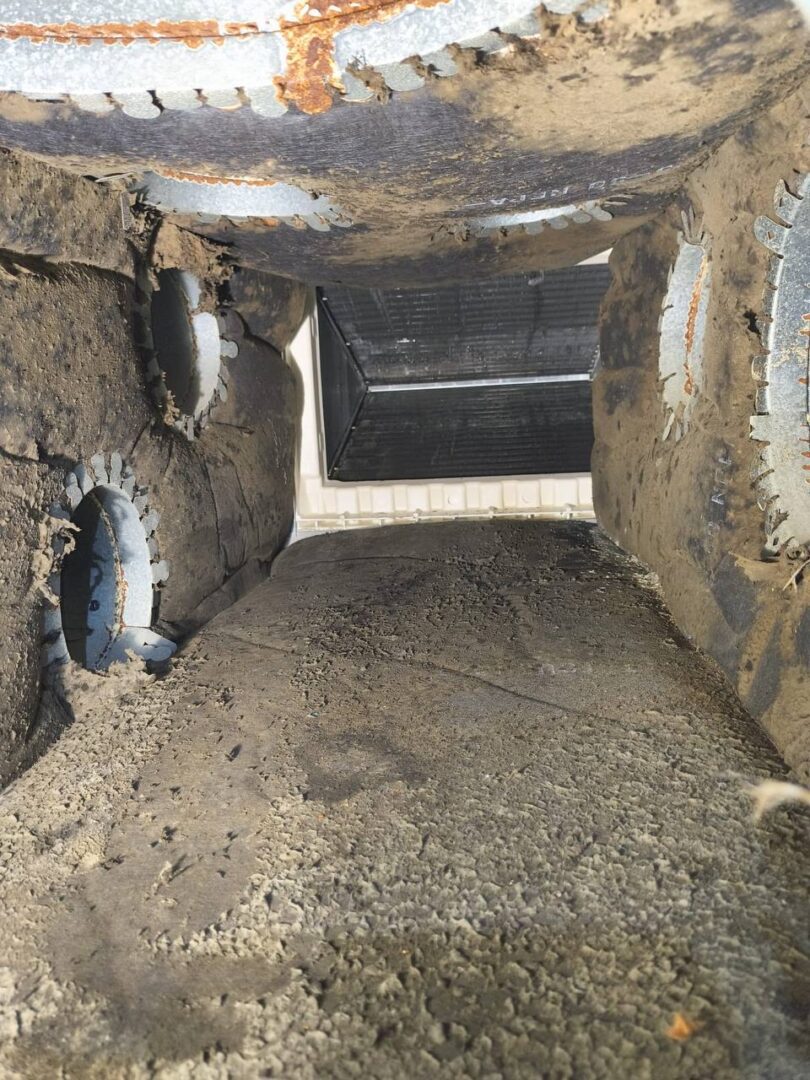
Houston’s humidity creates conditions where mold grows aggressively inside duct systems. The flex duct systems standard in Houston homes since the 1990s are particularly susceptible — the porous liner material retains moisture and supports biological growth. In a home that hasn’t had professional duct cleaning in several years, mold growth inside the duct system is not unusual.
The city’s allergen load is among the highest in the country. When your duct system draws outdoor air in and circulates it, it concentrates these allergens indoors. Infants whose immune systems are first encountering these exposures may be more susceptible to sensitization.
The long AC season means ducts run near-continuously, meaning contamination distributes continuously and accumulates at a higher rate than in cooler climates.
The Nursery Air Quality Checklist
✅ 1. Professional Duct Cleaning Before the Baby Arrives
This is the foundational step — the one that addresses the actual delivery system bringing air into the nursery. If your home’s ducts haven’t been professionally cleaned in the past three years, doing this before the baby comes home is the highest-impact air quality action you can take.
[Residential duct cleaning](https://ahchooindoorair.com/residential-duct-cleaning) takes approximately 7 hours for a complete system. Schedule it during the second trimester, at least 2-3 weeks before your due date, to allow any minor residual dust from the process to settle.
What you’re removing: years of accumulated dust, pollen, pet dander, debris from normal use, and potentially mold or pest evidence depending on your home’s history. Every supply register in your home — including the one in the nursery — delivers cleaner air after this step.
✅ 2. Duct Inspection for Mold
Separately from the cleaning itself, ensure the duct system is inspected for biological growth. Our NADCA-certified technicians identify mold during the cleaning process, but if there’s any indication of water damage, unusual odors, or visible staining near registers, specifically request evaluation.
If active mold is found inside the duct system, [mold remediation](https://ahchooindoorair.com/mold-remediation) should be completed before the baby comes home — not just duct cleaning. Mold colonies that are disturbed without proper remediation can temporarily increase spore counts before decreasing them.
We encountered this situation with a couple in Sugar Land. Their duct inspection prior to delivery revealed active mold growth in two flex duct runs near the nursery room. We completed remediation and cleaning four weeks before the due date. They had a clean system ready to go when they brought their daughter home.
✅ 3. Filter Upgrade
Standard MERV-8 filters are not the appropriate choice for a home with an infant. Upgrade to MERV-11 at minimum, MERV-13 if your system’s airflow allows. These filters capture fine particles in the 1-3 micron range that standard filters pass through.
Verify with your HVAC contractor that your air handler can support the increased filter resistance without reducing airflow below design levels.
Change the filter immediately after duct cleaning with a fresh filter, then follow a 30-45 day replacement schedule for the first year.
✅ 4. Evaluate and Reduce VOC Sources in the Nursery
Infants are particularly sensitive to VOCs. Sources in a newly prepared nursery include:
Paint: Fresh paint off-gasses for weeks. Use low-VOC or zero-VOC paint, and complete painting at least 4 weeks before the due date. Keep the nursery well-ventilated during and after painting.
New furniture: Cribs, dressers, and changing tables made with composite wood products off-gas formaldehyde. Place new furniture in the nursery several weeks before the baby arrives, keep windows open when possible, and allow the room to air out.
New carpet or flooring: Carpet and adhesives off-gas significantly for the first several weeks. If installing new flooring in the nursery, complete it at least 4-6 weeks before the due date.
Mattresses: Crib mattresses vary widely in off-gassing. Look for GREENGUARD Gold certified mattresses, which have lower VOC emissions.
✅ 5. Check for and Address Moisture Issues
Moisture is the prerequisite for mold. In Houston’s climate, potential moisture sources in a nursery include:
- Exterior walls with inadequate vapor barrier or insulation
- Windows with condensation
- Supply registers with condensation during high-humidity periods
- Bathroom adjacency with inadequate ventilation
Visible discoloration on walls or ceiling, peeling paint, or musty odors when you enter the room are red flags requiring investigation before the baby arrives.
✅ 6. Verify Register Placement and Airflow
The supply register in the nursery is where the duct system delivers air directly into the space. Before the baby arrives:
- Clean the register grille thoroughly
- Ensure it’s not positioned directly over the crib
- Verify it’s not blowing cold air directly onto the sleeping area
- Check that the return air grille in or near the nursery is clean and unobstructed
✅ 7. Consider a HEPA Air Purifier as a Supplement
A quality HEPA air purifier in the nursery provides an additional layer of particle filtration — useful as a supplement to a clean duct system, not a replacement for one.
Look for a purifier sized appropriately for the nursery square footage, with a true HEPA filter and an activated carbon layer for VOC reduction. Run it continuously at a low setting rather than intermittently at high.
Avoid ionizing or ozone-generating purifiers — ozone is a respiratory irritant and is particularly inappropriate for an infant’s room.
✅ 8. Test and Maintain Appropriate Humidity
Houston’s humidity makes this unusual advice, but maintaining indoor relative humidity between 40-50% reduces both dust mite populations and mold viability. Your AC system handles much of this, but in a humid Houston summer, humidity may still be elevated indoors.
A hygrometer in the nursery tells you the actual indoor level. If humidity consistently exceeds 55-60%, consider a dehumidifier as a secondary measure.
The Most Important Step
Parents invest considerable time and expense in nursery safety — organic mattresses, video monitors, safe-sleep products. The air quality investment is comparably important and often more overlooked.
The single most impactful thing you can do for your Houston nursery’s air quality is have the duct system professionally inspected and cleaned before baby arrives. It addresses the delivery mechanism for air quality throughout the entire home, including the nursery.
The inspection is free. Schedule it early enough to complete cleaning well before your due date.
[Book your free inspection at crm.ahchooindoorair.com/book](https://crm.ahchooindoorair.com/book)
Frequently Asked Questions
Why is air quality especially important in a baby’s nursery?
Infants breathe 2-3 times faster than adults and spend up to 18 hours per day in their nursery. Their developing lungs and immune systems are significantly more vulnerable to airborne contaminants than adult lungs. Mold spores, fine particulate matter, and allergens that cause minor discomfort in adults can cause significant harm to infants.
When should I have duct cleaning done before a new baby?
Ideally, have duct cleaning completed at least 2-3 weeks before your due date. This allows time for any residual dust stirred during cleaning to settle and be cleared. Cleaning during the second trimester, when you’re most comfortable, is a practical approach that ensures the system is clean well before baby arrives.
Is mold in the nursery duct dangerous for babies?
Yes. Mold spore exposure in infants is associated with increased risk of respiratory infections, early-onset asthma, and hypersensitivity pneumonitis. Houston’s humid climate makes mold colonization inside flex duct systems relatively common. A duct inspection and cleaning before the baby arrives is one of the most important air quality steps new parents can take.
What VOCs should I avoid in the nursery?
Fresh paint, new furniture, new carpet, and mattresses off-gas VOCs including formaldehyde, benzene, and toluene. Choose low-VOC or zero-VOC paints, ventilate new furniture before placing it in the nursery, and allow the room to air out for several weeks before the baby arrives. Avoid painting or installing new flooring close to the due date.
Does a HEPA air purifier replace duct cleaning for a nursery?
No. A HEPA air purifier cleans the air in one room and can be beneficial as an additional measure. But it doesn’t remove contamination inside the duct system that continues delivering pollutants through the supply register. For a nursery, addressing the duct system is the foundational step — a purifier then manages residual and ongoing particle loads.
Related Service Areas
- Why Allergies Get Worse Indoors in Houston
- Indoor Allergies in Houston — What You Can Do
- Asthma and Indoor Air Quality in Texas
- Elderly Indoor Air Quality in Houston
Related AH-CHOO resources: Houston air duct cleaning; schedule a free inspection.