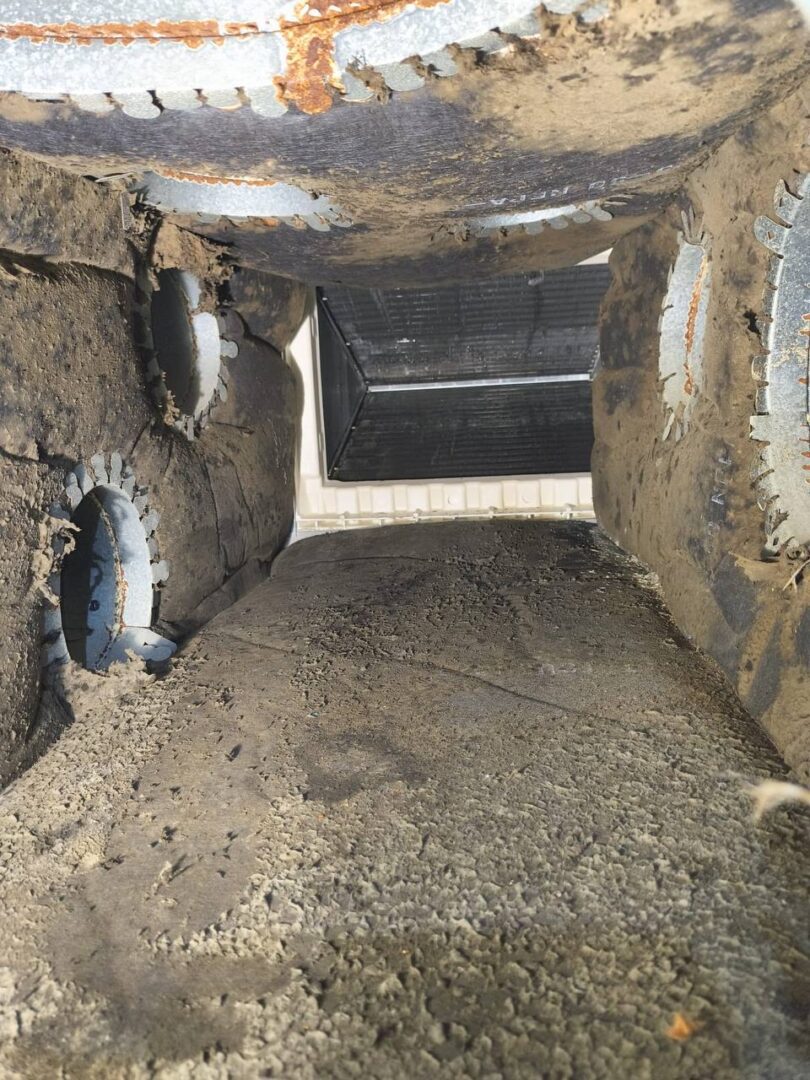
If you wanted to design the perfect environment to destroy air ductwork, you'd design a Houston attic.
140°F summer temperatures. 90%+ relative humidity. Tropical rain events that send water through any available opening. An environment that sees these extremes for nine or ten months a year, with barely a reprieve in the mild months before it starts again.
Most Houston homeowners have never seen the inside of their attic in August. If they had — and if they could see the ductwork routed through it — they'd understand immediately why mold in attic ductwork is one of the most common and most serious indoor air quality problems we encounter across the Houston market.
After 38 years of inspecting Houston homes, our NADCA-certified team has seen what this city's attics do to ductwork, and we understand the specific mechanisms at work. Here's a complete picture of the problem and what actually solves it.
The Houston Attic: An Extreme Environment by Any Measure
Houston's residential attic spaces rank among the most extreme building environments in the continental United States. During summer months:
- Temperature: Attic air temperatures regularly reach 140°F–160°F, with radiant heat from roofing materials pushing surface temperatures even higher
- Humidity: Attic relative humidity frequently exceeds 90% in Houston's humid climate, even with standard ridge and soffit ventilation
- Duration: These extreme conditions persist for 9–10 months annually; there is no prolonged cool, dry period that allows the attic environment to "reset"
The implication for ductwork is straightforward: ducts in Houston attics face a relentless cycle of thermal stress and humidity exposure that accelerates every failure mode — insulation degradation, connection failure, condensation, and ultimately mold growth.
The Three Failure Mechanisms That Lead to Attic Duct Mold
1. Insulation Degradation and Cold Surface Exposure
Flex duct insulation in Houston attics typically has a rated R-value of R-6 or R-8. What it has in practice, after years of Houston attic conditions, is often significantly less. Insulation compresses over time — particularly at support points and where ducts sag — reducing effective R-value and creating cold spots where the duct surface is poorly protected from the hot attic environment.
At these cold spots, the temperature differential between the 55°F conditioned air inside and the 140°F attic air outside drives condensation directly on the outer duct surface. This condensation eventually migrates through compromised insulation to the duct interior, creating persistent moisture on interior surfaces.
2. Connection and Seam Failure
Attic duct connections — where flex duct attaches to supply plenums, trunk takeoffs, and ceiling boots — are under constant mechanical stress. Thermal expansion and contraction cycles over Houston's extreme temperature swings gradually loosen connections, gap seams, and work mastic sealant loose from metal surfaces.
Failed connections are entry points for hot, humid attic air to infiltrate the duct interior. A half-inch gap at a takeoff fitting can introduce significant volumes of 90%-humidity attic air into the cold duct interior with every system cycle. That air condenses on cool duct walls and creates localized moisture accumulation at the connection point.
3. Flex Duct Sag and Moisture Pooling
Flex duct requires proper support at regular intervals to maintain its design configuration. Over time, support straps loosen, attachment points fail, or the duct weight shifts. The resulting sags create low points in the duct run where condensation droplets collect.
In a Houston attic over a summer, these sag points can accumulate enough water to create visible pooling inside the duct. This water sits in contact with accumulated debris on the duct liner, creating the perfect mold incubation environment — warm, dark, wet, and nutrient-rich.
Why Attic Duct Mold Is Different From Other Duct Mold
Mold anywhere in a duct system is a problem. But mold in attic duct runs has particular characteristics that make it especially serious:
High volume of duct surface area: In most Houston homes, the majority of supply ductwork runs through the attic. This means attic duct mold isn't limited to one section of the system — it can involve dozens or hundreds of linear feet of contaminated duct surface.
Proximity to ceiling registers: Attic supply ducts terminate at ceiling registers in the living space. Mold growth in attic duct runs is delivered directly downward into the room through ceiling registers with every air cycle — making contamination delivery particularly efficient.
Difficult access for cleaning: Attic ductwork is far less accessible than ductwork in conditioned spaces. Reaching the full run of attic ductwork for thorough mechanical cleaning requires experienced technicians with appropriate tools and a willingness to work in extreme conditions. This is one reason why some duct cleaning operations do incomplete work on attic systems.
Signs That Your Attic Ducts Have a Problem
Because attic ductwork is invisible from living spaces, the signals are indirect:
Musty odors specifically when the HVAC runs: As with all duct mold, the first external signal is usually the smell — earthy, musty, delivered by the airstream into every room when the system operates.
Dark staining or discoloration around ceiling registers: Ceiling registers — particularly those with consistent cool air delivery — can show condensation-related discoloration or mold staining at their edges. This reflects the temperature differential at the register opening.
Allergy or respiratory symptoms at home: When attic duct mold is extensive, spore concentrations throughout the home can be elevated enough to produce noticeable health symptoms in sensitive household members.
Visible moisture or water damage on ceilings near duct runs: In severe condensation cases, moisture from duct exterior surfaces can wick through ceiling drywall, producing visible staining or even dripping. This is an advanced symptom that indicates significant condensation has been occurring for an extended period.
Warm spots or reduced airflow from ceiling registers: Failed duct connections in the attic can reduce airflow through individual runs and allow hot attic air to enter the system, reducing cooling effectiveness to specific rooms.
What Proper Remediation Involves for Attic Ducts
Professional duct cleaning of Houston attic ductwork is a demanding job that requires both the right equipment and the right approach to the attic environment. Our NADCA-certified team typically dedicates approximately 7 hours to a complete residential job — and attic-heavy systems require full access to every run.
Pre-work assessment: Camera inspection of accessible attic duct sections documents mold presence, connection failures, and areas of insulation damage. This scoping work ensures the cleaning addresses the full extent of the problem.
Negative air pressure establishment: Before any mechanical cleaning begins, the duct system is put under negative air pressure. This is the containment step that prevents spores from being released into living spaces during cleaning.
Mechanical cleaning: NADCA-standard agitation tools combined with high-powered HEPA vacuum extraction remove debris and mold colonies from duct interior surfaces throughout the accessible system — including attic runs.
Connection repair assessment: Our inspection identifies connection failures and deteriorated insulation that should be addressed after cleaning to prevent moisture recurrence.
Antimicrobial treatment: EPA-registered antimicrobials are applied to cleaned surfaces to address residual contamination.
If mold growth is extensive, mold remediation protocols — including potential replacement of severely compromised flex duct sections — may be required beyond standard cleaning.
The Long-Term Solution: Managing the Attic Environment
For Houston homes with recurring attic duct mold problems, the long-term solution involves addressing the attic environment, not just the duct system:
Improved attic ventilation: Proper ridge and soffit ventilation reduces attic temperatures and humidity. For some Houston homes, adding powered attic ventilators or radiant barriers can meaningfully reduce the thermal stress on ductwork.
Duct insulation upgrade: Upgrading attic duct insulation to R-8 or higher, and ensuring insulation is in good condition, reduces condensation frequency and severity.
Duct sealing: Sealing all connections with mastic sealant eliminates the primary pathway for humid attic air to infiltrate the duct interior.
Annual inspections: Given Houston's attic conditions, annual inspections of attic ductwork are the only way to catch insulation and connection degradation before it produces a mold problem.
Don't Let the Attic Stay a Mystery
Most Houston homeowners check their attics rarely, if ever. But what's happening up there — and inside the ducts running through it — directly affects the air quality of every room in your home.
Book your free inspection at crm.ahchooindoorair.com/book
Our NADCA-certified team will get into your attic, inspect your ductwork, and give you an honest assessment of what they find. 38 years of Houston inspections means we know exactly what extreme attic conditions do to ductwork — and exactly what it takes to fix it.
Frequently Asked Questions
Why are ducts in Houston attics prone to mold?
Houston attics reach 140°F–160°F in summer with humidity that can exceed 90%. Ductwork in these spaces is constantly exposed to extreme temperature differentials between cold conditioned air inside and scalding humid air outside. This creates persistent condensation on duct surfaces, accelerated insulation degradation, and ideal conditions for mold growth inside the duct system.
How can I tell if my attic ducts have mold?
Signs include musty odors when the HVAC system runs, dark staining around ceiling registers, allergy or respiratory symptoms that worsen at home, and visible moisture damage or discoloration on ceiling surfaces below duct runs. Camera inspection of accessible attic ductwork is the definitive assessment method.
Should I move my ducts out of the attic to prevent mold?
For homes with severe or recurring duct mold problems, moving ductwork to conditioned space (inside the thermal envelope) is the most effective long-term solution. However, this is a major renovation project. For most homeowners, maintaining proper duct insulation, sealing duct leaks, and scheduling regular professional inspections and cleanings is the practical approach.
How often should attic ducts in Houston be inspected?
Annual inspection of attic ductwork is strongly recommended for Houston homes. The extreme attic environment deteriorates insulation and connections faster than in milder climates. Pre-season inspections before Houston's summer heat peak give you the best opportunity to identify and address problems before the worst conditions arrive.
What type of duct is best for Houston attics?
In Houston's climate, properly insulated rigid duct (sheet metal with external insulation wrap) generally outperforms flex duct in attic installations because it maintains its shape, has fewer connection failure points, and doesn't develop sag-related condensation accumulation. However, any duct type in a Houston attic requires adequate insulation (R-8 minimum), sealed connections, and regular inspection.
Related Reading
Related AH-CHOO resources: Houston air duct cleaning; schedule a free inspection.