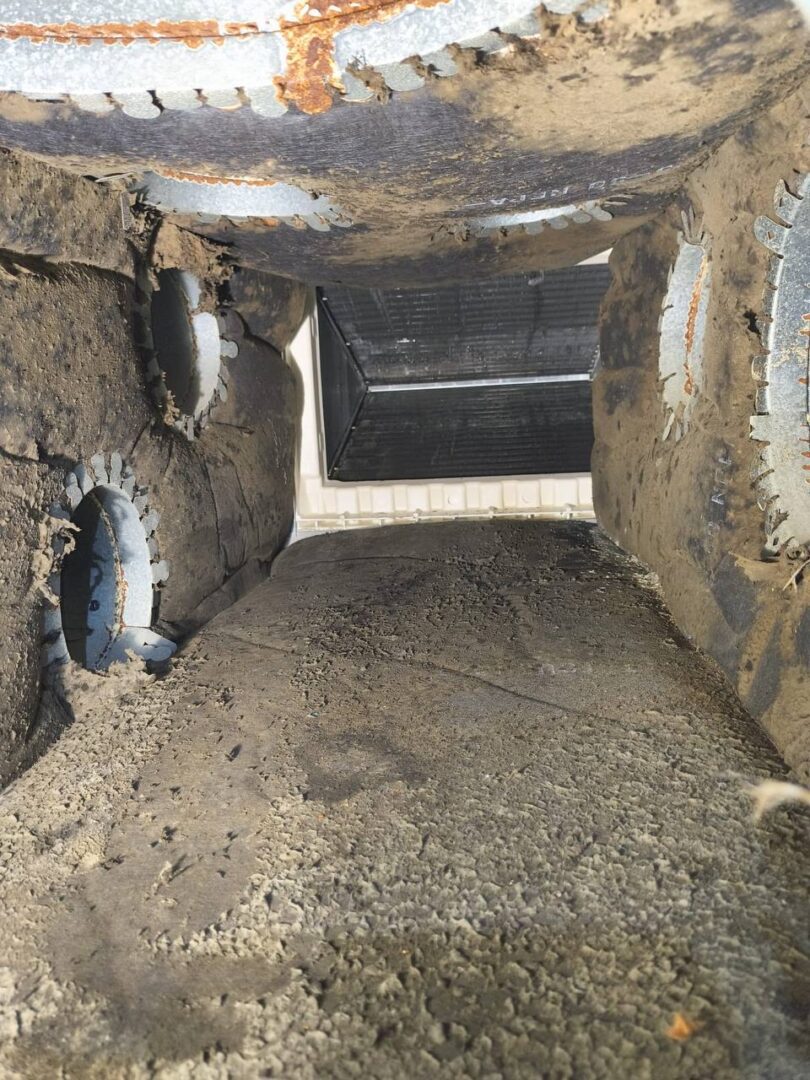
San Antonio — Texas’s second-largest city and one of the fastest-growing metros in the United States — has a unique indoor air quality profile that sets it apart from both Houston’s coastal humidity and Austin’s construction boom. The combination of Hill Country geology, a semi-arid climate, heavy I-35 commuter traffic, and rapid suburban expansion creates specific IAQ challenges that San Antonio homeowners need to understand.
This guide covers the factors that make San Antonio’s IAQ distinct — from limestone dust and cedar fever season to the I-35 construction corridor — and explains when professional duct cleaning can meaningfully improve your home’s air quality.
What Makes San Antonio Indoor Air Quality Unique
San Antonio sits at the transition between the humid Gulf Coastal Plain and the drier Texas Hill Country, creating a unique IAQ environment:
- Hill Country limestone dust: San Antonio’s geological foundation is the Edwards Plateau limestone formation. This produces fine, alkaline dust that easily infiltrates homes through door seals and windows. Unlike the clay-based dust of Houston, limestone dust is more abrasive and can accelerate HVAC component wear.
- I-35 commute corridor PM2.5: The I-35 corridor through San Antonio carries massive commuter and freight traffic. As the primary NAFTA trade route from Mexico to the interior US, I-35 sees constant diesel truck traffic that generates PM2.5 along the entire urban corridor. Homes near I-35, Loop 1604, and US-281 experience higher particulate infiltration.
- Cedar/Juniper pollen (cedar fever): San Antonio sits in the heart of Texas’s Ashe juniper (mountain cedar) zone. December through February, juniper pollen releases produce “cedar fever” — an allergic reaction that affects up to 25 percent of South Texans. The fine, dust-like pollen easily penetrates HVAC filters and accumulates in ductwork.
- Slab foundation ductwork: Many San Antonio homes constructed after 1980 have ductwork running through concrete slab foundations. While this protects ducts from attic heat, slab-embedded ducts are difficult to inspect and can develop issues from soil moisture wicking through the concrete.
- Rapid suburban expansion: Areas like Stone Oak, Alamo Heights, Helotes, Schertz, and Converse are experiencing significant development. Construction dust from new home building, road widening, and commercial development infiltrates existing homes’ HVAC systems.
Common San Antonio Indoor Air Pollutants
San Antonio homeowners face a specific set of indoor pollutants that differ significantly from other Texas metros:
- Limestone dust (PM10): Fine alkaline dust from the Edwards Plateau is ubiquitous in San Antonio homes. It appears as a fine white-gray powder on surfaces and is more abrasive than typical house dust.
- Diesel PM2.5 from I-35 and I-10: The convergence of two major interstate highways creates concentrated diesel particulate exposure, especially in neighborhoods within a half-mile of these corridors.
- Juniper/cedar pollen: December-February, Ashe juniper pollen counts in San Antonio can exceed 10,000 grains per cubic meter — classified as “extremely high.” This fine, lightweight pollen penetrates standard HVAC filters and recirculates indoors.
- Construction dust from suburban expansion: Active development across the SA metro generates drywall, concrete, and framing particulates that affect nearby neighborhoods.
- Mold spores from occasional humidity: While San Antonio is drier than Houston, summer humidity peaks (60-70%) combined with occasional flooding events (2015 Memorial Day, 2021 winter storm pipe bursts) can create conditions for microbial growth in ductwork.
How Cedar Fever Season Affects San Antonio IAQ
Cedar fever — the allergic reaction to Ashe juniper pollen — is one of the most distinctive IAQ challenges for San Antonio homeowners:
- Peak season (December-February): San Antonio’s cedar pollen season runs from mid-December through February, with peak release occurring on dry, windy days after cold fronts. During peak events, the sky can appear hazy from concentrated juniper pollen.
- Indoor infiltration: Juniper pollen grains are extremely small (approximately 20-25 microns) and easily pass through standard HVAC filters rated MERV 4-6. Homes with duct leaks or poor window sealing see the highest indoor pollen levels during peak season.
- Duct accumulation: Over multiple cedar seasons, juniper pollen accumulates in ductwork, creating a reservoir that can be disturbed each time the HVAC system turns on. Professional duct cleaning every 3-5 years helps remove accumulated pollen from the duct system.
- Filtration upgrade recommendation: Upgrading to MERV 11 filters during cedar season (December-February) can capture the majority of juniper pollen before it recirculates. Running the HVAC fan continuously during peak pollen days further improves indoor air quality.
Why San Antonio Suburbs Have Different IAQ Profiles
San Antonio’s diverse geography means IAQ challenges vary significantly by neighborhood and suburb:
- Alamo Heights / Olmos Park: These older, established neighborhoods near downtown have mature tree canopies that produce heavy leaf litter and seasonal pollen. Many homes have older ductwork with degraded insulation that may contain asbestos in pre-1980 constructions.
- Stone Oak / North SA: This rapidly growing area near Loop 1604 and US-281 faces construction dust from ongoing development and diesel PM2.5 from heavy commuter traffic. Newer homes have zoned HVAC with more duct surface area.
- Helotes / Northwest SA: The Hill Country terrain means more limestone dust exposure and wildfire smoke risk during dry months. Homes backing to greenbelts face higher mold spore counts from oak-juniper woodland moisture.
- Schertz / I-35 North: This fast-growing corridor between SA and Austin sees the heaviest I-35 construction and truck traffic. Homes along this corridor have the highest diesel PM2.5 exposure in the metro area.
- Converse / Live Oak (East SA): Proximity to Randolph Air Force Base means occasional airfield particulate exposure. These areas also have older housing stock with potentially degraded ductwork.
When San Antonio Homeowners Should Consider Duct Cleaning for Better IAQ
Not every home needs duct cleaning, but these situations make it a high-value investment for San Antonio homeowners:
- If you live near I-35, I-10, or Loop 1604 and notice dark register dust: Diesel PM2.5 from heavy traffic accumulates in ductwork and produces dark, oily soiling on supply registers.
- If seasonal cedar fever symptoms worsen indoors: Significant juniper pollen accumulation in ducts can prolong allergy symptoms beyond the outdoor pollen season.
- Near active construction zones (Stone Oak, Schertz, Helotes): Construction dust in ductwork can recirculate for years after nearby development completes.
- If you have slab-embedded ductwork with musty odors: Slab ducts can wick soil moisture and develop microbial growth that is invisible during a standard visual inspection.
- Following the NADCA-recommended 3-5 year cleaning cycle: Given San Antonio’s limestone dust and pollen loads, annual inspections are a reasonable maintenance schedule.
Before scheduling cleaning, always request a thorough video inspection. A NADCA-certified company serving San Antonio will provide a detailed assessment before recommending any service.
FAQs About Indoor Air Quality in San Antonio
Q: What is the most common indoor air quality problem in San Antonio homes?
A: The most common IAQ issues in San Antonio are limestone dust infiltration (from the Hill Country geology), juniper/cedar pollen during winter months, diesel PM2.5 from I-35/I-10 traffic, and construction dust from rapid suburban expansion.
Q: How does San Antonio’s IAQ differ from Houston or Austin?
A: San Antonio is drier than Houston, so mold is less of a year-round concern, but limestone dust and cedar pollen are unique to the SA region. Compared to Austin, San Antonio has more industrial and freight traffic (I-35 NAFTA corridor) but less construction-related IAQ impact from MPC development.
Q: When is cedar fever season in San Antonio, and how does it affect indoor air?
A: Cedar fever season runs December through February, with peak juniper pollen releases on dry, windy days. Pollen infiltrates homes through normal ventilation and standard HVAC filters (MERV 4-6) allow it to recirculate. Using MERV 11 filters during cedar season significantly reduces indoor pollen levels.
Q: Does slab foundation ductwork affect IAQ in San Antonio homes?
A: Yes. Many San Antonio homes built after 1980 have ductwork embedded in concrete slab foundations. While slab ducts are protected from attic heat, they can wick soil moisture and are difficult to inspect. Musty odors near floor registers in slab-construction homes can indicate microbial growth in slab ducts.
Q: Does AH-CHOO serve the greater San Antonio area?
A: Yes. AH-CHOO provides professional air duct cleaning and IAQ services throughout the San Antonio metro area, including Alamo Heights, Stone Oak, Helotes, Schertz, Converse, Live Oak, and Boerne. All services are performed by NADCA-certified technicians using HEPA-filtered source removal equipment.
Disclaimer: AH-CHOO Indoor Air Quality provides professional duct cleaning and HVAC sanitation services. We do not perform independent air quality testing. This guide is for educational purposes and does not constitute medical advice.
Related AH-CHOO resources: schedule a free inspection.