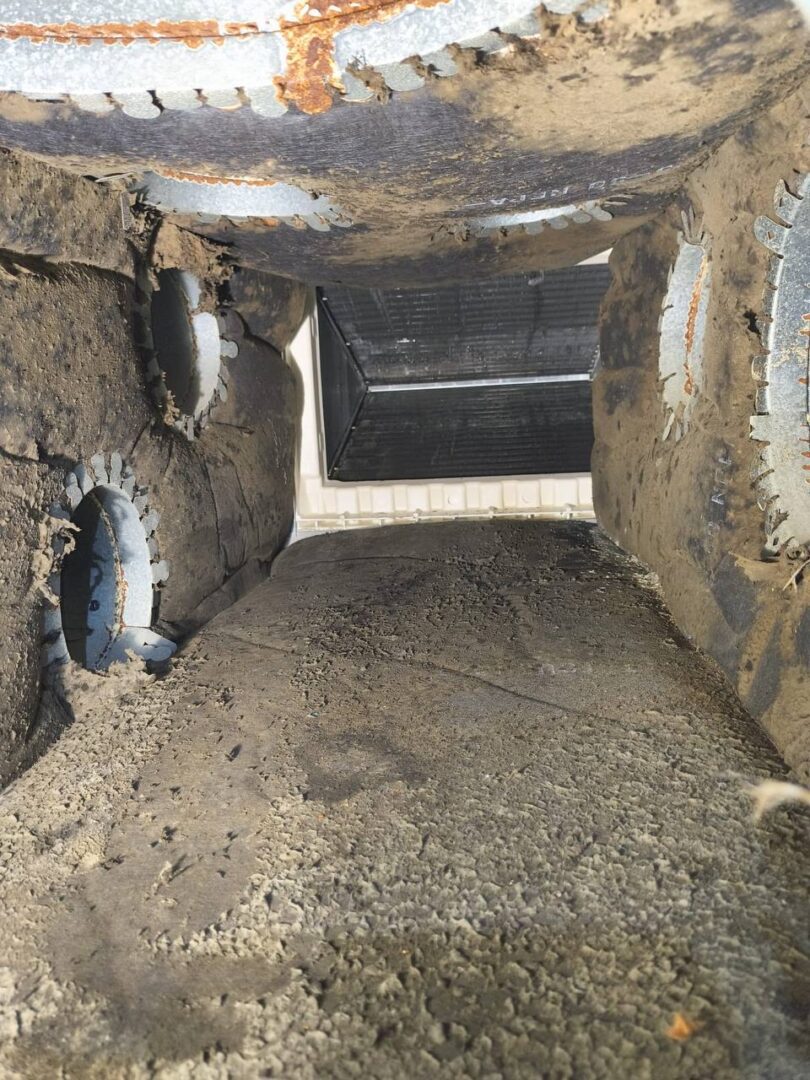
If you suspect your air ducts are dirty, AH-CHOO Houston air duct cleaning professionals can inspect and clean your system. Here is what Houston homeowners need to know about dirty ducts.
If you live in Houston and your home seems dustier than usual, rooms feel stuffy no matter how long the AC runs, or your energy bills have crept up without explanation — the culprit might be hiding inside your walls. Dirty air ducts can silently degrade your indoor comfort, strain your HVAC system, and circulate contaminants throughout your home every time the system kicks on.
This guide walks you through what dirty air ducts look like, why Houston homes are especially prone to duct contamination, and what you can do about it.
Signs Your Air Ducts May Be Dirty
Not every dusty surface means your ducts are contaminated, but these signs are strong indicators that your ductwork needs professional attention:
- Visible dust debris escaping from vents. If you see dust particles blowing out of supply registers when the HVAC fan runs, your ductwork is releasing accumulated debris into your living space.
- Unexplained musty or stale odors. Persistent smells that return shortly after cleaning often originate inside the duct system rather than in the open living area.
- Uneven heating or cooling between rooms. Blockages or heavy debris buildup can restrict airflow to certain zones, creating hot and cold spots throughout your home.
- Excessive dust settling on furniture within hours of dusting. When ducts recirculate fine particulates, surfaces accumulate dust much faster than normal.
- Visible mold growth inside the air handler or ductwork. Houston’s humidity creates ideal conditions for microbial growth in dark, cool duct environments.
- Recent home renovation or construction. Remodeling projects generate drywall dust, wood particles, and other debris that can infiltrate your duct system.
- Increased allergy symptoms among household members. Contaminated ducts can circulate pollen, dust mites, pet dander, and other indoor allergens throughout your living space.
Why Houston Homes Face Higher Duct Contamination Risks
Houston’s environment presents unique challenges for air duct cleanliness. Four factors make homes in the Greater Houston area more susceptible to duct contamination than homes in drier regions:
- High humidity year-round. With average relative humidity frequently exceeding 70%, moisture inside ductwork is a constant concern. Condensation on cooling ducts during summer months can create sustained damp conditions ideal for microbial growth.
- Frequent HVAC operation. Houston’s long cooling season means air handlers run for extended periods, drawing in more airborne particulates from both indoor and outdoor sources.
- Fine Gulf Coast dust and pollen. The region’s geology and vegetation produce fine particulate matter that easily passes through standard filters and accumulates inside ductwork over time.
- Slab foundation duct runs. Many Houston homes have ducts embedded in concrete slabs or running through unconditioned attics, both of which can introduce moisture and pest issues.
What Causes Dirty Air Ducts in Houston Homes
Particulate Buildup
Over time, dust, pollen, pet dander, and airborne debris accumulate inside ductwork. This is the most common form of duct contamination and occurs in virtually every home to some degree. The rate of accumulation depends on filter quality, HVAC runtime, household occupancy, and local outdoor air quality.
Microbial Growth
When moisture enters the duct system — from high humidity, condensation, or leaks — it creates conditions where mold and bacteria can thrive. Houston’s climate means this risk is present for much of the year, particularly in unconditioned attic spaces and crawlspaces where ducts are most vulnerable.
Pest Intrusion
Rodents, insects, and other pests occasionally find their way into ductwork, leaving behind droppings, nesting materials, and organic debris. Signs of pest activity in ducts include unusual sounds, odors, or visible evidence around vent openings.
Construction and Renovation Debris
Houston’s ongoing building boom means many homes have construction debris in their ductwork — drywall dust, wood particles, insulation fibers, and even stray materials from the building phase that were never cleaned out.
What Professional Duct Cleaning Addresses
NADCA-certified professional duct cleaning involves far more than vacuuming a few vents. A thorough cleaning includes:
- Source removal of debris from supply and return ductwork using agitation and negative air pressure
- Cleaning of the air handler compartment, blower wheel, and evaporator coil
- Filter rack and register boot cleaning
- Post-cleaning inspection to verify debris removal
- Before and after documentation of the cleaning results
The goal is to restore your duct system to a clean condition that allows proper airflow and reduces the particulate load circulating through your home.
When to Schedule an Inspection
If you’re experiencing any of the signs listed above, start with a professional inspection rather than jumping straight to cleaning. An inspection determines whether cleaning is actually needed and identifies any underlying issues such as duct leaks, insulation damage, or moisture intrusion that should be addressed first.
For Houston homeowners, scheduling an inspection at least once every two years is reasonable, with annual inspections recommended if you have pets, allergy sufferers in the household, or a home older than 15 years.
AH-CHOO! Indoor Air Quality provides professional air duct inspections and NADCA-certified cleaning services for Houston area homes. Contact us to schedule your inspection.
This article provides general information about air duct cleanliness indicators. Every home is different — a professional on-site inspection is the best way to determine your specific ductwork condition.
Frequently Asked Questions About Dirty Air Ducts in Houston
What causes air ducts to get dirty in Houston?
Houston’s hot, humid climate creates ideal conditions for duct contamination. The region’s high pollen counts, construction dust from rapid development, and humidity that promotes microbial growth all contribute. Unlike drier climates where dust settles, Houston’s moisture can bind contaminants inside ductwork.
How do I know if my Houston home has dirty air ducts?
Common signs include visible dust escaping from vents when the system runs, musty or stale odors that return quickly after cleaning, rooms that feel stuffy or have uneven temperatures, and excessive dust settling on furniture within hours of dusting.
Can dirty air ducts increase my energy bills in Houston?
Yes. When debris and buildup restrict airflow through your duct system, your HVAC unit works harder to maintain temperature. Restricted airflow forces longer run cycles and higher energy consumption — a particular concern during Houston’s intense summer cooling season.
How often should Houston area homeowners inspect their air ducts?
A visual inspection every 6 to 12 months is recommended for Houston homes. Seasonal checks after spring pollen season and before peak summer cooling are especially valuable. Homes with pets, recent renovations, or allergy-prone household members may benefit from more frequent inspection.