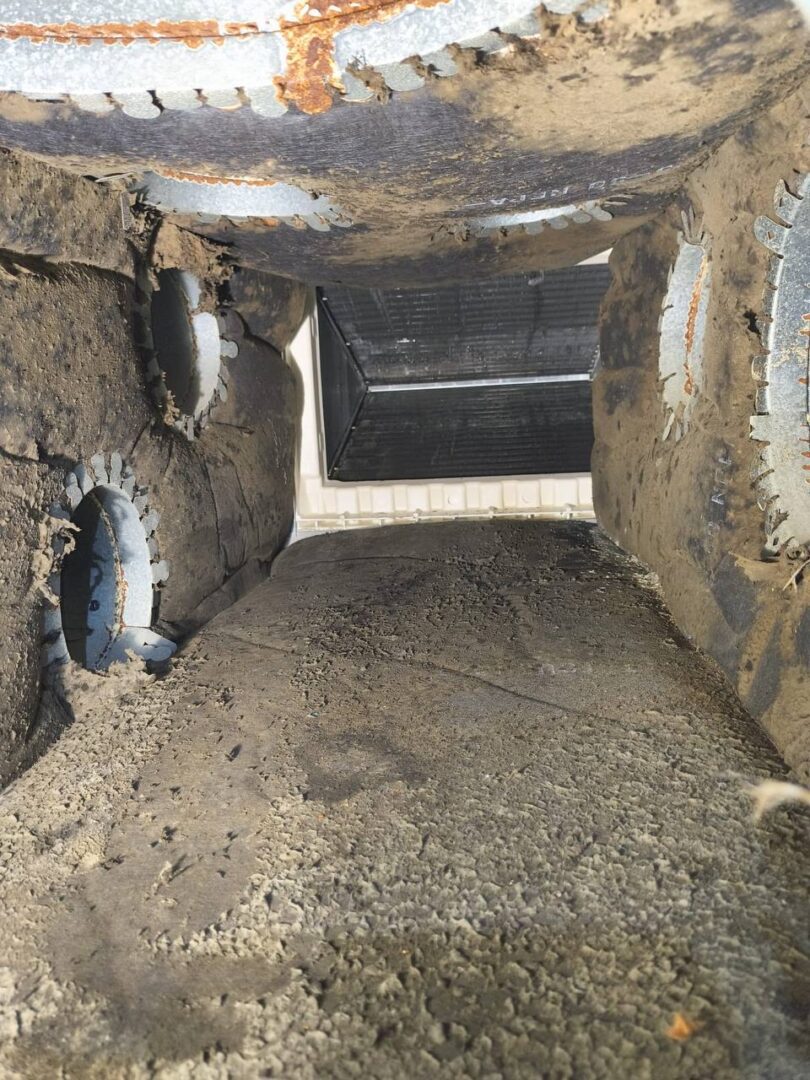
If you live in Houston and have noticed dust returning quickly after cleaning, musty odors when the AC runs, or higher-than-normal energy bills, you may be wondering if your air ducts need attention. But before scheduling a cleaning, there’s a critical first step that too many homeowners skip: a professional air duct inspection.
What Is an Air Duct Inspection?
An air duct inspection is a thorough visual and diagnostic evaluation of your home’s ductwork system — the network of metal or flexible ducts that distribute conditioned air from your HVAC system throughout your home. Unlike a general home inspection, this focuses specifically on the duct system’s physical condition, cleanliness level, and airflow performance.
Per NADCA (National Air Duct Cleaners Association) standards, a proper inspection examines all accessible components: supply and return ducts, register boots, the air handler compartment, evaporator coil, blower wheel, and filter racks. The inspector documents findings and provides a digital report.
Why Houston Homes Need Duct Inspections
Houston’s unique environment creates conditions that make duct inspections especially valuable:
- Extreme humidity: Houston’s subtropical climate means year-round high humidity, often exceeding 75%. This creates ideal conditions for moisture accumulation inside ductwork, which can lead to microbial growth and reduced system efficiency.
- Flood and storm history: Many Houston-area homes have experienced flooding or heavy rain intrusion. Even minor flooding can introduce moisture, sediment, and contaminants into duct systems that need professional assessment.
- Bayou-area moisture: Homes near Buffalo Bayou, White Oak Bayou, Sims Bayou, and other waterways face elevated ground moisture that can wick into slab-embedded ducts.
- Fine particulate from construction: Houston’s rapid growth across Katy, Cypress, Pearland, and The Woodlands means new construction nearby. Drywall dust, wood particles, and insulation debris can enter ductwork during the building phase and circulate for years.
- Industrial environment: Houston’s industrial and petrochemical infrastructure means higher ambient particulate in some areas. This can accelerate dust accumulation in duct systems near industrial zones.
What an Inspector Looks For
During a professional air duct inspection, a trained technician evaluates several critical areas:
- Debris accumulation: Visible dust, dirt, and particulate buildup inside duct runs and at register boots that could restrict airflow or recirculate into living spaces.
- Microbial growth: Signs of mold, mildew, or bacterial colonization — typically indicated by discoloration, musty odors, or visible spores near supply registers.
- Pest evidence: Droppings, nesting material, or pests themselves inside ductwork. Houston attics provide warm shelter for rodents and insects year-round.
- Disconnected or damaged sections: Duct segments that have separated, been crushed, or developed leaks — common in attics after HVAC replacement or attic work.
- Filter condition: The type, age, and cleanliness of the air filter, which directly correlates to duct cleanliness and overall system health.
- Blower and fan condition: Debris accumulation on the HVAC blower wheel and fan blades, which can unbalance the system and reduce airflow.
- Insulation integrity: Condition of duct insulation, particularly in unconditioned attics where Houston heat can degrade insulation over time.
Inspection vs. Cleaning: Understanding the Difference
It’s important to understand that inspection and cleaning are two distinct services — and inspection always comes first. A reputable air duct service will never recommend cleaning without documenting a genuine need through a proper inspection first.
Why does this matter? Some ductwork is in good condition and doesn’t require cleaning. Forcing cleaning on a system that doesn’t need it is not only unnecessary but can disturb settled debris that wasn’t causing issues. An honest inspection protects you from unnecessary services while ensuring that any recommended cleaning is based on documented evidence.
What to Expect During Your Houston Duct Inspection
A standard residential inspection typically takes 45 to 60 minutes, depending on your home’s square footage and number of HVAC systems. Here’s what you can expect:
- System walkthrough: The technician locates all supply and return registers throughout your home and identifies the air handler and furnace location.
- Visual inspection: Each accessible component is examined. Depending on duct configuration, a camera or borescope may be used for sections that are not directly visible.
- Documentation: Findings are photographed and recorded. A digital report is compiled showing any problem areas.
- Discussion: The technician walks through the findings with you, explaining what each observation means and answering your questions.
- Recommendation: If cleaning is warranted, the technician explains why and describes the process. If the ducts are clean and intact, they’ll tell you that too.
When to Schedule an Inspection
NADCA recommends annual duct inspections. In addition, schedule an inspection when:
- You move into a new home (especially new construction or recently purchased)
- After home renovations or remodeling projects
- Before or after HVAC equipment replacement
- If you notice visible dust escaping from supply registers
- When unexplained musty or stale odors persist indoors
- After flooding, water intrusion, or storm damage
- During spring or fall if indoor air concerns arise
- After pest treatment or if you suspect rodent activity in the attic
Common Findings in Houston Duct Systems
Houston homes tend to show recurring inspection patterns:
- Moisture-related issues: Houston’s high humidity means condensation inside ducts is common. This can lead to microbial growth, particularly in unconditioned attic spaces and slab-embedded runs.
- Attic duct degradation: Many Houston homes have flex duct in attics where summer temperatures exceed 130°F. Heat cycling degrades insulation and can cause duct separation at connection points.
- Post-construction debris: Homes in rapidly growing areas like Katy, Cypress, and Pearland often have residual construction dust in the ductwork.
- Pest intrusion: Houston’s mild winters and abundant wildlife make attics attractive to rodents, which enter ductwork through gaps or damaged sections.
- Storm-related contamination: Homes that have experienced hurricane or heavy rain events may have sediment or moisture damage in duct systems.
Frequently Asked Questions
Q: What does an air duct inspection in Houston include?
A: An AH-CHOO inspection covers visual assessment of all accessible ductwork, register boots, air handler compartment, evaporator coil, blower wheel, and filter racks. We check for debris accumulation, microbial growth, pest intrusion, disconnected sections, and insulation integrity. A digital report is provided after inspection.
Q: How long does an air duct inspection take?
A: Most residential inspections are completed within 45–60 minutes, depending on system size and access. Larger homes or properties with multiple HVAC systems may take longer.
Q: Do I need an inspection before air duct cleaning?
A: Yes — a professional inspection always comes before any recommendation to clean. If the ducts are in good condition with minimal debris, cleaning is not necessary. An inspection ensures you only pay for services you actually need.
Q: What are common problems found in Houston air ducts?
A: Houston’s high humidity and flood history make moisture-related issues the most common finding. Pest intrusion, post-construction debris, and attic duct degradation are also frequent findings in Houston-area homes.
Q: How often should air ducts be inspected in Houston?
A: Annual inspection is recommended. Additional inspections are advisable after home renovations, moves, HVAC equipment changes, flooding or water intrusion events, or if you notice unexplained dust, odors, or allergy symptoms indoors.
Q: Does AH-CHOO serve all Houston neighborhoods?
A: Yes — AH-CHOO serves Houston including The Heights, Montrose, River Oaks, Sugar Land, Katy, Cypress, The Woodlands, Pearland, Missouri City, Kingwood, Humble, Conroe, Clear Lake, Webster, Friendswood, Bellaire, West University, Memorial, Champions, Spring, Richmond, Rosenberg, and all of Harris, Fort Bend, Montgomery, and Brazoria counties.
Ready to start with an inspection? Contact AH-CHOO to schedule a free, no-obligation assessment of your Houston home’s ductwork. We’ll inspect, document, and provide an honest recommendation — no pressure, no upselling.
Learn more about Houston air duct cleaning options or read our guide on what NADCA certification means. For commercial properties, we also offer free inspections and assessments.
Related AH-CHOO resources: Houston air duct cleaning.