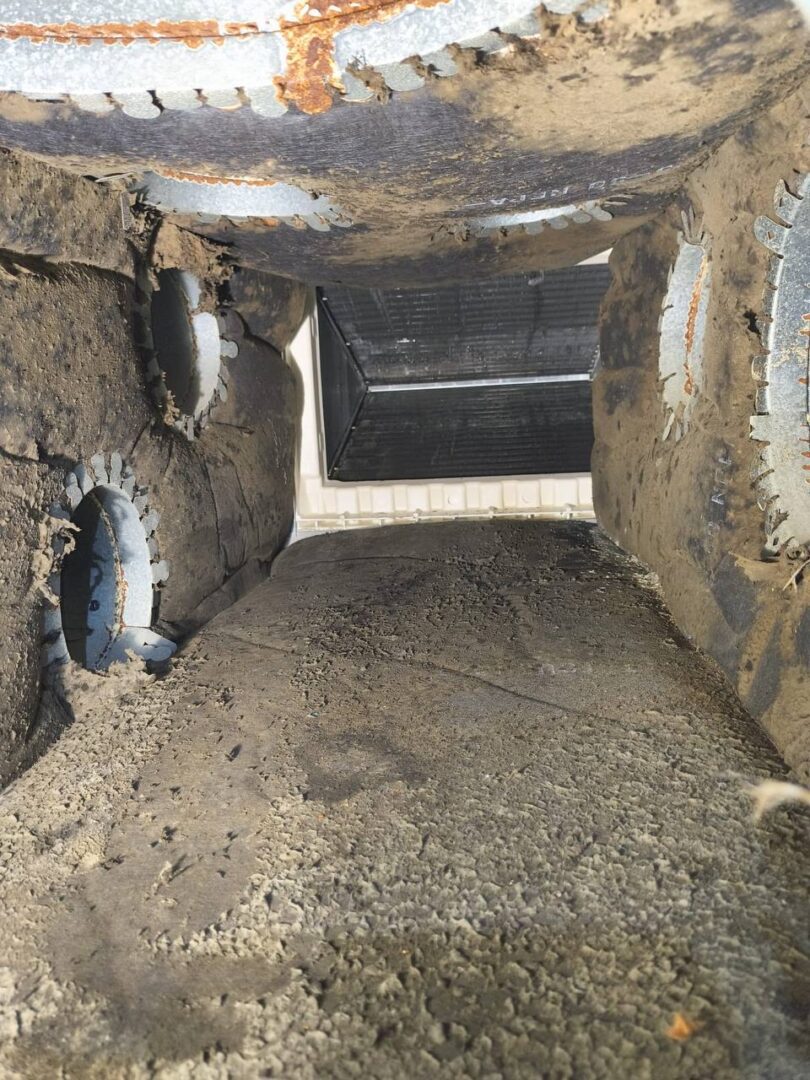
Houston's climate is a perfect breeding ground for mold inside HVAC systems. With average humidity exceeding 75% year-round and a cooling season that runs 8+ months, your air ducts face constant moisture exposure that drier climates simply don't experience. But prevention is possible — and far cheaper than remediation.
Why Houston HVAC Systems Are Mold Magnets
Mold grows when three conditions exist together:
- Moisture (Houston's humidity provides this constantly)
- Organic food source (dust, lint, pet dander inside ducts)
- Stagnant conditions (sealed ductwork = zero air movement at rest)
Add Houston's high humidity to these conditions and you have an environment where mold can colonize ductwork in as little as 2-3 months if conditions are favorable.
Strategy #1: Professional Air Duct Cleaning Every 3-5 Years
The most effective prevention is removing the "food source" that allows mold to grow. Professional air duct cleaning addresses all 8 HVAC components and eliminates accumulated dust, debris, and biological matter. This breaks the mold lifecycle by starving existing spores of food.
Houston timeline: Schedule cleaning every 3-5 years under normal conditions. Homes with pets, allergy sufferers, or homes in high-pollen zones may benefit from every 2-3 years.
Strategy #2: Keep Your Evaporator Coil Dry
The evaporator coil is where mold growth is most visible and most dangerous. During air conditioning operation, the coil condenses moisture as it cools air. Some condensation is normal, but excess moisture creates mold risk.
Prevention actions:
- Replace HVAC filters monthly (restricts airflow → incomplete moisture removal)
- Clean the condensate drain line annually (clogs trap water inside the unit)
- Run your AC system in "dry mode" during high-humidity spring months (removes moisture without cooling)
- Ensure your air handler has adequate drain slope and no leaks
Strategy #3: Maintain Consistent HVAC Operation
Stagnant ductwork is mold-prone ductwork. Running your system regularly keeps air moving through ducts, preventing moisture from accumulating.
Houston-specific strategy: During humid summer months (May-September), set your thermostat to maintain consistent temperature rather than turning the system off completely on cool mornings. This keeps air circulating and prevents condensation inside sealed ducts.
Strategy #4: Address Humidity at the Source
High indoor humidity accelerates duct mold growth. Consider:
- Dehumidifiers in humidity-prone areas (basements, bathrooms, enclosed crawlspaces near HVAC units)
- Bathroom exhaust fans running during and 15 minutes after showers
- Kitchen exhaust running while cooking
- Whole-home humidity control if your AC isn't keeping humidity below 55%
Strategy #5: Inspect for Problems Early
Early detection prevents mold from spreading throughout your system. Check for:
- Musty odors when your AC runs (sign of mold growth)
- Dark streaks on walls or ceilings near vents (airborne spores being deposited)
- Visible dark growth around register covers (inspection point)
- Allergy symptoms that improve when you leave home (potential mold spores circulating)
Professional Assessment Before It's Too Late
If you notice any warning signs, schedule a professional HVAC inspection before mold spreads. Early remediation costs far less than system-wide contamination.
AH-CHOO! Indoor Air Quality provides free pre-service inspections for Houston homeowners. We assess mold risk, recommend prevention strategies based on your specific home and climate, and perform NADCA-certified cleaning when needed.
—
Related: What Causes Mold in Air Ducts in Houston | Mold Remediation vs Air Duct Cleaning
Related AH-CHOO resources: Houston air duct cleaning; schedule a free inspection.