— title: "Why Houston Suburbs Need Duct Cleaning More Than The City" slug: "why-houston-suburbs-need-duct-cleaning" meta_description: "Houston suburbs face unique indoor air quality challenges the city doesn't. Master-planned flex duct, construction debris, and Gulf Coast humidity explained." focus_keyword: "air duct cleaning Houston suburbs" —
The Truth About Air Ducts in Houston's Outer Communities
Ask anyone in Houston proper about air duct cleaning and they'll tell you about the old brick homes, the century-old downtown buildings, the historic architecture. But if you live in any of the dozens of master-planned and newer suburban communities ringing Houston, your HVAC system faces a completely different—and in many ways, more demanding—set of conditions than homes closer to the city center.
The reasons are architectural, environmental, and economic. And every one of them points to the same conclusion: if you live in a Houston suburb, your air ducts are working harder and accumulating more than you realize.
The Flex Duct Problem Nobody Talks About
Over 80% of homes built in Houston suburbs since the mid-1990s use flexible insulation-lined ductwork—flex duct—as the primary method of connecting the air handler to each supply register throughout the home. You'll find flex duct in nearly every home across:
- Katy, Cinco Ranch, Fulshear west of the 610 Loop
- The Woodlands, Spring, Humble, Kingwood, Atascocita, Tomball north of the city
- Pearland, Friendswood, League City, Missouri City, Sugar Land south of central Houston
- Pasadena, Baytown, Deer Park, La Porte east of downtown
- Richmond, Rosenberg, Jersey Village and the broader western corridor
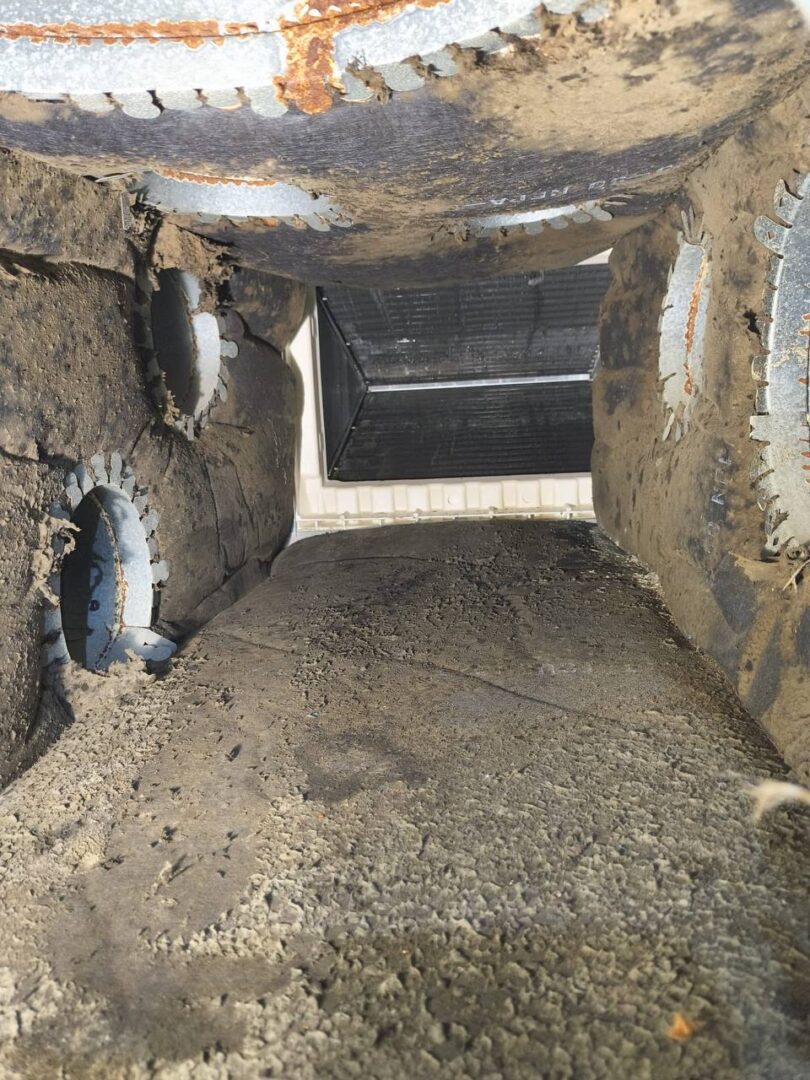
Flex duct is cost-effective, easy to install in tight attic and crawlspace conditions, and it works—when it's clean. But the ribbed interior surface of flex duct creates natural shelves and pockets where airborne particles settle and accumulate. Unlike smooth sheet metal, where dust can sometimes be blown through with compressed air, flex duct traps debris in every single ridge.
Over time, this buildup becomes significant. AH-CHOO! technicians routinely remove years of compacted dust, pet dander, pollen, and in some cases visible mold growth from flex duct runs in homes that are only 10–15 years old.
New Construction Debris: A Suburban-Specific Threat
Houston's suburban communities are among the fastest-growing areas in the United States. New subdivisions are constantly opening, and thousands of new homes are built each year. What most homeowners don't know: construction debris enters your ductwork during the building process.
Drywall dust, insulation fibers, sawdust, concrete dust, and adhesive volatile organic compounds (VOCs) are all present in active construction. When the HVAC system is used during construction—which is standard practice—these materials are pulled directly into the ductwork. Drywall dust alone is particularly problematic because it becomes cement-like when it absorbs the humidity Houston is famous for.
Many suburban homeowners buy a brand-new house and assume the ductwork is clean. It isn't. Not unless it was specifically cleaned after construction—not just blown out with a leaf blower, but professionally cleaned using NADCA-standard equipment.
Gulf Coast Humidity Hits Suburbs Harder
While Houston proper benefits from urban heat island effects and somewhat better air circulation, the outer suburban communities bear the full brunt of the Gulf of Mexico's moisture influence. Humidity levels in areas like Kingwood, Humble, and the Clear Lake corridor regularly exceed 90% during summer months.
When that humid air mixes with accumulated debris in ductwork, it creates conditions for:
- Mold and mildew colonization inside ducts and at register connections
- Odor retention — musty smells that appear when the AC first runs in the morning
- Reduced airflow — moisture-weighted debris is heavier and clings more strongly to duct surfaces
- Increased energy consumption — your blower motor works harder to push air through restricted passages
The Master-Planned Community Factor
Most Houston suburbs are built as master-planned communities. These developments are engineered for efficiency: standardized home designs, consistent lot sizes, shared construction timelines. That efficiency is a great thing for affordability—but it means hundreds of homes with identical HVAC systems facing identical contamination patterns.
When AH-CHOO! technicians arrive at a home in Cinco Ranch or The Woodlands, they often find the same ductwork configuration replicated across dozens of homes in that community. It's not uncommon to clean three homes in the same neighborhood and discover identical issues: the same flex duct layout, the same attic condensation points, the same register configurations collecting the same species of allergens.
This predictability actually works in homeowners' favor—because it means proven, repeatable solutions apply across the community. The cleaning approach that works for one FiveCoves home works for all of them.
Pet Density in the Suburbs
Suburban Houston homes have more pets than urban Houston—statistically, consistently. Larger yards, fenced backyards, no HOA pet restrictions in many older suburbs (and liberalized ones in newer communities), and more space generally lead to higher pet ownership rates.
Each pet adds hair, dander, skin cells, and outdoor particulates tracked through the HVAC return system. In homes with two or more pets—very common across communities like Sugar Land, Pearland, and Spring—the ductwork can accumulate enough debris within 2–3 years to measurably impact indoor air quality and system efficiency.
What Happens When You Finally Get It Cleaned
AH-CHOO! follows NADCA standards on every job. That means:
- Full system access — every register, every return, every access point is opened
- 7-hour average job time — this isn't a two-hour service. Proper suburban duct cleaning takes as long as it takes, and it always takes most of a day
- 8 components cleaned every time: return grills, coils, blower fan, heating chamber, plenum box, ducts, register boxes, and grills
- Negative pressure containment — debris is captured, not blown deeper into the system or into your living space
- Visual verification — technicians show you what was removed from your ducts before they leave
The Houston Suburbs We Serve Daily
Our service area covers every major Houston suburban community, including:
- West: Katy, Cinco Ranch, Fulshear, Richmond, Rosenberg
- North: The Woodlands, Spring, Humble, Kingwood, Atascocita, Tomball
- South: Pearland, Friendswood, League City, Missouri City, Sugar Land
- Central/Inner Loop: Memorial, Bellaire, Houston Heights
- East: Pasadena, Baytown, Deer Park, La Porte, Jersey Village
Seasonal Timing for Suburban Houston
The best times to schedule duct cleaning in Houston suburbs depend on your priorities:
| Season | Why It's Smart | |——–|—————| | Early Spring (February–March) | Before oak pollen and mold season peak | | Early Fall (September–October) | After summer humidity, before heating season | | Post-renovation | Within 2–4 weeks of any construction work ending | | After flooding | Critical—if any water entered your home, the ducts must be addressed |
Don't Wait Until It's Obvious
By the time dust is puffing from your registers or you can smell mustiness through the vents, years of buildup have already accumulated—and your HVAC system has been working harder, longer, and less efficiently than it should.
The families who breathe the cleanest indoor air in Houston suburbs don't wait for a problem. They clean their ducts on a schedule, before the air degrades.
Book your free inspection with AH-CHOO! and find out exactly what's living in your suburban HVAC system.
<div class="wp-block-buttons"> <div class="wp-block-button is-style-fill"><a class="wp-block-button__link" href="https://crm.ahchooindoorair.com/book">Book Your Free Inspection</a></div> </div>
<!– wp:separator –> <hr class="wp-block-separator"/> <!– /wp:separator –>
Frequently Asked Questions
How often should I get air duct cleaning in a Houston suburb home?
For most suburban Houston homes, every 2–3 years is recommended. Homes with pets or recent construction may benefit from annual cleaning. Homes in high-humidity zones like Kingwood or Humble should inspect ducts annually.
Is flex duct harder to clean than sheet metal?
Flex duct requires more time and different tools than sheet metal duct cleaning. The ribbed interior traps debris in each ridge, making rotary brush tools and proper negative-pressure equipment essential. Standard vacuum methods don't adequately clean flex duct.
Does new construction ductwork need professional cleaning?
Yes. Construction debris—drywall dust, insulation particles, wood dust, and adhesive VOCs—enters the duct system during the building process. This material needs to be professionally removed, not just blown out or left to settle.
How long does air duct cleaning take for a suburban home?
AH-CHOO! averages 7 hours per job across all Houston suburbs. We clean 8 components on every visit and never rush the work.
Will duct cleaning help with allergy symptoms?
Many Houston suburban residents report improvement in allergy symptoms after professional duct cleaning, particularly those with seasonal allergies or pet sensitivities. The ductwork is a primary distribution system for indoor allergens.
<!– wp:html –> <script type="application/ld+json"> { "@context": "https://schema.org", "@type": "Article", "headline": "Why Houston Suburbs Need Duct Cleaning More Than The City", "description": "Houston suburbs face unique indoor air quality challenges the city doesn't. Master-planned flex duct, construction debris, and Gulf Coast humidity explained.", "author": { "@type": "Organization", "name": "AH-CHOO! Indoor Air Quality" }, "publisher": { "@type": "Organization", "name": "AH-CHOO! Indoor Air Quality", "logo": { "@type": "ImageObject", "url": "https://ahchooindoorair.com/wp-content/uploads/logo.png" } }, "datePublished": "2026-04-03", "dateModified": "2026-04-03", "mainEntityOfPage": "https://ahchooindoorair.com/blog/why-houston-suburbs-need-duct-cleaning" } </script> <script type="application/ld+json"> { "@context": "https://schema.org", "@type": "FAQPage", "mainEntity": [ { "@type": "Question", "name": "How often should I get air duct cleaning in a Houston suburb home?", "acceptedAnswer": { "@type": "Answer", "text": "For most suburban Houston homes, every 2–3 years is recommended. Homes with pets or recent construction may benefit from annual cleaning. Homes in high-humidity zones like Kingwood or Humble should inspect ducts annually." } }, { "@type": "Question", "name": "Is flex duct harder to clean than sheet metal?", "acceptedAnswer": { "@type": "Answer", "text": "Flex duct requires more time and different tools than sheet metal duct cleaning. The ribbed interior traps debris in each ridge, making rotary brush tools and proper negative-pressure equipment essential." } }, { "@type": "Question", "name": "Does new construction ductwork need professional cleaning?", "acceptedAnswer": { "@type": "Answer", "text": "Yes. Construction debris—drywall dust, insulation particles, wood dust, and adhesive VOCs—enters the duct system during the building process. This material needs to be professionally removed." } }, { "@type": "Question", "name": "How long does air duct cleaning take for a suburban home?", "acceptedAnswer": { "@type": "Answer", "text": "AH-CHOO! averages 7 hours per job across all Houston suburbs. We clean 8 components on every visit and never rush the work: return grills, coils, blower fan, heating chamber, plenum box, ducts, register boxes, and grills." } }, { "@type": "Question", "name": "Will duct cleaning help with allergy symptoms?", "acceptedAnswer": { "@type": "Answer", "text": "Many Houston suburban residents report improvement in allergy symptoms after professional duct cleaning, particularly those with seasonal allergies or pet sensitivities. The ductwork is a primary distribution system for indoor allergens." } } ] } </script> <!– /wp:html –>
Related AH-CHOO resources: Houston air duct cleaning; schedule a free inspection.