If you live in Houston and suffer from seasonal allergies, you already know that our extended warm climate creates one of the longest and most intense allergy seasons in the United States. Cedar pollen begins in late December, oak and grass pollen dominate spring and early summer, and ragweed peaks in fall. Most Houston allergy sufferers are uncomfortable for the majority of each year.
What most people do not realize is that their HVAC system may be making the problem significantly worse by continuously redistributing accumulated allergens from inside the ductwork into their living spaces.
How Your HVAC System Becomes an Allergen Distribution Network
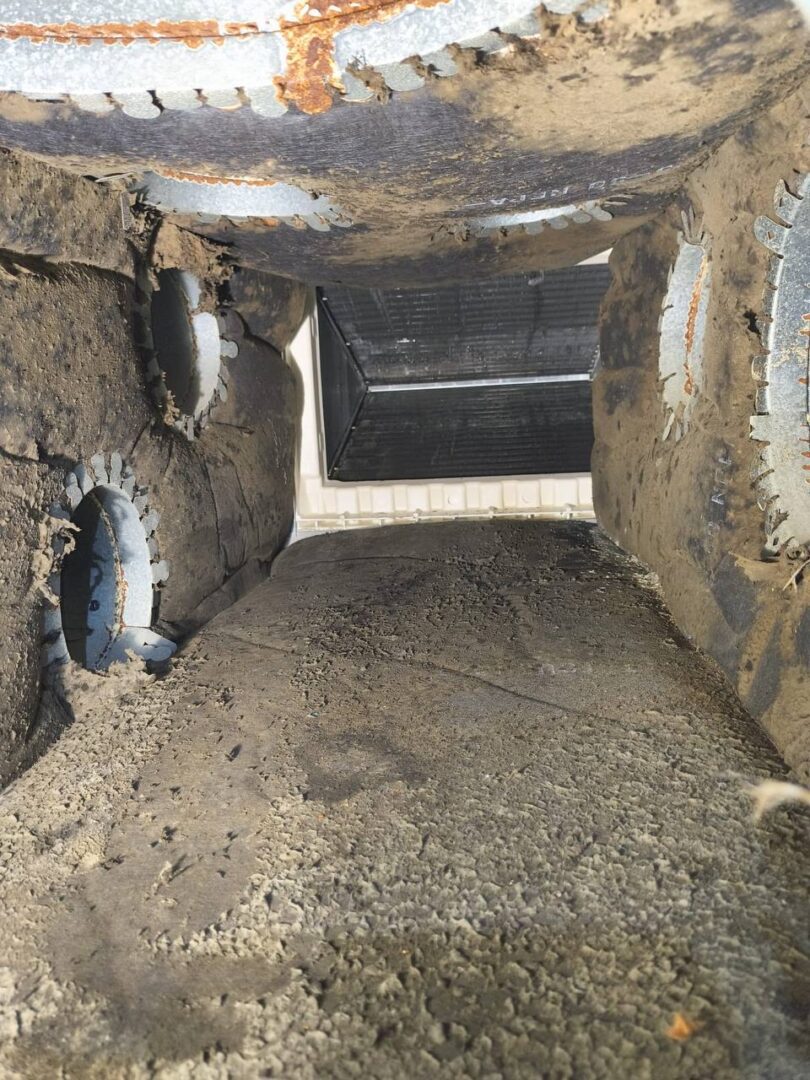
During peak pollen season, your system cycles dozens of times per day. Each cycle pulls pollen-laden air through return vents, across the evaporator coil, and through the air filter. While the filter captures larger particles, pollen grains that are smaller than the filter’s capture rating pass through and settle on interior duct surfaces.
Over the course of a single allergy season, these accumulated pollen layers build up on interior duct surfaces, inside the evaporator coil housing, and in the plenum box where all your duct branches converge. By the time peak season ends, your HVAC system contains a concentrated allergen reservoir that continues to release particles into your living spaces long after the outdoor pollen count has dropped.
Why Indoor Allergy Symptoms Persist After Pollen Season
Many Houston residents who suffer from seasonal allergies notice that their symptoms do not improve proportionally when they stay indoors with windows closed. This happens because the indoor air their HVAC system circulates contains pollen and allergen particles that were pulled in during the previous weeks or months and are being redistributed from the accumulated reservoir inside the duct system.
The solution is not to avoid the outdoors. The solution is to eliminate the allergen reservoir inside the HVAC system.
When Professional Cleaning Delivers Maximum Benefit
The ideal time to schedule professional air duct cleaning is early spring, before the peak cedar and oak pollen season begins, or immediately after a particularly heavy allergy season to eliminate the accumulated reservoir. Our NADCA-certified cleaning addresses all 8 HVAC components using source removal methods.
Most allergy sufferers report meaningful symptom reduction within the first few days after professional cleaning, and the improvement persists throughout the allergy season when filters are replaced on schedule.
[Book a Free Inspection](https://crm.ahchooindoorair.com/book)
AH-CHOO! Indoor Air Quality serves Houston, Austin, San Antonio, and South Louisiana. NADCA certified. Average job time: 7 hours. 8 components cleaned every service. 38 years of experience.
Related AH-CHOO resources: Houston air duct cleaning; schedule a free inspection.