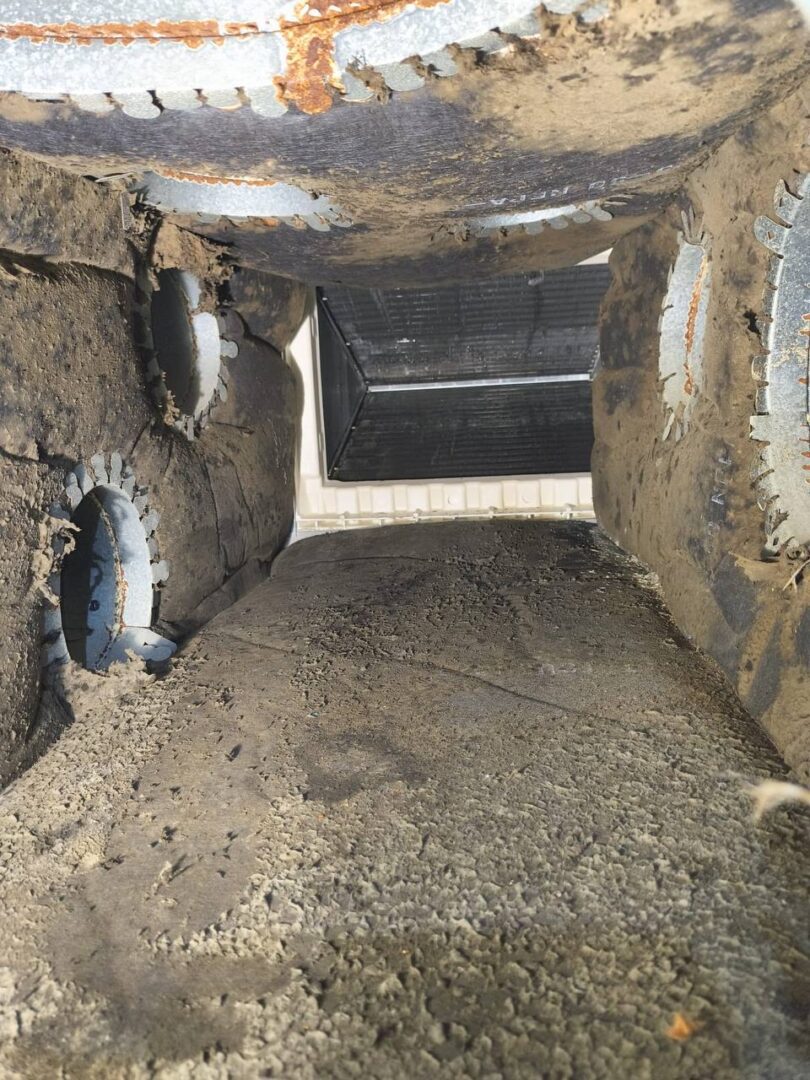
Most Houston homeowners think about indoor air quality only when a problem becomes obvious — persistent musty odors, visible mold, or allergy symptoms that no over-the-counter medication can relieve. But the reality is that the air circulating through your home every single day carries an invisible biological and chemical load that directly affects your family’s health, comfort, and quality of life.
Where Indoor Air Contamination Comes From
The air inside your Houston home comes from two sources: outdoor air entering through intake vents, windows, and building envelope gaps, and indoor sources like cooking, cleaning products, pet activity, and human occupancy. In Houston specifically, outdoor air contributes significant humidity, seasonal pollen, automotive emissions, and industrial particulates from nearby petrochemical operations. Indoor sources add pet dander, dust mite debris, volatile organic compounds from household chemicals, and cooking residue.
Both sources feed your HVAC system, which pulls all of this air through your ductwork, across the evaporator coil, and back out through supply registers into your living spaces. Whatever accumulates on the interior surfaces of that system is redistributed into the air your family breathes every time the system cycles on.
The Houston Climate Multiplier
Houston climate amplifies every indoor air quality challenge faced by homeowners in other parts of the country:
**Extended cooling season.** Eight or more months of continuous HVAC operation means the system is constantly pulling contaminated air through your ductwork, creating more opportunities for accumulation than in cities with distinct seasonal breaks.
**Humidity.** Houston average relative humidity exceeds 75 percent annually. Moisture on interior duct surfaces captures and holds airborne particles more effectively than dry surfaces, and it creates the conditions for mold growth that is virtually absent in drier climates.
**Extended allergen season.** Houston’s warm climate supports year-round pollen production from cedar, oak, grass, ragweed, and numerous other plants, creating a persistent source of airborne allergens that enter homes through the HVAC system.
What You Can Do Today
Replace your HVAC air filter regularly. A clean filter reduces the volume of particles entering your duct system. Schedule professional duct cleaning every 3 to 5 years, or more frequently if your household has pets, allergies, or recent construction activity. Consider a whole-house air purifier or UV light system to complement your duct cleaning and address biological contamination that filters cannot capture. Keep indoor humidity between 40 and 60 percent using a dehumidifier.
AH-CHOO! Can Help
Our NADCA-certified technicians evaluate the condition of all 8 HVAC components during a free pre-service inspection. No pressure, no hidden charges — just honest assessment and professional recommendations tailored to your home’s specific needs.
[Book a Free Inspection](https://crm.ahchooindoorair.com/book)
AH-CHOO! Indoor Air Quality serves Houston, Austin, San Antonio, and South Louisiana. NADCA certified. Average job time: 7 hours. 8 components cleaned every service. 38 years of experience.
Related AH-CHOO resources: Houston air duct cleaning; schedule a free inspection.