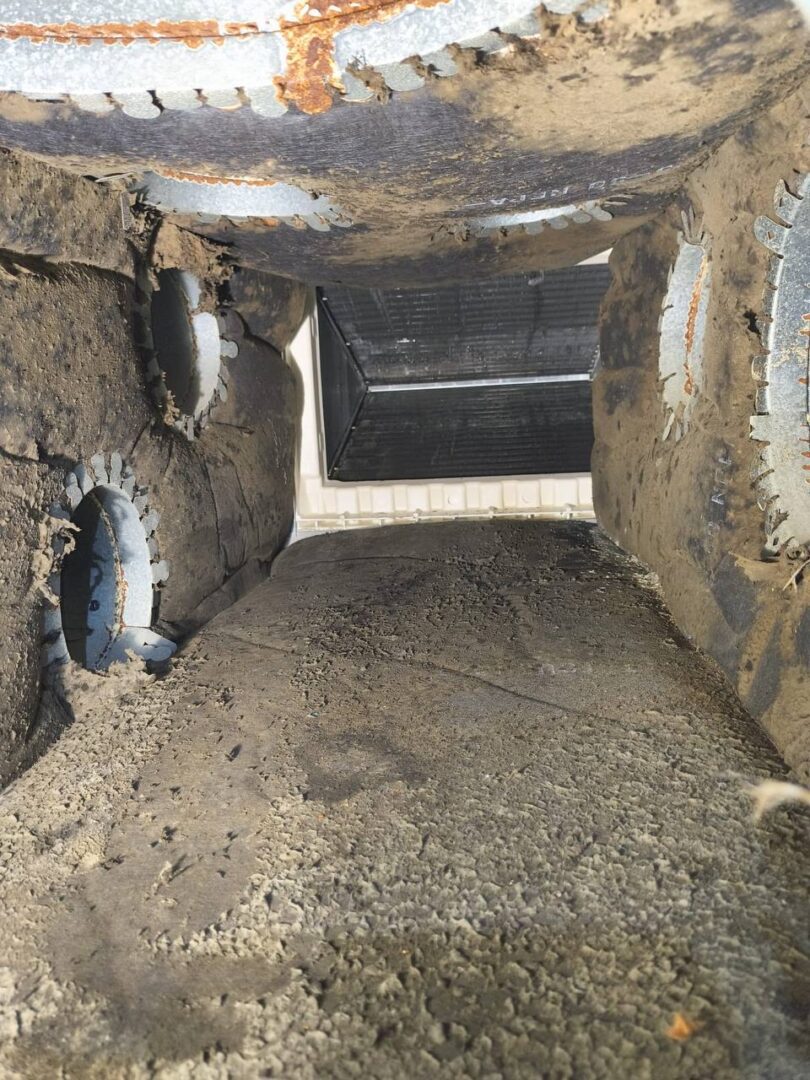
If you share your Houston home with dogs, cats, or other furry companions, you already know that pet hair and dander accumulate throughout your living spaces. What you may not realize is that a significant portion of that pet debris enters your HVAC system through return vents and settles on the interior surfaces of your ductwork, evaporator coil, blower fan, and plenum box.
Over time, this accumulated pet debris becomes one of the most significant contributors to indoor air quality problems in Houston homes — and it is a problem that standard air filter changes alone cannot address.
How Pet Debris Enters and Accumulates Inside Your HVAC System
Every time your HVAC system cycles on, it pulls air from your living spaces through return vents. Air in homes with pets carries significantly higher concentrations of:
**Pet dander.** Microscopic skin flakes shed by dogs and cats are among the most common indoor allergens. These particles are small enough to pass through most standard air filters and enter the interior of your HVAC system, where they settle on duct surfaces, the evaporator coil, and the plenum box. Over time, this dander accumulates into a thick layer of organic material that serves as a food source for mold spores whenever moisture is present.
**Pet hair and fur.** Hair from shedding pets is drawn into return vents and accumulates on blower fan blades, inside ductwork, and around the evaporator coil. When pet hair wraps around blower fan blades, it creates imbalance that causes vibration, noise, and reduced airflow efficiency. Pet hair that accumulates on the evaporator coil reduces heat transfer efficiency and provides a nutrient-rich surface where mold can colonize.
**Pet dander-associated proteins.** The proteins that trigger allergic reactions in sensitive individuals are found not only in pet dander but also in pet saliva and urine. When pets groom themselves, saliva proteins become airborne and are drawn into the HVAC system along with dander particles.
**Pet odors.** Odors from pets — whether from the animal itself, from litter boxes, or from accidents — enter the HVAC system through return vents and become absorbed by organic debris that has accumulated on interior duct surfaces. Once these odor molecules are absorbed into the debris layer, they are redistributed into your living spaces every time the system operates.
Why Houston Pet Owners Face Compounded Challenges
Houston humid climate creates conditions where pet-associated organic debris inside your HVAC system becomes a persistent biological contamination problem. The combination of pet dander, pet hair, and elevated indoor humidity creates an ideal environment for mold growth on interior duct surfaces and on the evaporator coil.
In drier climates, organic debris from pet dander may remain relatively inert inside the duct system. In Houston, the constant moisture from condensation and high ambient humidity activates that debris as a biological growth substrate that produces mold spores, odors, and allergenic particles that are continuously redistributed into your living spaces.
Signs Your HVAC System Needs Cleaning Because of Pet Contamination
**Unusually rapid air filter clogging.** If you find yourself replacing air filters more frequently than every 30 to 60 days, it is a sign that the volume of particulate matter entering your system — including pet dander and hair — is excessive and is likely overwhelming the filter’s capacity.
**Pet odors that persist after surface cleaning and bathing.** Odors that return within days of thorough surface cleaning and pet grooming often originate from the HVAC system, where odor molecules absorbed into accumulated organic debris on interior duct surfaces are continuously redistributed when the system operates.
**Visible pet hair and debris around return vent covers.** If you can see pet hair accumulating on or around your return vents, significant amounts of the same material have also entered the interior of your ductwork and are not visible from the living spaces.
**Increased allergy symptoms in homes with pets.** For household members who are allergic to pet dander, the continuous redistribution of accumulated dander from inside the HVAC system creates a persistent allergen exposure that no amount of surface cleaning or air purifiers can fully address.
What Professional Air Duct Cleaning Accomplishes for Pet Owners
Our NADCA-certified source removal cleaning physically eliminates every accessible layer of pet dander, pet hair, and associated organic debris from all 8 HVAC components: return ducts, evaporator coils, blower fan, heating chamber, plenum box, supply ducts, register boxes, and grills. This eliminates the accumulated organic debris layer that produces odors, supports mold growth, and continuously redistributes allergenic pet proteins into your living spaces.
The average service takes approximately 7 hours because we treat each component individually. Homes with pets that have not been professionally cleaned in more than 2 to 3 years will typically find more significant pet debris accumulation than homes without pets.
Complementary Measures for Pet Owners
**Replace air filters every 30 days.** Homes with pets should replace standard 1-inch filters on the shorter end of the range. Upgrading to MERV 8 to MERV 11 filters captures more pet dander before it reaches the interior of your HVAC system.
**Keep pets away from return vents.** The area immediately surrounding return vents is where the highest concentration of pet debris enters the HVAC system. Placing return vent covers with finer mesh screens can reduce the volume of pet hair that enters the duct system.
**Schedule professional duct cleaning every 2 to 3 years.** The standard 3 to 5 year recommendation should be shortened for homes with pets, particularly those with multiple animals or larger breeds that produce higher volumes of dander and hair.
Book Your Free Inspection
If you have pets and have not had your HVAC system professionally cleaned in more than 2 to 3 years, schedule a free inspection today. Our NADCA-certified technicians will document the extent of pet-associated debris accumulation in all 8 components and provide an honest assessment.
[Book a Free Inspection](https://crm.ahchooindoorair.com/book)
AH-CHOO! Indoor Air Quality serves Houston, Austin, San Antonio, and South Louisiana. NADCA certified. Average job time: 7 hours. 8 components cleaned every service. 38 years of experience.
Related AH-CHOO resources: Houston air duct cleaning; schedule a free inspection.