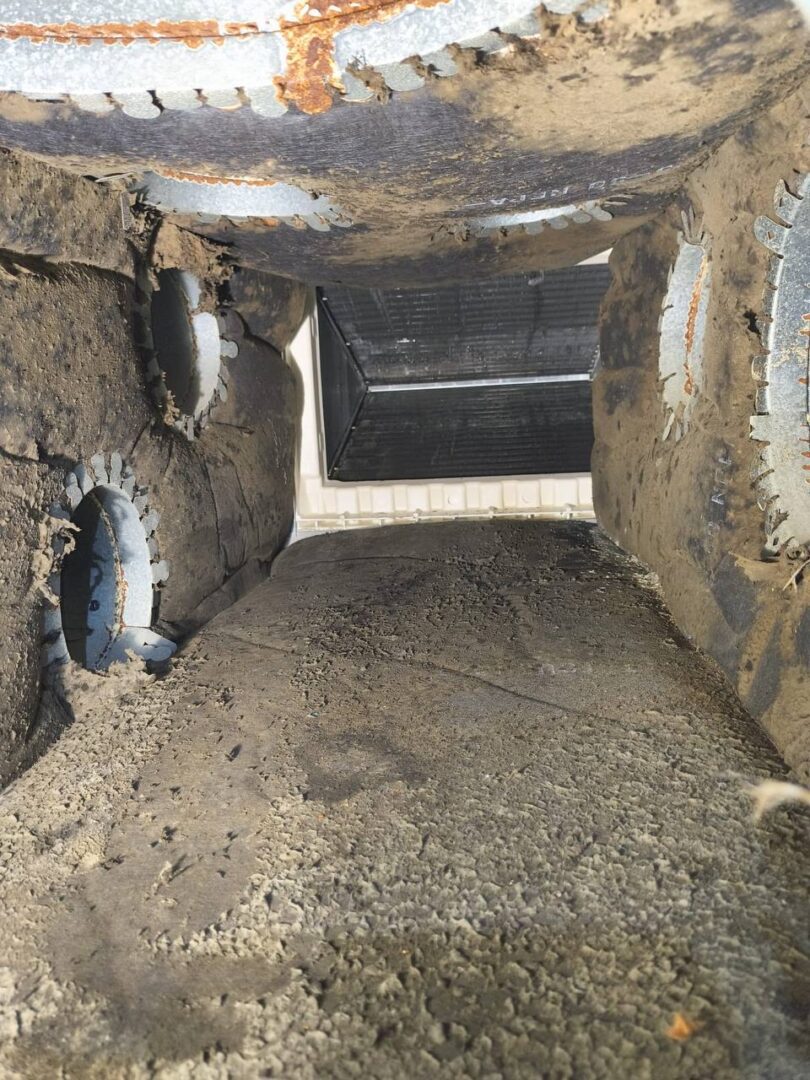
If you live in Houston, you already know that mold is not a seasonal problem — it is a year-round reality. The Gulf Coast’s combination of heat and humidity creates conditions where mold colonization inside your HVAC system can begin within days of water exposure and persist indefinitely if not properly addressed.
But there are specific windows during the year when the risk of mold growth in Houston duct systems is especially acute, and timing your professional HVAC cleaning to coincide with or precede these high-risk periods is one of the most effective things you can do to protect your family’s indoor air quality.
Spring: Post-Cedar Fever Mold Window (March through May)
Houston’s cedar fever season runs from December through February. During those months, enormous quantities of mountain cedar pollen are drawn into HVAC systems through return vents. Cedar pollen settles on interior duct surfaces, the evaporator coil, and the plenum box, where it accumulates throughout the winter.
When spring arrives in March, the combination of elevated outdoor humidity with the cedar pollen residue from the winter months creates ideal conditions for mold colonization on every surface where pollen has settled. The transition from cedar season to spring allergen production is when mold growth inside Houston area duct systems accelerates most rapidly.
Professional duct cleaning in late winter — before the spring humidity surge begins — removes the cedar pollen residue that would otherwise serve as food for mold colonies throughout the spring and summer.
Summer: Peak Heat, Humidity, and Mold Production (June through September)
Houston summer is the highest-risk period for mold growth inside any HVAC system that has accumulated organic debris. The combination of extreme heat, average humidity above 70 percent, and near-continuous A/C operation creates a perfect storm for biological contamination.
The evaporator coil is the single most vulnerable component during the summer months. As the coil cools incoming air to remove heat, condensation forms on the coil fins. This condensation combines with whatever dust, pollen, and organic debris has accumulated on the coil surface to create a moist, nutrient-rich environment where mold and bacteria multiply rapidly.
The plenum box is the second most vulnerable component. It is the central distribution point where all airflow from the ducts meets the air handler, and it experiences the most dramatic temperature and humidity fluctuations of any component in the system. When organic debris is present on the interior surfaces of the plenum box, summer humidity drives mold colonization within days.
Professional duct cleaning in late spring — before the summer cooling season reaches full intensity — removes the organic debris that summer humidity would otherwise convert into active mold colonies.
Fall: Post-Storm Mold Window (October through November)
Houston’s fall season brings two distinct mold risk factors:
**Hurricane and tropical storm water intrusion.** Even homes that have never experienced direct flooding may have experienced roof leaks, condensate drain overflow, or minor water intrusion during one of Houston’s numerous tropical weather events. Any water intrusion into the HVAC system, no matter how minor, introduces the moisture and biological contamination that mold needs to establish.
**Fall allergen production and decomposition.** As vegetation begins to senesce in the fall, fallen leaves, decaying plant matter, and ragweed pollen contribute to the outdoor biological load that is drawn into homes through HVAC return vents. This organic debris adds to the existing layer of contamination inside the duct system.
Professional duct cleaning in late fall — before the system enters its winter operating mode — removes the accumulated contamination from the spring and summer and the additional fall allergens, giving your system a clean baseline for the winter months.
Winter: The Quietest Window (December through February)
Winter is Houston’s lowest-risk period for mold growth inside HVAC systems because cooling operation is reduced and outdoor humidity is at its annual minimum. This makes winter an ideal time to schedule professional duct cleaning, because the system will remain cleaner for the longest period before the next high-risk season begins.
What Professional Cleaning Does to Prevent Mold
Our NADCA-certified service addresses all 8 HVAC components using source removal methods that physically eliminate every accessible layer of organic debris, biological contamination, and mold growth from the interior surfaces of your system. By removing the organic material that mold feeds on, we eliminate the food source — not just the visible colonies — so that future mold growth is significantly less likely to establish under normal operating conditions.
The average service takes approximately 7 hours because we treat each component thoroughly. We include a free inspection so you can see the current condition of your system before making any commitment.
Book Your Free Mold Risk Inspection
If you want to understand your HVAC system’s current mold risk profile, schedule a free inspection with our NADCA-certified technicians. We will document the condition of all 8 components and provide an honest assessment of whether cleaning or remediation is warranted based on what we find.
[Book a Free Inspection](https://crm.ahchooindoorair.com/book)
AH-CHOO! Indoor Air Quality serves Houston, Austin, San Antonio, and South Louisiana. NADCA certified. Average job time: 7 hours. 8 components cleaned every service. 38 years of experience.
Related AH-CHOO resources: Houston air duct cleaning; schedule a free inspection.