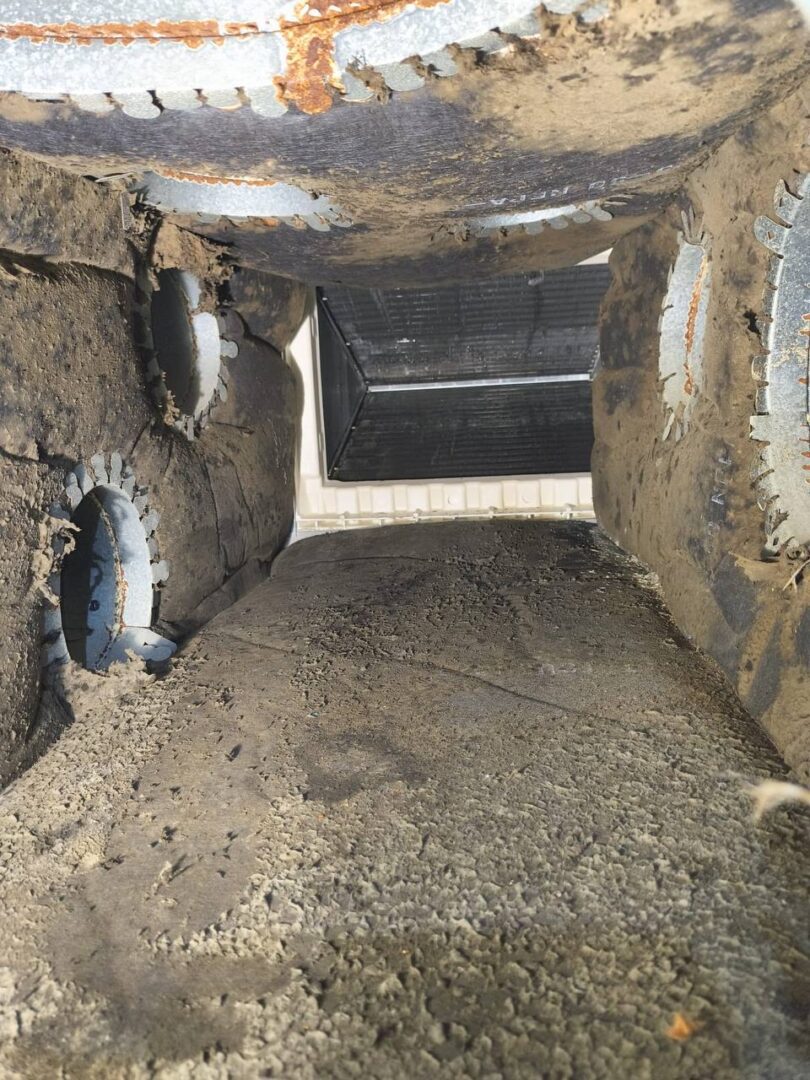
If you are researching air duct cleaning companies in Houston, you will encounter a wide range of price quotes, service descriptions, and claims about the quality of work. Some companies offer cleaning services for a few hundred dollars and promise to clean your entire system in two hours. Others charge significantly more and explain that proper source removal cleaning requires several hours of careful, methodical work.
The single most reliable way to distinguish a legitimate professional duct cleaning service from a cosmetic or potentially harmful operation is to verify that the company employs technicians who hold active NADCA certification.
What Is NADCA?
NADCA stands for the National Air Duct Cleaners Association. It is the primary professional organization and certification body for the HVAC cleaning industry in the United States. NADCA establishes the standards for proper air duct cleaning methodology, maintains the certification requirements for individual technicians, and conducts ongoing research into the science of indoor air quality and HVAC system contamination.
NADCA was founded in 1988 and has been developing industry standards for professional duct cleaning for nearly four decades. When a company employs NADCA-certified technicians, it means those technicians have demonstrated knowledge of HVAC system design, contamination science, cleaning methodology, and indoor air quality through a rigorous examination process.
Why NADCA Certification Matters for Houston Homeowners
Houston’s combination of extreme humidity, high allergen loads, and ongoing construction activity creates indoor air quality challenges that are more complex than those in most other cities. Cleaning a Houston-area HVAC system properly requires an understanding of how biological growth develops in high-humidity environments, how construction dust and particulate contamination behaves inside duct systems, and what anti-microbial treatments are appropriate for the specific contamination profiles found in Gulf Coast homes.
NADCA-certified technicians receive training in all of these areas. Non-certified operators may not understand the relationship between humidity and mold growth, the difference between cosmetic vent cleaning and source removal cleaning, or the potential health risks of improperly performed duct cleaning that distributes accumulated contamination into the living spaces rather than removing it.
What NADCA Certification Actually Requires
**Rigorous examination.** NADCA certification requires passing a comprehensive examination that covers HVAC system design and operation, contamination science, cleaning methodology and equipment, indoor air quality science, and industry standards and ethics.
**Continuing education.** NADCA-certified professionals must complete continuing education requirements to maintain their certification, ensuring they stay current with evolving industry standards and emerging research into indoor air quality.
**Ethics and standards compliance.** NADCA-certified professionals commit to adhering to the association’s code of ethics and standards of care, which include accurate representation of services, honest assessment of system conditions, and proper documentation of cleaning procedures and results.
The Risk of Non-Certified Duct Cleaning in Houston
Houston has a significant number of unlicensed operators who offer duct cleaning services at dramatically lower prices than NADCA-certified professionals. These operators frequently use equipment and methods that are inadequate for proper source removal cleaning. In some cases, the cleaning process actually makes indoor air quality worse by dislodging debris from visible vent areas while pushing accumulated contamination deeper into the duct system where it becomes more concentrated and more difficult to remove.
Of the duct cleaning companies operating in the Houston area, only a small percentage employ NADCA-certified technicians. This means that the majority of quotes you receive will be from operators who have not demonstrated knowledge of the standards that protect your home and your family’s health.
What You Should Ask Before Hiring a Duct Cleaning Company in Houston
**Do you employ NADCA-certified technicians?** If the answer is no, or if the company cannot provide the names and certification numbers of their certified technicians, you should continue your search.
**What is your cleaning methodology?** Proper source removal cleaning involves agitation and extraction of debris from every accessible surface inside the system. If a company describes a process that involves simply vacuuming visible areas or applying a chemical treatment without physical removal of debris, the service does not meet NADCA standards.
**How long will the service take?** A proper cleaning of all 8 HVAC components cannot be completed in one or two hours. The average service takes approximately 7 hours because each component requires individual attention.
**Do you include a free inspection?** A professional company should be willing to inspect your system and document its condition before making any recommendation or commitment.
AH-CHOO! and NADCA Certification
AH-CHOO! Indoor Air Quality employs NADCA-certified technicians who have been serving Houston, Austin, San Antonio, and South Louisiana for 38 years. Our cleaning service addresses all 8 HVAC components using source removal methods that meet and exceed NADCA standards. We include a free inspection with every service call so you can see the condition of your system before making any decision.
Book Your Free Inspection
If you want a NADCA-certified assessment of your HVAC system’s condition, schedule a free inspection today. Our technicians will document the condition of all 8 components and provide an honest, no-pressure evaluation.
[Book a Free Inspection](https://crm.ahchooindoorair.com/book)
AH-CHOO! Indoor Air Quality serves Houston, Austin, San Antonio, and South Louisiana. NADCA certified. Average job time: 7 hours. 8 components cleaned every service. 38 years of experience.
Related: Houston Air Duct Cleaning Myths: What Homeowners Get Wrong About HVAC Cleaning.
Related AH-CHOO resources: Houston air duct cleaning; schedule a free inspection.