Most Houston residents know that allergy season is not a single seasonal event. It is a year-round cycle that changes its character as the calendar turns but never truly disappears. Understanding which allergens dominate each month of the year in Houston helps you time preventive HVAC maintenance so your system is clean and ready before the next wave hits.
January and February: Cedar Fever Season
Cedar fever is the most intense seasonal allergy event in Central and Southeast Texas. Mountain cedar trees release massive quantities of pollen from late December through February, and during peak weeks, pollen counts can reach levels that are genuinely hazardous for sensitive individuals.
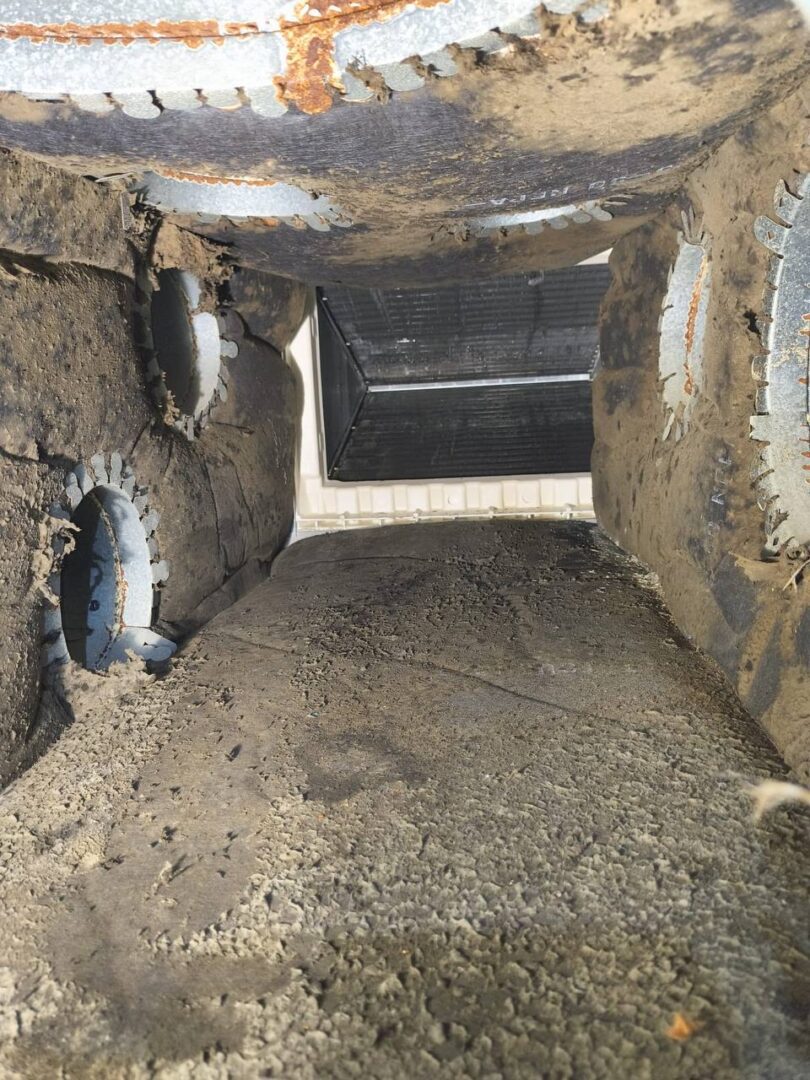
Cedar pollen grains are small enough to pass through most standard 1-inch HVAC air filters and enter the interior of your duct system. Once inside, cedar pollen settles on duct surfaces, the evaporator coil, and the plenum box, where it becomes part of the persistent allergen load that your system redistributes throughout the year.
Cleaning your HVAC system in late winter after the peak of cedar season removes the heavy pollen accumulation that built up during the most intense weeks of the year.
March through May: Oak, Pine, and Grass Pollen
As cedar season declines, oak and pine pollen production surges. Oak pollen is heavier than cedar pollen but is produced in such massive quantities in Houston that it creates one of the most challenging allergy periods of the year. Grass pollen also emerges during this window, and the combination of tree and grass allergens creates a complex multi-allergen environment that affects even individuals who do not typically suffer from seasonal allergies.
Your HVAC system draws outdoor air containing these pollens through return vents and deposits them on interior duct surfaces. By the end of spring, the allergen layer inside most Houston duct systems has reached a significant thickness.
June through September: Heat, Humidity, and Mold
Houston summer is dominated by heat and humidity rather than specific pollen seasons. Average humidity levels above 70 percent create ideal conditions for mold growth everywhere: outdoors on tree bark and vegetation, indoors in bathrooms and basements, and inside your HVAC system where condensation from the evaporator coil combines with accumulated organic debris to support mold and bacterial colonies.
The summer months when your HVAC system is running almost continuously present the highest risk of indoor mold contamination. If you have not had your ducts cleaned within the past year, the combination of moisture and organic debris from spring pollen is likely supporting active mold growth on your evaporator coil, in your plenum box, and along interior duct surfaces.
October through November: Ragweed and Fall Mold
Ragweed pollen dominates the fall allergy calendar in Houston. Ragweed plants are prolific pollen producers, and a single plant can release up to one billion grains of pollen in a single season. Ragweed pollen is small and lightweight, making it easily transportable by wind currents and easily drawn into HVAC return ducts.
Fall also brings elevated mold spore counts as fallen leaves decompose and create a secondary pulse of mold growth on the ground and on vegetation surrounding your home.
December: Transition and Rest
December marks the transition from fall ragweed and mold to the next cedar season. This is one of the quieter periods in Houston’s allergy calendar, and it is an excellent time to schedule professional duct cleaning before the system enters its most intensive allergen exposure period of the coming year.
When to Schedule Professional Duct Cleaning for Allergy Prevention
The optimal timing for air duct cleaning in Houston homes depends on your specific allergy triggers and the condition of your HVAC system. For most allergy-prone households, we recommend scheduling professional cleaning during two windows:
**Late winter (February)** immediately after cedar season, when the heavy pollen accumulation from the winter months can be removed before spring allergens arrive.
**Late fall (November)** after ragweed season and before the heating season begins, when a clean system starts the winter months with a fresh baseline.
Every service addresses all 8 HVAC components and takes approximately 7 hours. We include a free inspection so you can see the current condition of your system before making any commitment.
Book Your Free Inspection
If you want to understand how your HVAC system is affecting your allergy symptoms, schedule a free inspection today. Our NADCA-certified technicians will document the condition of all 8 components and provide an honest assessment.
[Book a Free Inspection](https://crm.ahchooindoorair.com/book)
AH-CHOO! Indoor Air Quality serves Houston, Austin, San Antonio, and South Louisiana. NADCA certified. Average job time: 7 hours. 8 components cleaned every service. 38 years of experience.
Related AH-CHOO resources: Houston air duct cleaning; schedule a free inspection.