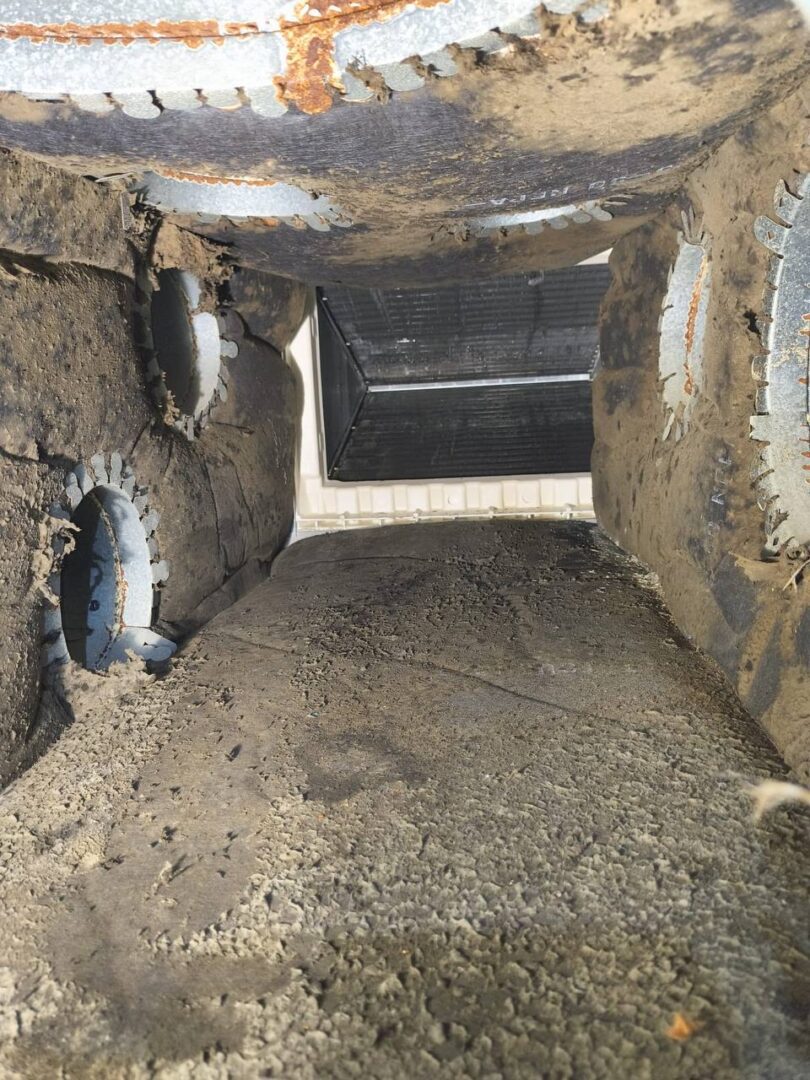
Indoor air quality in Houston is not just a health concern. It is a climate-driven challenge that affects virtually every home in the region. The combination of extreme humidity, proximity to industrial zones, heavy construction activity, and intense seasonal allergen cycles creates an indoor air quality profile that is fundamentally different from any other major city in the United States.
Understanding what makes Houston’s indoor air unique is the first step toward creating a living environment that protects your family’s health and your home’s long-term condition.
What Makes Houston’s Indoor Air Different
Every home exchanges air with the outdoor environment through your HVAC system, open windows, and natural leakage points in the building envelope. In Houston, the outdoor air that enters your home carries a significantly higher load of contaminants and moisture than air in most other regions.
**Industrial pollutants and chemical emissions.** Houston is home to the largest petrochemical complex in the Western Hemisphere. Industrial emissions from refining, chemical manufacturing, and energy production contribute to elevated particulate and chemical pollutant levels in the outdoor air throughout the metropolitan area. These pollutants enter your HVAC system through return vents and air handler intake, where they settle on interior surfaces of your ductwork and coil components.
**Pollen and biological allergens at extreme levels.** Central Texas and the Houston metropolitan area consistently rank among the worst cities in the nation for seasonal allergies. The extended growing season, combined with high humidity, creates conditions where pollen-producing vegetation is active for nearly ten months of the year. Cedar fever, oak pollen, ragweed, and mold spore counts in Houston regularly exceed levels considered hazardous for sensitive individuals.
**Construction dust and particulate matter.** Houston is one of the fastest-growing cities in the United States. Continuous construction activity generates enormous quantities of fine particulate dust that settles on outdoor surfaces and enters homes through HVAC intakes. Construction dust contains silica, drywall gypsum particles, and various chemical compounds that are particularly irritating to the respiratory system.
**Extreme humidity and biological growth conditions.** Houston’s average relative humidity frequently exceeds 70 percent throughout most of the year. When humid outdoor air enters your home through the HVAC system, it creates conditions inside ductwork that support mold, mildew, and bacterial growth. The combination of moisture, organic debris from pollen, and the dark, enclosed environment inside ductwork provides an ideal habitat for biological contamination.
Key Sources of Indoor Air Pollutants in Houston Homes
**HVAC system internal contamination.** The largest single source of indoor air pollutants in most Houston homes is the HVAC system itself. When air is pulled through return ducts, it deposits dust, pollen, pet dander, skin cells, and other particulate matter on the interior surfaces of the duct system. The evaporator coil traps additional moisture and organic debris, creating conditions where mold and bacteria multiply. Every time the system cycles, it redistributes a portion of these accumulated contaminants back into your living spaces.
**Pet dander and animal allergens.** Homes with pets generate a continuous supply of dander, saliva particles, and other animal proteins that settle into ductwork, carpets, and upholstered furnishings. Cat and dog allergens remain airborne for extended periods and can persist in indoor environments for months after a pet is removed.
**Cooking emissions and kitchen particulates.** Cooking generates grease aerosols, smoke particles, and combustion byproducts that enter the indoor air supply and are drawn into the HVAC system through return vents. In homes without proper range hood ventilation, a significant portion of these emissions enters the duct system.
**Cleaning product residues and volatile organic compounds.** Common cleaning products release volatile organic compounds (VOCs) that off-gas into indoor air and eventually settle on surfaces throughout the home, including the interior of ductwork where they combine with other particulate matter to form a complex chemical mixture that is redistributed by the HVAC system.
How to Improve Indoor Air Quality in Your Houston Home
**Professional HVAC cleaning every 3 to 5 years.** This is the most impactful single step you can take to improve indoor air quality. Professional NADCA-certified cleaning removes accumulated debris from all 8 HVAC components including return ducts, evaporator coils, blower fan, heating chamber, plenum box, supply ducts, register boxes, and grills. Our average cleaning takes 7 hours because we do not skip any component.
**Replace air filters on a strict schedule.** For most Houston homes, standard 1-inch pleated filters should be replaced every 30 to 60 days. Homes with pets or allergy sufferers should replace filters on the shorter end of that range. Higher-capacity 4-inch and 5-inch media filters have longer service intervals and should be replaced according to manufacturer recommendations, typically every six to twelve months.
**Control indoor humidity.** Maintaining indoor relative humidity between 40 and 55 percent significantly reduces the risk of mold and mildew growth inside your HVAC system and throughout your home. Use a whole-home dehumidification system if your HVAC system does not adequately control humidity, and address any water intrusion or plumbing issues promptly.
**Improve ventilation and air exchange.** While Houston’s outdoor air quality is not ideal, controlled ventilation with properly filtered outdoor air is important for diluting indoor pollutants. Consider installing a whole-home energy recovery ventilator (ERV) that exchanges indoor air with filtered outdoor air while recovering energy from the outgoing air stream.
**Professional mold inspection and remediation when needed.** If you notice musty odors, visible mold growth, persistent allergy symptoms, or have experienced water intrusion in your home, a professional mold inspection is warranted. Our NADCA-certified technicians can assess whether mold contamination in your HVAC system is contributing to your indoor air quality problems and recommend an appropriate remediation plan.
The Connection Between Indoor Air Quality and Health
Poor indoor air quality in Houston homes is directly linked to an increased incidence of respiratory symptoms, allergy flare-ups, asthma attacks, and general health complaints among household members. Children, elderly residents, and individuals with pre-existing respiratory conditions are particularly vulnerable to the effects of contaminated indoor air.
Common health symptoms associated with poor indoor air quality include persistent nasal congestion, sneezing, itchy watery eyes, throat irritation, coughing, difficulty breathing, fatigue, headaches, and difficulty concentrating. If these symptoms improve when family members leave the home and return when they are inside, indoor air contamination is a likely contributing factor.
Book Your Free Indoor Air Quality Inspection
If you want to understand the true condition of your HVAC system and how it is affecting your home’s indoor air quality, schedule a free inspection. Our NADCA-certified technicians will document the condition of your system, identify contamination sources, and provide an honest assessment of what needs to be done to improve your indoor environment.
[Book a Free Inspection](https://crm.ahchooindoorair.com/book)
AH-CHOO! Indoor Air Quality serves Houston, Austin, San Antonio, and South Louisiana. NADCA certified. Average job time: 7 hours. 8 components cleaned every service. 38 years of experience.
Related AH-CHOO resources: Houston air duct cleaning; schedule a free inspection.