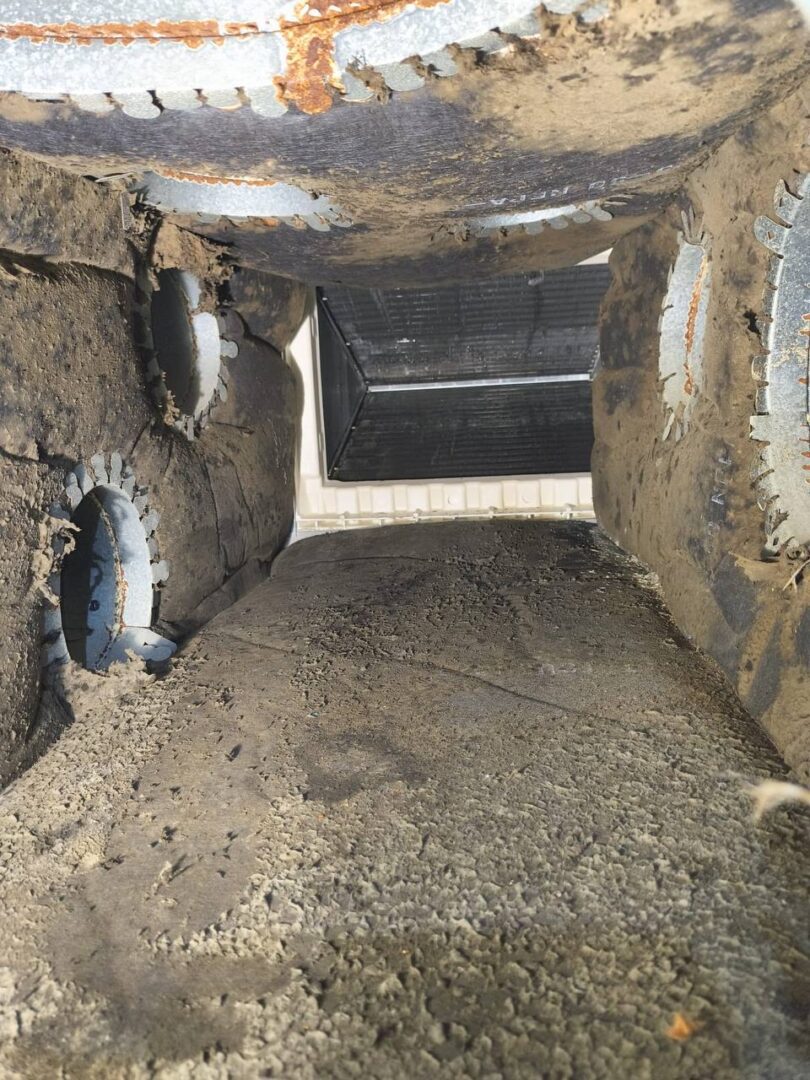
Houston’s indoor air pollution problem is rarely visible, rarely measurable without professional equipment, and almost never discussed. Most homeowners assume that because they cannot see dust settling on their furniture at a concerning rate, the air they breathe is clean. The truth is that the most dangerous indoor air pollutants in Houston homes are invisible, odorless, and present in concentrations that far exceed what most people realize.
Understanding the specific pollutants that affect Houston homes is essential for making informed decisions about HVAC maintenance, indoor air quality interventions, and home improvements that protect your family’s health.
Particulate Matter: The Primary Indoor Air Concern
Particulate matter (PM) is the broad category of microscopic solid and liquid particles that remain suspended in indoor air. In Houston homes, the particulate load is uniquely high due to the convergence of industrial emissions, construction dust, pollen, and biological contamination.
**PM2.5 particles** measure less than 2.5 microns in diameter and are small enough to penetrate deep into lung tissue and even enter the bloodstream. Common sources of PM2.5 in Houston homes include vehicle exhaust from the city’s extensive highway system, industrial emissions from the Houston Ship Channel and surrounding petrochemical facilities, cooking emissions, and combustion byproducts from gas appliances.
**PM10 particles** measure up to 10 microns and include pollen grains, mold spores, pet dander, construction dust, and dust mite debris. These larger particles deposit in the upper respiratory tract and nasal passages, where they trigger allergic reactions, sinus inflammation, and respiratory irritation.
Biological Contaminants: Mold, Bacteria, and Allergens
Houston’s humid climate creates an environment where biological contaminants thrive inside HVAC systems and throughout the home.
**Mold spores and mycotoxins.** Mold grows on any organic surface that remains damp for an extended period. In Houston homes, mold colonization inside HVAC ductwork, the evaporator coil housing, the plenum box, and around condensate drain lines is common. When mold colonies mature, they release millions of spores into the airstream that are distributed to every room the system serves. Some mold species produce mycotoxins — chemical compounds that can cause serious health effects including respiratory distress, neurological symptoms, and immune system suppression.
**Dust mite debris and allergens.** Dust mites are microscopic arachnids that feed on human and animal skin cells and produce waste particles that are among the most potent indoor allergens. Houston’s high humidity provides ideal conditions for dust mite reproduction, and dust mite allergens are consistently present in the indoor air of homes where dust has been allowed to accumulate.
**Bacterial contamination.** The moist, dark environment inside HVAC ductwork and around the evaporator coil supports bacterial growth. Certain bacteria, particularly gram-negative species, produce endotoxins — cell wall components that trigger inflammatory responses in the respiratory system when inhaled.
Chemical Pollutants: VOCs and Off-Gassing
Volatile organic compounds (VOCs) are chemical compounds that evaporate at room temperature and enter the indoor air supply. Houston homes are exposed to a broader range of chemical pollutants than many other cities due to the proximity of industrial facilities.
**Common indoor VOC sources** include cleaning products, paints and finishes, building materials such as particleboard and plywood, carpet and upholstery adhesives, air fresheners and personal care products, and off-gassing from new furniture and household items. Each of these sources releases a complex mixture of chemical compounds into indoor air that combine with particulate matter and biological contaminants to create a chemical environment inside the home that most people cannot detect until symptoms appear.
What You Can Do to Protect Your Indoor Air
**Professional HVAC cleaning on a regular schedule.** The single most effective step you can take to reduce indoor air pollutant concentrations is to have your entire HVAC system professionally cleaned. When the interior surfaces of your ductwork, evaporator coil, blower fan, heating chamber, and plenum box are free of accumulated debris, the system stops acting as a secondary source of pollutants and begins functioning as the clean air delivery mechanism it was designed to be.
Regular professional cleaning every 3 to 5 years eliminates the reservoir of particulate matter, biological contamination, and chemical residues that would otherwise be redistributed into your living spaces every time the system cycles. Our NADCA-certified service addresses all 8 HVAC components in a thorough 7-hour process that leaves your entire system clean.
**Proper ventilation and filtration.** Installing high-quality air filters rated for particulate capture and maintaining a regular replacement schedule is essential. For homes with significant chemical pollutant concerns, activated carbon filtration can reduce VOC concentrations in the air supply.
**Humidity control.** Maintaining indoor relative humidity between 40 and 55 percent eliminates the conditions that support mold and dust mite growth. This is one of the most important environmental controls you can implement in a Houston home.
**Source elimination and reduction.** Reducing or eliminating sources of indoor air pollutants is the most fundamental approach to improving indoor air quality. This includes choosing low-VOC products, using range hoods during cooking, avoiding chemical air fresheners, and promptly addressing any water intrusion or plumbing leaks that could initiate biological contamination.
Schedule Your Free Inspection
If you have concerns about the air quality inside your home, the best first step is a free inspection of your HVAC system. Our technicians will document the condition of all 8 components, identify contamination sources, and provide an honest assessment of what needs to be done to improve your indoor environment.
[Book a Free Inspection](https://crm.ahchooindoorair.com/book)
AH-CHOO! Indoor Air Quality serves Houston, Austin, San Antonio, and South Louisiana. NADCA certified. Average job time: 7 hours. 8 components cleaned every service. 38 years of experience.
Related AH-CHOO resources: Houston air duct cleaning; schedule a free inspection.