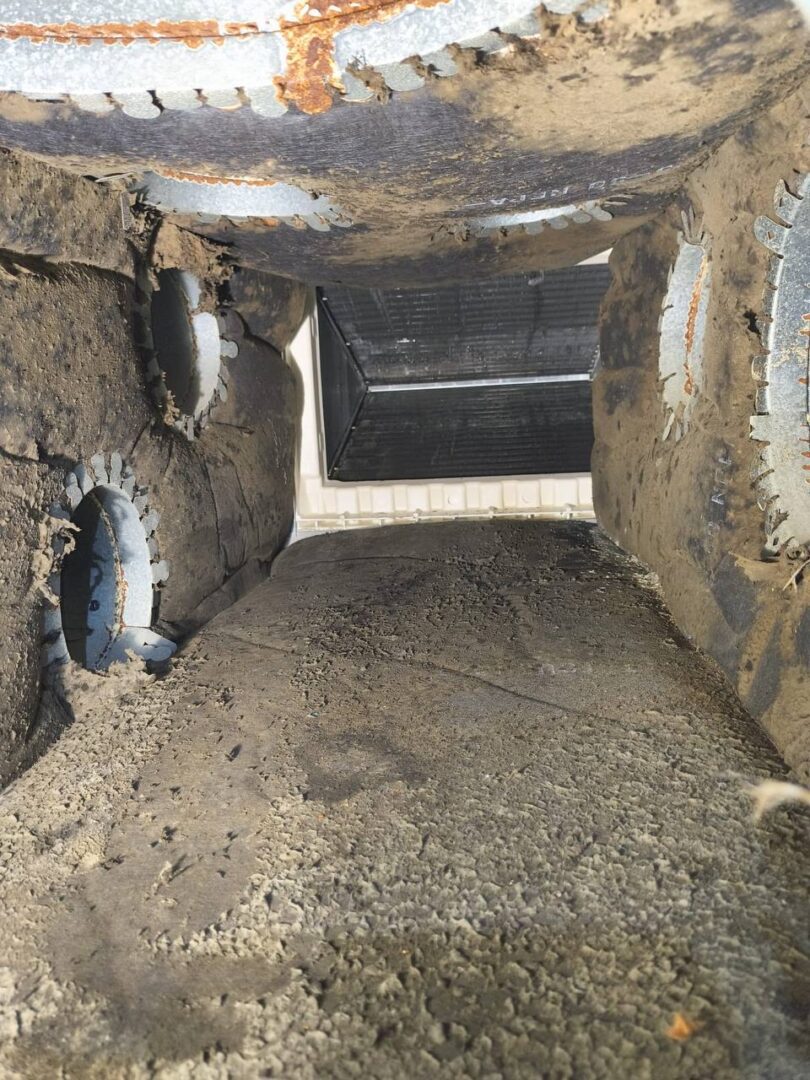
Cedar fever is not a real illness despite the name. It is an allergic reaction to the pollen of mountain cedar trees, which release massive amounts of pollen across Central Texas and the greater Houston area from December through February each year. Mountain cedar trees are highly efficient at wind-pollination, and a single tree can release billions of pollen grains into the atmosphere during peak season. What makes cedar fever so intense in this region is that our homes, our outdoor environments, and our HVAC systems are constantly exposed to this concentrated pollen load.
Most people assume that staying indoors protects them from cedar pollen. The truth is more complicated. Your HVAC system is designed to pull outside air into your home through return vents, circulate it through the system, and distribute it through supply vents in every room. If your ductwork has not been professionally cleaned, the cedar pollen already inside your system is being recirculated through your living spaces every time the system turns on.
Why Cedar Pollen Gets Inside Your Ductwork
Cedar pollen grains are extremely small, measuring only about 20 to 25 microns in diameter. These particles are small enough to pass through most standard air filters and enter the interior of your duct system. Once inside, cedar pollen adheres to the inner surfaces of your supply and return ducts, the evaporator coil, the plenum box, and the blower fan assembly.
In a typical Houston-area home, a single cedar season deposits a measurable layer of cedar pollen inside the ductwork. When the system continues to operate without professional cleaning, that pollen is redistributed into the indoor air supply. If you are someone who experiences cedar fever symptoms including sneezing, itchy eyes, congestion, and fatigue, your own HVAC system may be part of the problem.
The Houston Cedar Allergy Calendar
Mountain cedar pollination in the Houston and South Texas region follows a predictable annual pattern. Peak pollen counts typically begin in early December, reach their maximum intensity in late December and January, and then gradually decline through February. During peak season, cedar pollen counts can exceed ten thousand grains per cubic meter of air, making it one of the most dominant allergens in the region.
The transition from cedar season to spring allergens happens quickly. By late February and early March, cedar pollen counts drop sharply while oak, pine, and grass pollen begin to rise. Homes that have not been professionally cleaned during this transition are now facing a double load of cedar and spring allergens trapped inside the duct system.
How Your HVAC System Recirculates Cedar Allergens
When your HVAC system cycles on, the blower fan draws air through the return ducts. Any cedar pollen that has settled on the interior surfaces of the ducts, the evaporator coil, the plenum box, or the blower fan blades is disturbed and pulled into the airstream. The pollen then passes through the filter and is distributed through every supply vent in your home.
Even if you keep your windows closed, use high-quality filters, and limit outdoor exposure, the allergy triggers inside your ductwork continue to contribute to your symptoms. This is one of the most overlooked aspects of cedar fever management.
What You Can Do to Manage Cedar Allergies at Home
**Schedule professional duct cleaning before cedar season begins.** Cleaning your HVAC system in November or early December removes the accumulated allergen load from the previous year and gives you a clean baseline as the new pollen season starts.
**Upgrade to a high-quality air filter.** MERV 11 to MERV 13 filters are effective at capturing smaller pollen particles including cedar pollen. Change filters more frequently during peak season to maintain effectiveness.
**Keep windows and doors closed during peak pollen count days.** Cedar pollen concentrations are highest on dry, windy days and immediately after rain when the wind stirs up settled pollen from surfaces.
**Run your HVAC fan during peak pollen hours.** Running the fan continuously helps maintain consistent filtration through your system. If your system includes a whole-home air purifier or UV germicidal light, continuous operation maximizes their impact.
**Schedule a free inspection to verify your system’s condition.** If you have never had your ducts professionally inspected or you are unsure when they were last cleaned, cedar season is the worst possible time to discover that your system is contributing to your allergy symptoms.
Our cleaning addresses all eight HVAC components using NADCA-certified source removal methods. The average service takes seven hours because we do not skip steps or cut corners on any part of the system. Every supply duct, return duct, coil, plenum, blower fan, heating chamber, register box, and grill receives the same thorough treatment.
When your system is clean, the air circulating through your home during cedar season is filtered and filtered again instead of continuously recirculating the same trapped allergens. The difference is noticeable for most allergy sufferers within the first few days after service.
Book Your Free Inspection
If you struggle with cedar fever symptoms and your HVAC system is potentially contributing to your exposure, schedule a free inspection before next season begins. Our NADCA-certified technicians will document the current condition of your system’s interior and give you an honest assessment based on what they find.
[Book a Free Inspection](https://crm.ahchooindoorair.com/book)
AH-CHOO! Indoor Air Quality serves Houston, Austin, San Antonio, and South Louisiana. NADCA certified. Average job time: 7 hours. 8 components cleaned every service. 38 years of experience.
Related: Houston Indoor Air Pollutants: The Hidden Dangers in Your Home’s Air.
Related: Indoor Air Quality in Houston: The Complete Guide for Homeowners.
Related AH-CHOO resources: Houston air duct cleaning; schedule a free inspection.