SEO Title: Restaurant Kitchen Duct Cleaning in Texas: Health Code Compliance Guide
Meta Description: Texas restaurant duct cleaning for health code compliance. NADCA-certified, 38 years experience. Grease-laden kitchen exhaust systems, HVAC IAQ. Book free inspection.
Slug: restaurant-kitchen-duct-cleaning-texas
Target Keywords: restaurant duct cleaning Texas, commercial kitchen duct cleaning Houston, restaurant HVAC cleaning Texas health code
Texas restaurant owners face a dual challenge: keeping kitchens clean for health inspectors while also maintaining the supply-side HVAC ductwork that delivers conditioned air throughout the dining room, bar, and staff areas. These are two distinct systems with different contamination profiles — and neglecting either one creates regulatory exposure and real air quality problems for staff and guests.
AH-CHOO! Indoor Air Quality has served Texas commercial facilities for 38 years, including restaurants, catering operations, and food service businesses across Houston and Austin. This guide covers what restaurant operators need to know about supply-side HVAC duct cleaning and how it intersects with Texas health code compliance.
Two Duct Systems in Every Restaurant
Most restaurant owners think of “duct cleaning” as a single category. In reality, commercial food service facilities have two distinct duct systems that require different approaches:
Kitchen Exhaust/Ventilation System
The exhaust hoods over cooking equipment, the grease-laden ducts running from them, and the exhaust fans that remove heat and combustion byproducts. These systems accumulate grease and are regulated under NFPA 96 for fire safety. They require specialized exhaust hood cleaning services.
Supply-Side HVAC Ductwork
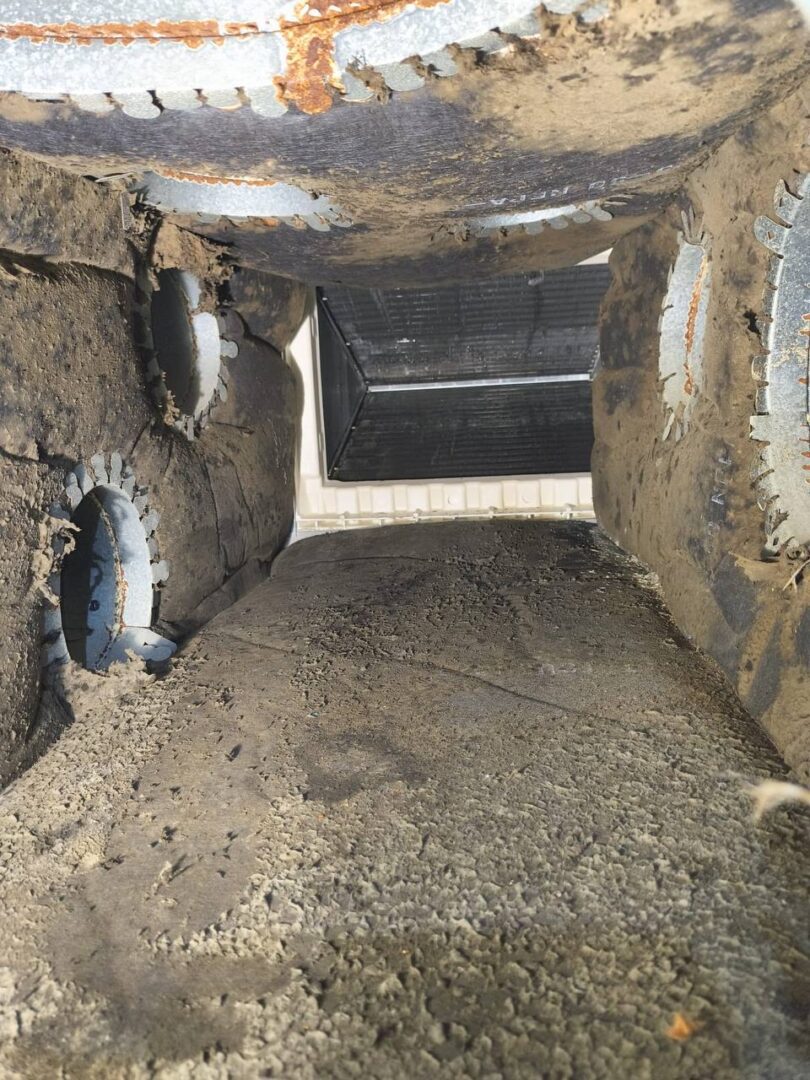
The system that delivers conditioned air throughout the facility — dining room, bar area, private event spaces, restrooms, and back-of-house areas. This system accumulates the same mix of dust, particulates, and potential biological contaminants found in any commercial building, plus the unique challenges of a restaurant environment: cooking odors that permeate the building, grease particles that migrate from the kitchen into adjacent areas, and high humidity from cooking and dishwashing operations.
AH-CHOO! handles supply-side HVAC duct cleaning. This is the system responsible for the air quality your dining guests and staff breathe throughout their time in your facility.
Texas Health Code and Indoor Air Quality
The Texas Food Establishment Rules (TFER), administered by the Texas Department of State Health Services, establish standards for the physical conditions of food service facilities. While the rules focus primarily on food contact surfaces and equipment, IAQ and HVAC system maintenance intersect with compliance in several ways:
Pest Exclusion
Ductwork is a common entry point and harborage for rodents and insects. Health inspectors look for evidence of pest activity, and contaminated HVAC systems can distribute pest evidence throughout a facility. Regular duct inspection and cleaning is part of a defensible pest management program.
Mold and Moisture Control
Texas restaurants operate in high-humidity environments. Moisture accumulation in supply-side ductwork can support mold growth that inspectors will cite as a facility violation. If our inspection identifies biological growth, we can address it directly or coordinate [mold remediation services](/mold-remediation-houston).
Employee Health
Restaurant workers spend 8–12 hours daily in your facility. Poor indoor air quality in back-of-house areas creates health issues that translate to absenteeism, turnover, and OSHA exposure. Clean supply-side ductwork is part of a defensible employee health environment.
What Accumulates in Restaurant HVAC Ductwork
Restaurant environments create a particularly challenging duct contamination profile:
Aerosolized Grease Particles
Even with well-maintained exhaust hoods, cooking operations produce microscopic grease particles that become airborne and migrate into supply-side air intake. Over time, these particles coat duct interiors, becoming sticky surfaces that trap other contaminants.
Cooking Odors and VOCs
The compounds responsible for cooking odors are absorbed by dust and debris inside ductwork. Restaurants with significant duct contamination often notice that food odors linger in dining areas even when the kitchen is inactive — a sign that the HVAC system itself has become a reservoir for odor compounds.
High Humidity and Biological Growth
Commercial kitchens produce substantial humidity. In Texas’s already-humid climate, this creates conditions where the supply-side ducts — particularly in areas adjacent to the kitchen — can develop biological growth if not properly maintained.
Heavy Foot Traffic Particulates
Restaurant dining rooms experience high customer turnover. This means continuously elevated particulate loads from foot traffic, outdoor air infiltration through frequently-opened doors, and the general activity of busy service periods.
Before a Health Inspection: What to Address
If you have a Texas DSHS inspection scheduled or want to proactively prepare, here’s how supply-side duct cleaning fits into the picture:
1. Document your HVAC maintenance history. Inspectors look for records of equipment maintenance. A recent NADCA-certified duct cleaning adds to your facility’s maintenance documentation.
2. Address any moisture issues before cleaning. If you know of condensation problems, roof leaks, or plumbing issues near HVAC equipment, address those before duct cleaning — otherwise contamination will return quickly.
3. Inspect registers and diffusers. Supply registers in dining rooms and restrooms that show dust accumulation are visible signals of duct contamination. Clean registers often prompt inspector questions about the ductwork behind them.
4. Get a professional assessment. Our free inspection documents current conditions and identifies any issues that need attention before they become compliance problems.
High-Volume vs. Independent Restaurants: Different Needs
High-Volume and Chain Locations
Multi-location operators and high-volume restaurants benefit from scheduled maintenance programs that coordinate duct cleaning across locations on a consistent calendar. Documentation from NADCA-certified cleaning can be standardized across the portfolio and presented to corporate or franchise compliance officers.
Independent and Chef-Driven Restaurants
Independent operators often have older buildings with legacy HVAC configurations. Austin’s restaurant row, Houston’s Montrose and Midtown dining scenes, and Texas’s growing suburban restaurant corridors include buildings with ductwork that hasn’t been professionally cleaned in years. A free inspection is the starting point for understanding what’s there and creating a maintenance plan.
Scheduling Around Restaurant Operations
The biggest operational challenge for restaurant duct cleaning is timing. Unlike office buildings that close predictably, restaurants have complex schedules: lunch and dinner service, late-night hours, private events, and prep time.
AH-CHOO! works with restaurant operators to schedule cleaning during genuine downtime — typically overnight, Monday mornings, or during scheduled closure periods. Our one-job-per-day approach means we arrive with the full crew and equipment needed to complete the work efficiently, without multiple return visits that would extend the disruption window.
Frequently Asked Questions: Restaurant Duct Cleaning in Texas
Does AH-CHOO! clean grease exhaust hoods and kitchen exhaust ducts?
No. AH-CHOO! specializes in supply-side HVAC duct cleaning — the system delivering conditioned air to your dining room, bar, and occupied spaces. Kitchen exhaust hood cleaning is a separate specialty. We focus on the IAQ side: the air your guests and staff breathe.
How does restaurant duct cleaning differ from regular commercial cleaning?
Restaurant environments introduce unique contaminants — aerosolized grease particles, heavy humidity from cooking, high foot traffic — that accelerate duct contamination compared to standard office environments. Our assessment accounts for these factors when evaluating your system.
Can poor HVAC ductwork cause a health code violation?
Indirectly, yes. Mold or pest evidence in HVAC systems can constitute a violation. Persistent odors from contaminated ductwork may also draw inspector attention to the system. Proactive maintenance reduces this risk.
How often should Texas restaurants clean their HVAC ductwork?
Given the accelerated contamination typical of restaurant environments, most Texas food service operators benefit from professional HVAC duct inspection every two years and cleaning when contamination is present. High-volume locations may warrant more frequent attention. A free inspection gives you a factual baseline.
Will duct cleaning help with dining room odor control?
Often, yes. When ductwork has accumulated cooking odors and associated compounds, the HVAC system recirculates them every time it runs. Thorough duct cleaning frequently reduces baseline odor levels in dining rooms and bar areas.
Do you provide documentation after cleaning for compliance records?
Yes. AH-CHOO! provides documentation of completed commercial duct cleaning work, suitable for facility maintenance records and compliance files.
Book Your Restaurant’s Free IAQ Inspection
Whether you’re preparing for a health inspection, addressing employee complaints about air quality, or simply establishing a professional maintenance program, a free inspection from AH-CHOO! is the right starting point. Our NADCA-certified technicians will assess your supply-side HVAC system and give you an honest picture of current conditions.
[Book your free inspection at crm.ahchooindoorair.com/book](https://crm.ahchooindoorair.com/book)
Texas restaurants that take indoor air quality seriously create better environments for their guests, protect their staff, and reduce their compliance exposure. With 38 years of experience across Texas commercial facilities, AH-CHOO! Indoor Air Quality is the partner food service operators trust.
“`json
{
“@context”: “https://schema.org”,
“@graph”: [
{
“@type”: “Article”,
“headline”: “Restaurant Kitchen Duct Cleaning in Texas: Health Code Compliance Guide”,
“description”: “Texas restaurant HVAC duct cleaning for health code compliance. NADCA-certified, 38 years experience. Supply-side IAQ for dining rooms and occupied spaces.”,
“author”: {
“@type”: “Organization”,
“name”: “AH-CHOO! Indoor Air Quality”,
“url”: “https://ahchooindoorair.com”
},
“publisher”: {
“@type”: “Organization”,
“name”: “AH-CHOO! Indoor Air Quality”,
“url”: “https://ahchooindoorair.com”
},
“datePublished”: “2026-03-26”,
“dateModified”: “2026-03-26”
},
{
“@type”: “FAQPage”,
“mainEntity”: [
{
“@type”: “Question”,
“name”: “Does AH-CHOO! clean grease exhaust hoods and kitchen exhaust ducts?”,
“acceptedAnswer”: {
“@type”: “Answer”,
“text”: “No. AH-CHOO! specializes in supply-side HVAC duct cleaning — the system delivering conditioned air to your dining room, bar, and occupied spaces. Kitchen exhaust hood cleaning is a separate specialty.”
}
},
{
“@type”: “Question”,
“name”: “Can poor HVAC ductwork cause a health code violation in Texas?”,
“acceptedAnswer”: {
“@type”: “Answer”,
“text”: “Indirectly, yes. Mold or pest evidence in HVAC systems can constitute a violation under Texas Food Establishment Rules. Persistent odors from contaminated ductwork may also draw inspector attention. Proactive maintenance reduces this risk.”
}
},
{
“@type”: “Question”,
“name”: “How often should Texas restaurants clean their HVAC ductwork?”,
“acceptedAnswer”: {
“@type”: “Answer”,
“text”: “Most Texas food service operators benefit from professional HVAC duct inspection every two years and cleaning when contamination is present. High-volume locations may warrant more frequent attention. A free inspection gives you a factual baseline.”
}
},
{
“@type”: “Question”,
“name”: “Will duct cleaning help with dining room odor control?”,
“acceptedAnswer”: {
“@type”: “Answer”,
“text”: “Often yes. When ductwork accumulates cooking odors and associated compounds, the HVAC system recirculates them continuously. Thorough duct cleaning frequently reduces baseline odor levels in dining rooms and bar areas.”
}
},
{
“@type”: “Question”,
“name”: “Do you provide documentation after cleaning for compliance records?”,
“acceptedAnswer”: {
“@type”: “Answer”,
“text”: “Yes. AH-CHOO! provides documentation of completed commercial duct cleaning work, suitable for facility maintenance records and Texas health code compliance files.”
}
}
]
}
]
}
“`
Related AH-CHOO resources: commercial air duct cleaning; schedule a free inspection.