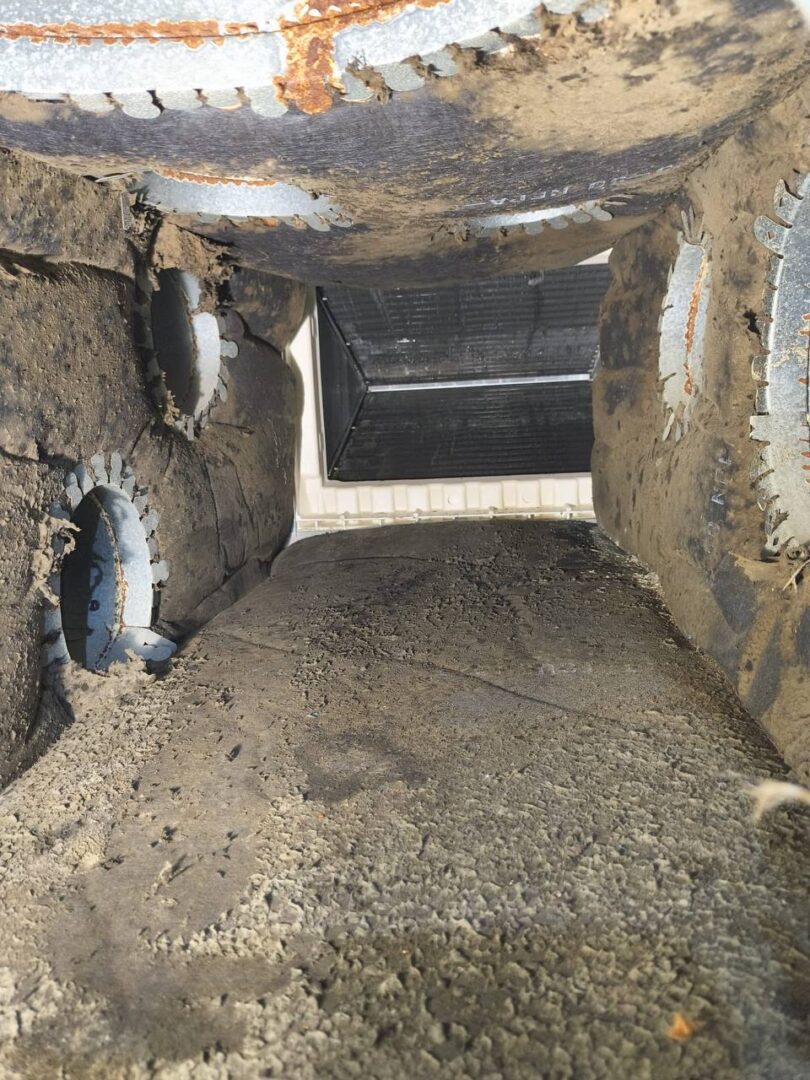
Commercial Air Duct Cleaning in Houston: An Inspection-Led Facility Guide
Facility managers in Houston oversee buildings with changing occupancy, long cooling seasons, renovation activity, and HVAC systems that may serve many rooms or zones. Those conditions make ductwork inspection an important part of informed maintenance planning. Commercial duct cleaning should begin with a qualified inspection rather than an automatic recommendation.
An inspection can document accessible HVAC pathway conditions, visible debris, register and grille conditions, and areas where the duct system may need attention. When findings support service, a source-removal process can be planned around the building, equipment, access points, and operating schedule. The goal is a documented decision based on observed conditions—not a promise of a particular result.
What commercial duct cleaning evaluates
Commercial air duct cleaning focuses on accessible parts of the air-distribution system. Depending on the building and system design, an inspection may review supply and return pathways, air-handling compartments, dampers, plenums, grilles, registers, filter areas, and other accessible components. The inspector should note the system type, access limitations, visible debris, moisture-related observations, and any conditions that could affect the work plan.
Visible observations are different from laboratory analysis. A visual inspection can record what is present and accessible at the time of the visit, but it does not by itself identify every material or establish a laboratory finding. If a facility has a separate environmental or building investigation, that should remain a separate scope with its own qualified provider and documentation.
For Houston facilities, the inspection should also account for the building’s use, areas with restricted access, recent construction or remodeling, service history, and whether the HVAC system has been modified. These details help determine which pathways can be reviewed and whether source removal is appropriate for the observed condition.
Large facilities may have different conditions from one wing, tenant area, or air-handling unit to another. A useful scope should therefore identify the specific zones reviewed instead of treating the entire building as one uniform system. That approach gives the maintenance team a clearer record for future inspections and helps prevent unrelated areas from being included without supporting observations.
Signs a Houston facility may need an inspection
A facility may benefit from an HVAC pathway inspection when maintenance staff observe recurring or unexplained debris at registers, visible buildup in accessible components, restricted or damaged access points, or a change in ductwork condition after construction. Repeated complaints about dust settling near supply registers can also justify documenting the system rather than assuming the cause.
Other useful triggers include a change in occupancy, a long gap in documented ductwork service, work that created construction dust near air pathways, or a planned HVAC repair that will expose components. These signs do not prove that cleaning is needed. They indicate that an inspection may help the facility team decide what should happen next.
Facility managers should document the locations, dates, photographs, maintenance history, and operating conditions associated with an observation. Good records make it easier to compare findings across floors or zones and to communicate a defined scope to building owners, tenants, and maintenance contractors.
How an inspection-led source-removal process works
1. Define the building and system scope
Start with the building address, occupied areas, HVAC zones, access requirements, and any rooms that must remain operational. The service team should know about security procedures, ceiling access, sensitive equipment, fire and life-safety requirements, and scheduling restrictions before the visit.
2. Inspect accessible components
A qualified technician reviews the agreed areas and records visible conditions. The inspection should identify which components were accessible, which were not, and what observations support or do not support a cleaning recommendation. Photographs and a written scope can reduce ambiguity before work begins.
3. Prepare containment and protection measures
When service is appropriate, the work plan should address protection of occupied areas and nearby equipment. The team may isolate sections, protect furnishings and finishes, and coordinate system shutdowns or access windows as the building requires. The exact controls depend on the site and the observed condition.
4. Use source-removal methods suited to the system
Source removal generally involves controlled agitation and collection of loosened material with equipment suited to the duct system and accessible components. The work plan should identify the sections included, access points, protection measures, and how openings will be restored. No single method is appropriate for every building; the inspection findings and system construction should guide the scope.
5. Document the completed scope
After work, the facility should receive documentation describing the areas addressed, access limitations, observations, and any follow-up items. A closeout record helps maintenance staff understand what was included and what remains outside the current scope. If damaged insulation, access panels, or other building conditions are observed, those items should be reported separately rather than assumed to be resolved by cleaning.
Questions facility managers should ask
- Which HVAC zones and accessible components are included in the inspection?
- What visible conditions support a cleaning recommendation?
- Which areas could not be accessed, and why?
- How will occupied spaces, finishes, and nearby equipment be protected?
- What source-removal equipment and access methods are appropriate for this system?
- How will the work area and restored access points be documented?
- What observations require a separate HVAC, building, or environmental review?
- Who will coordinate building access, shutdowns, and tenant communication?
When to schedule an inspection
Schedule an inspection when the facility has documented visible conditions, is planning work that may affect air pathways, or needs a clearer record before setting a maintenance scope. Houston facilities may also choose to review ductwork as part of a broader preventive-maintenance calendar, provided the inspection remains evidence-led and the recommendation is based on observed conditions.
Before the appointment, gather floor plans or zone information, recent HVAC service records, access instructions, photographs, and a list of areas that need special coordination. Identify occupied rooms, restricted areas, and equipment that requires protection. This preparation can help the inspection stay focused and produce a useful written scope.
Commercial duct cleaning Houston FAQ
Does every commercial HVAC system need duct cleaning?
No. A qualified inspection should review accessible conditions and the facility’s maintenance context before a cleaning recommendation is made. The appropriate next step may be cleaning, repair, continued monitoring, or another defined review.
What does a commercial duct inspection show?
It can document visible conditions in accessible HVAC pathways and related components, along with access limitations and observations relevant to a service scope. A visual inspection is not the same as laboratory analysis.
Can a facility remain occupied during service?
That depends on the building, system, work area, and protection plan. The facility manager and service provider should coordinate occupied areas, access, system operation, and scheduling before work begins.
How should a facility compare service proposals?
Compare the defined areas, inspection findings, access plan, protection measures, methods, exclusions, documentation, and follow-up process. A clear scope is more useful than a broad promise without component-level detail.
Plan the next step
If your Houston facility has visible ductwork concerns or needs a documented HVAC pathway review, start with an inspection-led conversation. Learn about commercial air duct cleaning, review the Houston duct cleaning service area, and see the air duct cleaning overview. To discuss building access, system scope, and inspection needs, contact AH-CHOO Indoor Air.