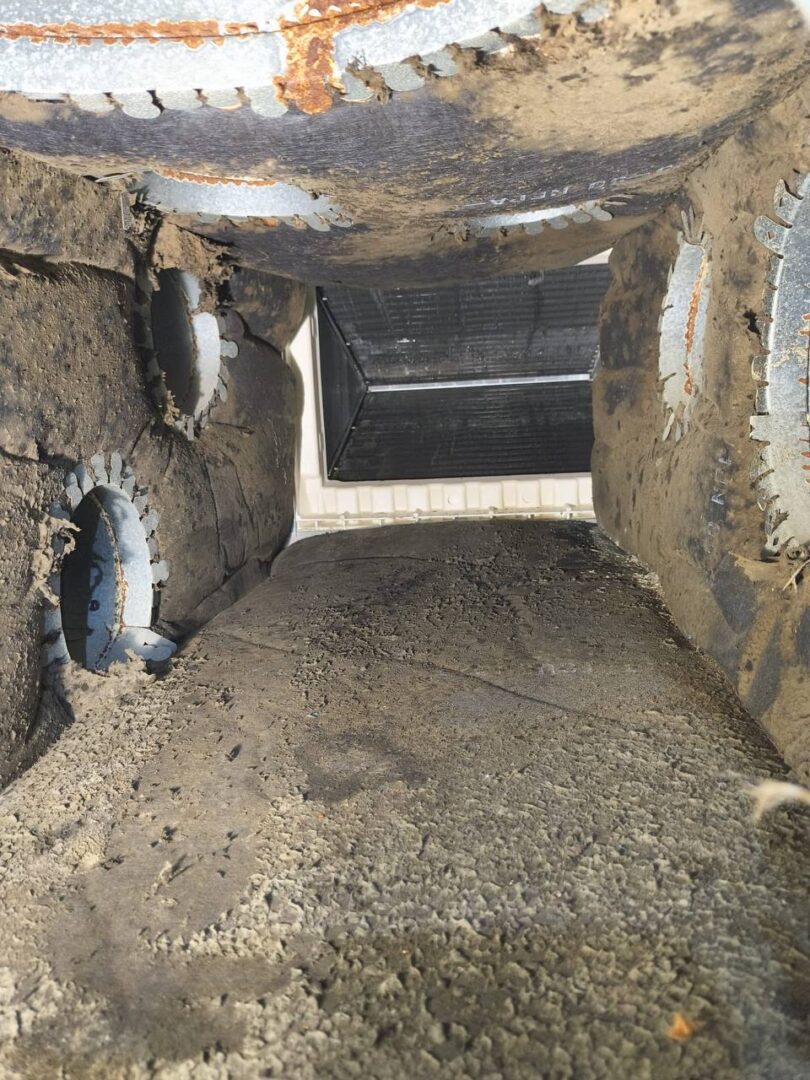
Air Duct Cleaning for New Homeowners
Buying a home is a major transition, and the heating and cooling system deserves attention alongside the roof, plumbing, and electrical equipment. Ductwork is often hidden behind walls, above ceilings, or beneath floors, so its condition may not be obvious during a busy move. A thoughtful review of the HVAC history can help you decide whether the next step should be routine maintenance, a closer inspection, or professional source-removal cleaning.
This guide explains what new homeowners can look for, what an inspection-led service should cover, and how to establish practical upkeep habits. The goal is not to assume that every home needs the same service. It is to use accessible evidence, system history, and clear questions to make a well-informed decision.
Start with the HVAC and Ductwork History
Begin by collecting the information that came with the home. Ask the seller, property manager, or inspector whether service records identify the HVAC equipment, the age of the system, filter dimensions, past repairs, and any work performed on the ductwork. Look for notes about renovations, water intrusion, pest activity, insulation, or sections that were difficult to access.
A home inspection report can provide useful context, but it is not a substitute for a focused ductwork review. The report may describe the equipment and visible connections without documenting the inside of every accessible supply and return path. If the home has been renovated, ask whether drywall, flooring, insulation, or cabinetry work occurred while registers were open. Construction activity can leave ordinary debris near openings and inside accessible portions of the system.
Record the location of supply registers, return grilles, filter racks, and the air handler. Note any rooms with weak airflow or unusual odor. A simple room-by-room map gives a technician a better starting point and helps you compare conditions after service. Homeowners in different markets can also review local service information, including Houston duct cleaning guidance, Austin air duct cleaning service information, and San Antonio air duct cleaning resources.
Visible Signs That Warrant an Inspection
Several observations can justify a closer look without proving that cleaning is necessary. Dust or fibrous debris visible just inside a register, damaged insulation near duct connections, disconnected sections, or gaps around grilles are useful details to document. Persistent musty odors, evidence of moisture, signs of pests, and recurring debris after filters are replaced also merit professional evaluation.
Pay attention to airflow patterns. A room that is consistently harder to heat or cool may have a balancing, filter, damper, insulation, or equipment issue rather than a simple cleanliness issue. Loud rattling, whistling, or movement at a grille can point to an installation or connection concern. A qualified technician should distinguish between duct contamination and problems that belong to HVAC repair, duct sealing, insulation work, or another trade.
Do not rely on a single visual clue. A small amount of settled household dust at a register is not the same as widespread material inside the system. Photograph accessible conditions, keep the original HVAC records, and ask for findings that identify the location and type of material observed. For a deeper introduction to this first step, see the air duct inspection guide.
What Professional Source-Removal Cleaning Includes
A professional cleaning should begin with a system review and a clear scope. The technician should identify the air handler, supply and return sides, accessible trunk lines, branch lines, registers, grilles, and other relevant components. Before work starts, confirm which portions are accessible, how openings will be protected, and how the system will be placed back into service.
Source-removal work uses controlled agitation and collection so loosened material is captured rather than redistributed through the home. The exact tools and sequence depend on the duct design and the material present. Registers and grilles may be removed and cleaned, while accessible interior surfaces and connected components are addressed according to the documented scope. The work area should be protected, and openings should be sealed appropriately when equipment is connected.
Ask for before-and-after documentation where practical. A useful completion record identifies the areas addressed, material observed, limitations caused by inaccessible sections, and any conditions that need another specialist. Cleaning should not be presented as a substitute for repairing leaks, replacing damaged insulation, correcting moisture entry, or servicing HVAC equipment. The benefits of air duct cleaning overview provides additional context for evaluating a service scope.
Questions to Ask Before Service Begins
Clear questions make the appointment easier to evaluate. Ask whether the provider will inspect the complete accessible system before recommending work, which components are included, and how inaccessible areas will be handled. Ask what evidence supports the recommendation and whether photographs or a written report will be supplied.
Confirm how registers, furniture, floors, and nearby finishes will be protected. Ask how the technician will prevent loosened material from entering living spaces, whether the HVAC system will be checked after service, and what filter change or follow-up steps are recommended. Request a written scope that separates duct cleaning from repairs, equipment service, insulation work, or specialty remediation.
Homeowners with properties in other service areas can compare the same evidence-based questions with South Louisiana air duct cleaning information. If the property includes a large commercial or mixed-use system, use the more appropriate commercial air duct cleaning resource rather than assuming a residential process applies.
Filters, Registers, and Practical Upkeep
After moving in, record the filter size and installation date. Use a filter that matches the equipment manufacturer’s guidance and fits securely without bypass gaps. A filter that is too restrictive for the system, installed backward, or left unchanged for too long can affect airflow. Follow the equipment manual and ask an HVAC professional when the correct filter type is unclear.
Keep supply registers and return grilles unobstructed. Vacuum the visible grille surfaces gently, avoid pushing debris into the openings, and address gaps around grilles through an appropriate repair. Keep renovation dust away from open registers and close or protect openings during dusty work. Replace damaged grilles and report recurring moisture or debris instead of repeatedly cleaning only the visible surface.
Maintain a simple log with filter changes, unusual observations, service visits, and any repair recommendations. This record helps future technicians see patterns and gives you a useful baseline. It also supports a more focused inspection when the home changes ownership or when a renovation is planned.
When Another Specialist Is the Appropriate Path
Routine duct cleaning is not the right response to every condition. Visible or suspected microbial growth, active moisture, sewage contamination, fire residue, major pest contamination, damaged insulation, and structural duct failures may require a specialist or repair professional. The first priority is to identify and correct the underlying source. Cleaning alone cannot resolve an active leak, failed insulation, or an equipment defect.
Ask the provider to explain the boundary of the recommended work. A responsible recommendation should identify what was observed, what remains uncertain, and which trade or specialist should evaluate the issue. If a condition extends beyond normal duct cleaning, pause and obtain an assessment from the qualified professional suited to that condition. AH-CHOO can help homeowners understand an inspection-led cleaning scope and can direct questions through the AH-CHOO contact page.
Frequently Asked Questions
Should every new homeowner schedule air duct cleaning?
No. Start with HVAC records, visible observations, and an inspection when the system history or condition is unclear. A professional should explain the evidence and scope before recommending cleaning.
What should a duct inspection examine?
An inspection should review accessible supply and return pathways, registers, grilles, the air handler area, filter rack, connections, and conditions that could affect the system. The technician should document limitations and findings.
Can cleaning fix weak airflow in one room?
Not necessarily. Weak airflow may involve balancing, dampers, leaks, insulation, filters, equipment, or duct design. An inspection helps separate a cleanliness issue from a repair or HVAC service issue.
What should I do before a cleaning appointment?
Share HVAC records, identify rooms with unusual odors or airflow, clear access to registers and the air handler, and ask for the written scope, protection plan, and completion documentation.
When should a specialist evaluate the system instead?
Seek a qualified specialist when there is active moisture, suspected microbial growth, major pest contamination, damaged insulation, fire residue, or a structural duct problem. The underlying condition should be evaluated before routine cleaning proceeds.
A new home is an opportunity to establish a clear maintenance record. By reviewing the system history, documenting visible evidence, asking precise questions, and choosing an inspection-led scope, you can make the next HVAC decision with greater confidence and fewer surprises.