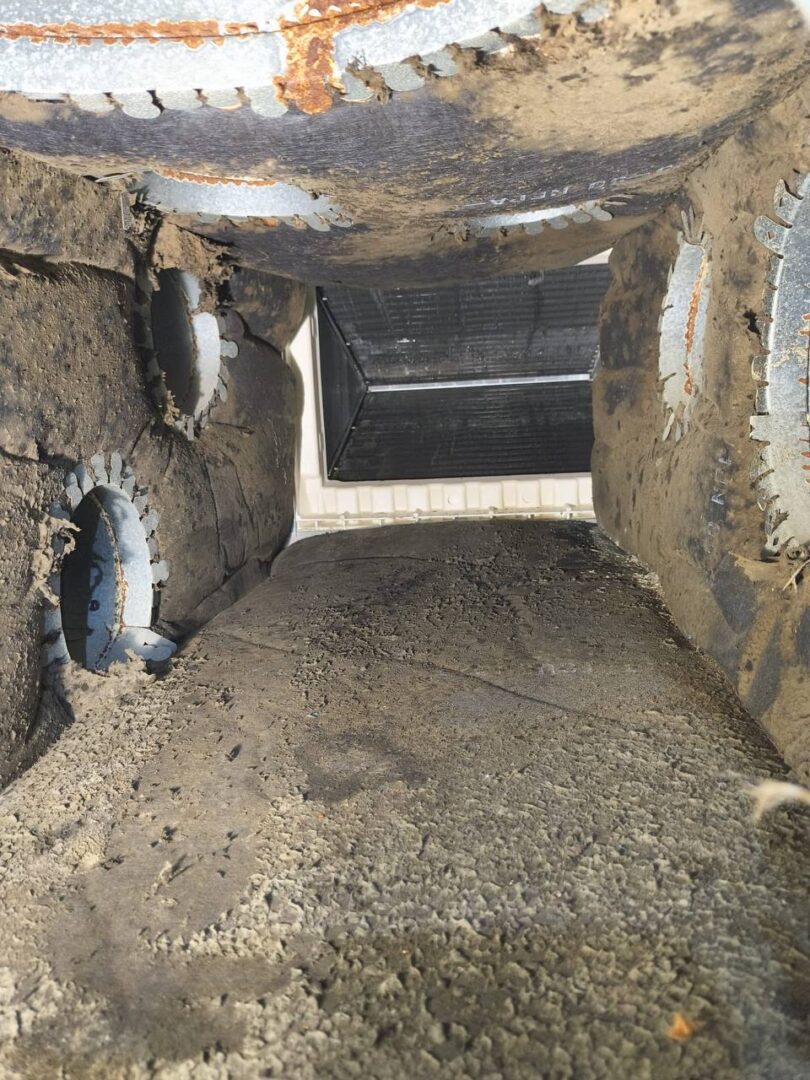
If you own a home in New Orleans or anywhere along the Gulf Coast, you’ve experienced it: humidity so thick you can feel it. But what many homeowners don’t realize is that this same humidity is hard at work inside your HVAC system, creating conditions that make duct cleaning not just a maintenance option but a necessity. Here’s why Gulf Coast humidity makes HVAC cleaning urgent for New Orleans homeowners.
How Gulf Coast Humidity Affects Your HVAC System
The Gulf Coast’s subtropical climate creates a perfect storm for HVAC contamination. New Orleans experiences average relative humidity of 75-85% for much of the year, with dew points frequently above 70°F. Here’s what that means for your ductwork:
- Constant condensation risk: When warm, humid air enters your duct system and meets cooler surfaces (like air conditioning ducts), condensation forms. This moisture collects inside ducts, creating the damp environment that mold, mildew, and bacteria need to thrive.
- Slow drying time: Unlike drier climates where occasional moisture evaporates quickly, Gulf Coast humidity means ducts stay damp longer. Moisture that accumulates overnight may not fully dry before the next cooling cycle begins.
- Organic debris becomes food: Dust, pollen, pet dander, and other organic debris that collects in ducts becomes a food source for microbial growth when combined with moisture from humidity.
- Year-round mold season: While other regions see seasonal mold patterns, the Gulf Coast’s persistent humidity means mold can grow in ductwork year-round, with peak growth during the hot, humid months of May through October.
Why New Orleans Homes Are Especially Vulnerable
New Orleans’ unique geography and climate create conditions that make HVAC contamination more likely than in many other Gulf Coast communities:
- Below-sea-level drainage: Much of New Orleans sits below sea level, with high water tables that create persistent ground moisture. This affects slab foundations and crawlspaces, where ductwork can be exposed to ground-level humidity.
- Frequent rain events: New Orleans averages 62 inches of rain per year — significantly more than the national average. Each rain event raises ambient humidity and can introduce moisture into HVAC systems through duct leaks or insufficiently sealed access points.
- Historic housing stock: Many New Orleans homes have older duct systems installed in unconditioned attics or crawlspaces. Older ductwork is more likely to have leaks, deteriorated insulation, and inadequate sealing that allows humid air to enter.
- Post-hurricane moisture cycles: Homes that have experienced flooding or water intrusion from hurricanes may have residual moisture in building materials that affects indoor humidity levels year after year, even after visible damage has been repaired.
Signs Your HVAC System Needs Urgent Cleaning
In New Orleans’ humid climate, these warning signs should prompt an HVAC inspection and cleaning if you haven’t had one recently:
- Musty odors when the AC runs: A persistent musty or earthy smell when your air conditioner is operating is one of the most common signs of microbial growth in the duct system.
- Reduced cooling efficiency: Debris buildup on the evaporator coil and in the ductwork reduces heat transfer and airflow, making your AC work harder and longer to cool your home.
- Higher energy bills: When your HVAC system has to work harder due to dirty coils and restricted airflow, your energy consumption increases.
- Allergy symptoms that worsen indoors: If family members experience sneezing, congestion, or eye irritation specifically when at home, contaminated ductwork may be circulating pollutants.
- Visible mold around vent registers: Black, green, or white spotting around vents or on the air handler access panel is a clear sign that microbial growth is present in the system.
What’s at Stake: More Than Just Air Quality
Duct cleaning in a humid climate like New Orleans isn’t just about air quality — it affects your entire HVAC system’s performance and longevity:
- Evaporator coil contamination: A dirty evaporator coil can lose up to 30% of its cooling capacity. In a humid climate, this means your AC runs longer cycles, which increases humidity inside your home (since the system doesn’t dehumidify as effectively on short cycles).
- Drain line clogs: Microbial growth in the drain pan and condensate line can cause clogs that lead to water damage and further humidity problems.
- Blower motor strain: Buildup on the blower wheel and motor reduces airflow and forces the motor to work harder, shortening its lifespan and increasing energy costs.
- Compressor wear: An inefficient system runs longer cycles, which accelerates wear on the compressor — the most expensive component to replace.
What Professional HVAC Cleaning Includes
For New Orleans homes with humidity-related contamination, thorough HVAC cleaning goes beyond just the ducts. A complete professional cleaning includes:
- Duct cleaning: Source removal of debris from all supply and return ducts using HEPA vacuum equipment and mechanical agitation.
- Evaporator coil cleaning: The coil is cleaned to remove dirt, dust, and microbial growth that reduces heat transfer efficiency.
- Air handler cleaning: The interior of the air handler cabinet is vacuumed and wiped clean.
- Blower wheel cleaning: The blower wheel and motor housing are cleaned to restore airflow and reduce strain.
- Drain line treatment: The condensate drain line is cleared and treated to prevent future clogs.
- Register and grille cleaning: All vent registers are removed, cleaned, and reinstalled.
How Often Should New Orleans Homeowners Clean Their HVAC System?
In the Gulf Coast climate, the standard NADCA recommendation of every 3-5 years for duct cleaning may not be sufficient. New Orleans homeowners should consider:
- Every 2-3 years: Standard recommendation for Gulf Coast homes with typical humidity exposure.
- Annually: For homes with known mold issues, severe allergy sufferers, or homes in flood-prone areas.
- After any water intrusion: Flooding, roof leaks, or significant plumbing leaks should trigger an immediate HVAC inspection.
- Seasonal check: At minimum, have your system inspected before the summer cooling season (April-May) to address any mold growth that occurred during the winter months.
Schedule Your New Orleans HVAC Cleaning
If you’re a New Orleans homeowner and you’re concerned about the effects of Gulf Coast humidity on your HVAC system, the right first step is a professional inspection. Our technicians understand the unique challenges of the Gulf Coast climate and can assess your system thoroughly. Contact us to schedule your inspection and ensure your HVAC system is clean, efficient, and ready for New Orleans’ humidity.
Related AH-CHOO resources: South Louisiana air duct cleaning.