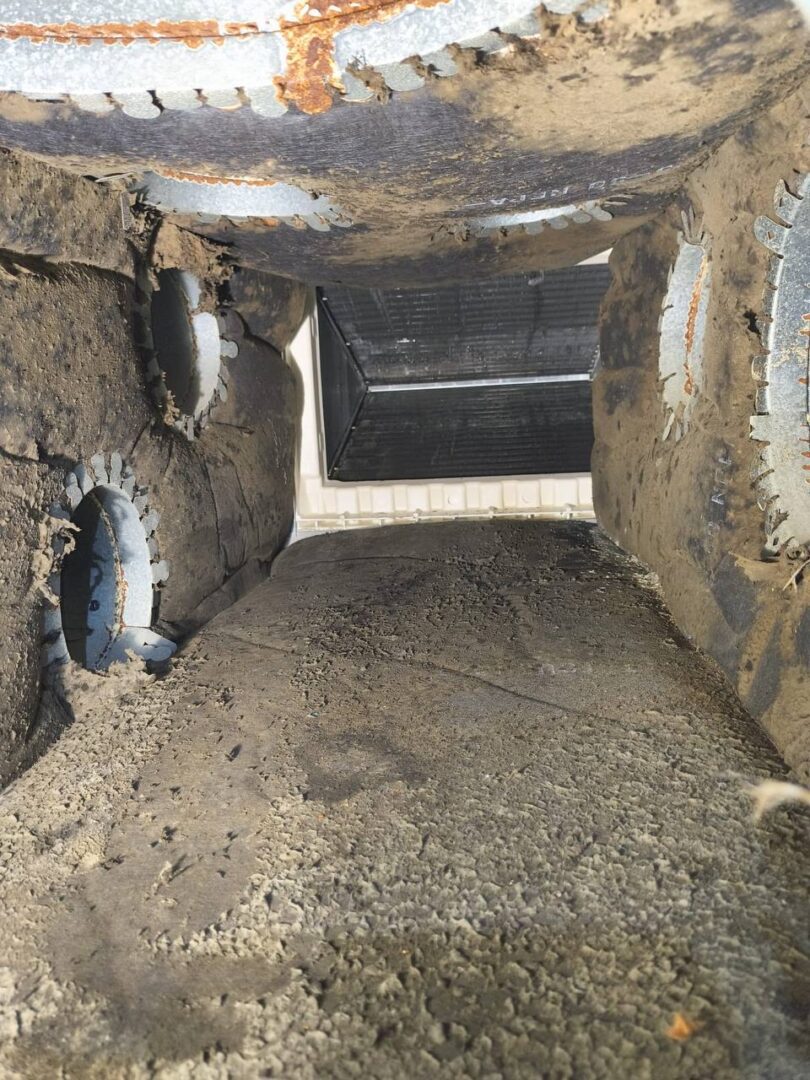
If you’re a San Antonio homeowner noticing dust collecting faster than usual, unexplained musty odors, or a spike in your energy bills, you might be wondering whether your air ducts need attention. Before jumping straight to cleaning, there’s an important first step that many homeowners overlook: a professional air duct inspection.
What Is an Air Duct Inspection?
An air duct inspection is a visual and diagnostic assessment of your home’s entire ductwork system — the network of metal or flexible tubes that carry heated and cooled air from your HVAC system to every room. Unlike a general home inspection, this is a focused evaluation of the ductwork’s physical condition, cleanliness, and airflow performance.
According to NADCA (National Air Duct Cleaners Association) standards, a proper inspection includes examining all accessible components of the system: supply and return ducts, register boots, the air handler compartment, evaporator coil, blower wheel, and filter racks. The inspector documents visible conditions and provides a digital report of findings.
Why San Antonio Homes Need Duct Inspections
San Antonio’s humid subtropical climate creates specific conditions that make duct inspections particularly valuable:
- Humidity and moisture: With average humidity above 65% for much of the year, condensation inside ductwork is a real concern. Moisture can lead to microbial growth that affects both system efficiency and indoor comfort.
- Limestone soil and fine dust: San Antonio’s geological landscape means fine, powdery dust that easily infiltrates ductwork through leaks or poor sealing.
- Slab foundation construction: Many San Antonio homes have ducts running through the slab foundation or attic spaces, both of which are prone to specific issues like pest intrusion or insulation degradation.
- New construction debris: With rapid development across neighborhoods like Stone Oak, Alamo Heights, and Helotes, recently built homes can have construction debris — drywall dust, wood fragments, insulation particles — trapped in ductwork from the building phase.
What an Inspector Looks For
During an air duct inspection, a trained technician examines several key areas:
- Debris accumulation: Visible dust, dirt, and particulate buildup that could restrict airflow or recirculate into living spaces.
- Microbial growth: Signs of mold, mildew, or bacterial colonies, often indicated by discoloration, musty odors, or visible spores near registers.
- Pest evidence: Droppings, nesting material, or actual pest presence (rodents, insects) inside ductwork — a common finding in San Antonio attics and crawl spaces.
- Disconnected or damaged sections: Duct segments that have separated, crushed, or developed leaks, reducing system efficiency.
- Filter condition: The type, age, and cleanliness of air filters, which directly affect duct cleanliness.
- Blower and fan assessment: Condition of the HVAC blower wheel and fan blades, which can accumulate debris and unbalance the system.
Inspection vs. Cleaning: Understanding the Difference
It’s important to understand that inspection and cleaning are two separate services — and inspection always comes first. A reputable air duct service will never recommend cleaning without first documenting a genuine need through inspection.
Why does this matter? Some ductwork is in good condition and doesn’t require cleaning. Forcing cleaning on a system that doesn’t need it is unnecessary and can even disturb settled debris that was not causing any issues. An honest inspection protects you from upselling while ensuring that when cleaning is recommended, it’s based on documented evidence.
What to Expect During Your San Antonio Duct Inspection
A standard residential inspection takes approximately 45 to 60 minutes, depending on your home’s square footage and the number of HVAC systems. Here’s what happens:
- System walkthrough: The technician begins by locating all supply and return registers throughout your home and identifying the main air handler and furnace location.
- Visual inspection: Each accessible component is examined. Depending on duct design, a camera or borescope may be used for sections that aren’t directly visible.
- Documentation: Findings are photographed and recorded. A digital report is compiled showing any problem areas.
- Discussion: The technician walks through the findings with you, explains what each observation means, and answers any questions.
- Recommendation: If cleaning is warranted, the technician explains why and describes what the cleaning process would involve. If the ducts are clean and intact, they’ll tell you that too.
When to Schedule an Inspection
NADCA recommends annual duct inspections. In addition, you should consider scheduling an inspection when:
- You move into a new home (especially a newly built or recently purchased property)
- After home renovations or remodeling projects
- Before or after HVAC equipment replacement
- If you notice visible dust escaping from supply registers
- When unexplained musty or stale odors persist in the home
- During spring or fall allergy season if indoor air quality concerns arise
- After pest treatment or if you suspect rodent activity in the attic or crawl space
Common Findings in San Antonio Duct Systems
San Antonio homes tend to show some recurring patterns during inspections:
- Attic duct issues: Many SA homes have flex duct runs in unconditioned attics. These can suffer from compression (restricted airflow), rodent damage, or insulation degradation.
- Slab-duct moisture: Ducts running through concrete slabs can develop moisture wicking, especially in older homes without proper vapor barriers.
- Post-construction debris: Homes built or renovated within the last 5 years often have residual construction dust in the ductwork.
- Pest intrusion: Warm winters and abundant wildlife make San Antonio attics attractive to rodents, which can enter ductwork through gaps or damaged sections.
Frequently Asked Questions
Q: What does an air duct inspection in San Antonio include?
A: An AH-CHOO inspection covers visual assessment of all accessible ductwork, register boots, air handler compartment, evaporator coil, blower wheel, and filter racks. We check for debris accumulation, microbial growth, pest intrusion, disconnected sections, and insulation integrity. A digital report is provided after inspection.
Q: How long does an air duct inspection take?
A: Most residential inspections are completed within 45–60 minutes, depending on system size and access. Larger homes or properties with multiple HVAC systems may take longer.
Q: Do I need an inspection before air duct cleaning?
A: Yes — a professional inspection always comes before any recommendation to clean. If the ducts are in good condition with minimal debris, cleaning is not necessary. An inspection ensures you only pay for services you actually need.
Q: What are common problems found in San Antonio air ducts?
A: San Antonio’s humid climate and slab-foundation construction make moisture-related issues, dust accumulation, pest intrusion, and post-construction debris the most common findings.
Q: How often should air ducts be inspected in San Antonio?
A: Annual inspection is recommended. Additional inspections are advisable after home renovations, moves, HVAC equipment changes, or if you notice unexplained dust, odors, or allergy symptoms indoors.
Q: Does AH-CHOO serve all San Antonio neighborhoods?
A: Yes — AH-CHOO serves San Antonio including Alamo Heights, Stone Oak, Helotes, Converse, Schertz, Live Oak, Boerne (within service range), New Braunfels, and surrounding Bexar County communities.
Ready to start with an inspection? Contact AH-CHOO to schedule a free, no-obligation assessment of your San Antonio home’s ductwork. We’ll inspect, document, and provide an honest recommendation — no pressure, no upselling.
Learn more about San Antonio air duct cleaning options or read our guide on what to expect during professional duct cleaning. For commercial properties, we also offer commercial HVAC inspection services.
Related AH-CHOO resources: San Antonio air duct cleaning; schedule a free inspection.