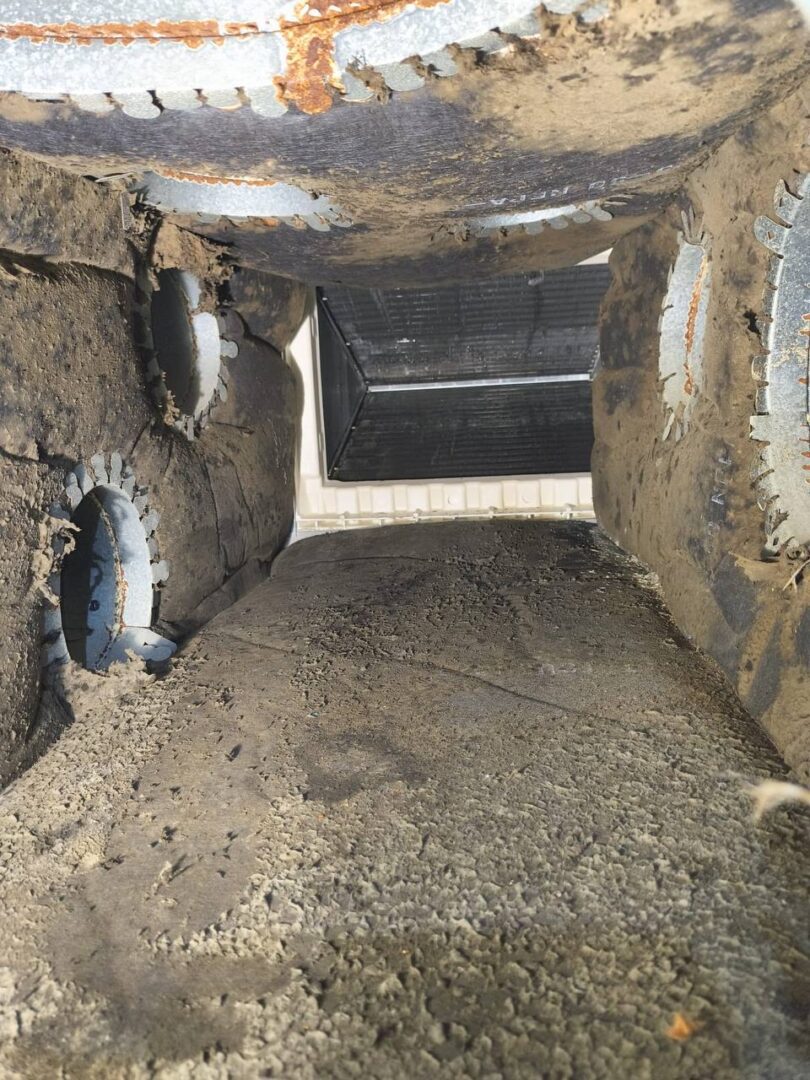
If you live in The Woodlands, you know that living among 30,000+ acres of preserved trees comes with unique benefits — shade, beauty, wildlife — and some unexpected challenges for your home’s HVAC system. One of the most common questions homeowners in this forested community ask is whether mold in air ducts is a real concern. The short answer: yes, and for reasons that are specific to The Woodlands’ environment.
Is Mold in Air Ducts Common in The Woodlands?
Mold in air ducts is a concern in any humid climate, but The Woodlands presents a uniquely favorable environment for mold growth compared to other Houston suburbs. The combination of a dense tree canopy, Gulf Coast humidity, and shaded microclimates means that moisture lingers in and around homes longer than in open-exposure areas like Katy or Sugar Land.
The shade from The Woodlands’ extensive tree canopy keeps ground-level temperatures cooler, which sounds pleasant — but it also means slower evaporation after rain events. When your HVAC system’s ductwork runs through a shaded attic or crawl space that stays damp longer, the conditions for mold development improve significantly.
Why The Woodlands’ Forest Environment Creates Mold Conditions
Several factors make The Woodlands distinct from other Houston suburbs when it comes to duct mold risk:
- Tree canopy shade: The extensive tree cover keeps attics and crawl spaces cooler and more humid than unshaded areas. Cooler surfaces + humid air = condensation — the primary moisture source for mold in ductwork.
- Pine needle and leaf litter: Decomposing organic matter creates acidic soil conditions and releases moisture into the air around foundations. This material is easily tracked indoors and can enter ductwork through return registers near floor level.
- Slower drying times: After rain, shaded areas can take 2-3 times longer to dry than exposed areas. This sustained moisture window gives mold spores the time they need to germinate and colonize.
- Continuous humidity source: With 30,000+ acres of forest, The Woodlands has a constant transpiration cycle — trees release moisture into the air, keeping ambient humidity elevated even during dry spells.
What Causes Mold Growth in Woodlands Ductwork Specifically
While the general causes of mold in ducts apply everywhere — humidity, dust, darkness — The Woodlands has specific factors that amplify the risk:
- Condensation in attic flex duct: Shaded attics stay cooler, and when humid air contacts cool duct surfaces, condensation forms. Over time, this moisture supports mold growth inside ductwork.
- Slab-foundation moisture wicking: Older Woodlands neighborhoods (Grogans Mill, Cochran’s Crossing) were built with slab-on-grade foundations that can wick ground moisture into the lower structure, including duct runs embedded in or near the slab.
- Seasonal HVAC humidity gaps: During spring and fall (shoulder seasons), the AC runs less frequently, which means less mechanical dehumidification. This creates windows of elevated humidity inside ductwork.
- Post-construction moisture: The Woodlands continues to develop — newer sections like East Shore, Creekside Park, and May Valley have homes where construction moisture (drywall mud, concrete curing) hasn’t fully off-gassed, creating initial high-humidity conditions for new duct systems.
How to Tell If There’s Mold in Your Woodlands Air Ducts
Mold in ductwork can be hidden from plain sight, but there are signs Woodlands homeowners can watch for:
- Visible mold around vent registers: Black, green, or white spotting on or near the supply registers where conditioned air enters rooms.
- Musty or earthy odors: A persistent smell that intensifies when the HVAC system runs — particularly noticeable in the morning after the system has been off overnight.
- Worsening allergies indoors: If family members experience sneezing, congestion, or eye irritation that improves when leaving the home, mold spores in the ductwork could be the cause.
- Unexplained moisture: Water stains near duct connections, the air handler cabinet, or around ceiling registers suggest ongoing moisture problems that support mold growth.
- Visible moisture or condensation: Droplets on duct surfaces, especially in unconditioned attic spaces, indicate the conditions needed for mold colonization.
The Difference Between Houston Mold and Woodlands Mold
It’s helpful to understand that mold problems in The Woodlands differ from other Houston suburbs in important ways:
- Houston mold (typical): Primarily humidity-driven, uniform across neighborhoods, most active during summer months when AC runs continuously.
- Woodlands mold: Amplified by tree canopy shade and forest moisture. Can be active during shoulder seasons (spring and fall) because shaded conditions retain moisture even when AC isn’t running. Pine chemistry adds an additional organic food source for mold spores.
- Neighborhood variation: Older Woodlands sections (pre-2000) with mature tree canopy and slab foundations face different moisture profiles than newer sections with pier-and-beam construction and less mature shade cover.
What to Do If You Suspect Mold in Your Woodlands Air Ducts
If you notice any of the signs above, here’s the recommended course of action:
- Don’t attempt DIY cleaning. Disturbing mold in ductwork can release spores throughout your home, making the problem worse. Household cleaning products are not designed for ductwork remediation.
- Schedule a professional inspection. A NADCA-certified technician can inspect your ductwork using camera scoping to assess the type and extent of any mold growth.
- Get professional cleaning if needed. NADCA-certified cleaning uses source removal (agitation + HEPA vacuum) and may include antimicrobial treatment for affected surfaces.
- Address the moisture source. Professional cleaning removes existing mold, but preventing recurrence requires fixing the moisture problem — whether that’s duct insulation, attic ventilation, sealing duct leaks, or grading improvements.
Frequently Asked Questions
Q: Is mold in air ducts common in The Woodlands, TX?
A: Yes — The Woodlands’ dense tree canopy, Gulf Coast humidity, and shaded microclimate create conditions where moisture lingers in ductwork, making mold growth more common than in open Houston suburbs.
Q: What causes mold in air ducts in The Woodlands?
A: The combination of tree canopy shade (slows drying), pine needle and leaf decomposition, and Gulf Coast humidity creates sustained moisture conditions in ductwork that promote mold growth.
Q: How do I know if there’s mold in my Woodlands air ducts?
A: Look for visible mold around vent registers, musty odors when HVAC runs, allergy symptoms that worsen indoors, or schedule a professional duct inspection with camera scoping.
Q: Is mold in air ducts worse in The Woodlands than other Houston suburbs?
A: The Woodlands’ heavily forested environment creates unique mold conditions — shade from the tree canopy keeps ductwork at higher humidity longer than open-exposure suburbs like Katy or Sugar Land.
Q: Should I clean mold from my own air ducts in The Woodlands?
A: No — DIY mold cleaning can spread spores throughout the HVAC system. Professional NADCA-certified cleaning with HEPA vacuum and antimicrobial treatment is recommended.
Q: How do Woodlands HVAC companies test for mold in ducts?
A: Professional inspection uses camera scoping, surface sampling, and visual assessment to confirm and identify mold types in ductwork.
Ready for a professional duct inspection in The Woodlands? Contact AH-CHOO Indoor Air for a free inspection and assessment.
Related AH-CHOO resources: Houston air duct cleaning.