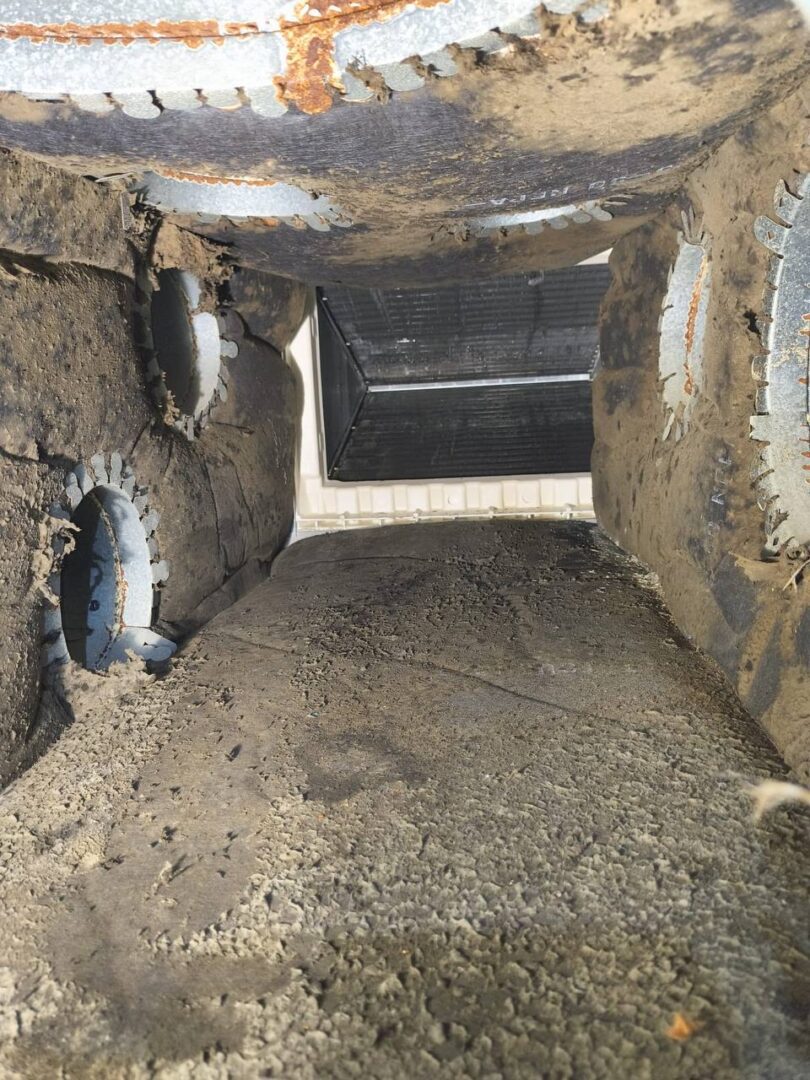
Houston homeowners know the drill: spring brings warm weather, blooming trees, and the start of pollen season. But what many don’t realize is that the combination of spring pollen, rising temperatures, and the onset of Gulf Coast humidity creates a perfect window for HVAC mold growth that can affect your indoor air quality all summer long. Here’s what Houston homeowners should know about spring HVAC mold risks and how to protect your system before summer arrives.
The Spring Mold Risk Window in Houston
Houston’s spring season creates a unique set of conditions that can accelerate mold growth inside HVAC systems. Understanding this timeline helps you know when to act:
- Late February – April (Pollen peak): Trees release massive amounts of pollen — primarily oak, pine, and cedar. This organic material is pulled into HVAC systems through return vents and settles in ductwork and on evaporator coils. Mixed with spring humidity that’s already climbing into the 60-70% range, this pollen becomes a food source for mold.
- May (The transition): As temperatures rise, air conditioners begin running more frequently. The temperature differential between the cold evaporator coil and warm, humid return air creates condensation. This moisture, combined with pollen that’s accumulated over the previous weeks, creates ideal conditions for mold growth.
- June – September (Peak mold season): By the time summer heat arrives, any mold that started growing in spring is now fully established. The coils and drain pans that stayed damp during spring’s milder temperatures become active growth zones, and spores are circulated through the duct system every time the AC runs.
Why Spring Is the Best Time to Address HVAC Mold
Spring offers a window of opportunity for Houston homeowners to address HVAC contamination before it becomes a summer problem:
- Lower cooling demand: In spring, your AC isn’t running constantly, making it easier to schedule cleaning without disrupting comfort.
- Mold hasn’t fully established: If spring pollen accumulation is caught early, cleaning can remove it before mold has a chance to take hold on coils and in ductwork.
- Better drying conditions: Spring’s moderate temperatures allow cleaned components to dry thoroughly before summer’s constant cooling cycles begin.
- Preventive vs. reactive: Cleaning in spring prevents the need for emergency service during peak summer when mold-related issues are most noticeable and most disruptive.
Signs Your Houston HVAC System Has Spring Mold Growth
These symptoms often appear in late spring or early summer as the system works harder and mold colonies become established:
- Musty smell from vents: The most common early sign. If turning on your AC for the first time in spring produces a musty or earthy smell, mold is likely present in the system.
- Reduced cooling output: A mold-contaminated evaporator coil can’t transfer heat efficiently. If your home feels less cool than expected even with the AC running, a dirty coil may be the cause.
- Higher humidity indoors: A contaminated coil and restricted airflow reduce the system’s dehumidification capacity. If your home feels sticky even with the AC running, it’s a sign the system isn’t dehumidifying properly.
- Allergy symptoms when AC runs: If you or family members experience sneezing, congestion, or eye irritation that seems to correlate with when the air conditioner is running, mold spores may be circulating through the ductwork.
- Visible growth around vents: Black or green spotting around vent registers or on the air handler access panel is a clear indicator of mold in the system.
What Spring HVAC Cleaning Involves
A thorough spring HVAC cleaning for Houston homes addresses the entire system, not just the ducts. Here’s what’s typically included:
- Evaporator coil cleaning: The coil is the most common site for spring mold growth. Professional cleaning removes dirt, pollen, and microbial buildup that accumulated during winter when the system wasn’t running and during spring’s pollen peak.
- Drain pan and line cleaning: The condensate drain pan collects moisture from the coil. In spring, this pan is a prime breeding ground for mold and bacteria. Cleaning and treating the drain line prevents clogs and backups.
- Air handler cleaning: The interior of the air handler cabinet is cleaned to remove dust, pollen, and any visible mold growth.
- Blower wheel cleaning: Pollen and debris accumulate on the blower wheel during spring’s shoulder season, reducing airflow and efficiency.
- Duct cleaning (if needed): If inspection reveals significant debris or visible mold in the ductwork, the ducts are cleaned using HEPA vacuum source removal.
- Filter replacement: A clean, high-quality filter is essential for maintaining air quality after cleaning.
Preventive Steps Houston Homeowners Can Take This Spring
Between professional cleanings, these maintenance steps can help reduce the spring mold risk:
- Change filters monthly during spring: During peak pollen season (February-April), switch to monthly filter changes. Use a MERV 8 or higher-rated filter that captures pollen without restricting airflow.
- Check the condensate drain: Before summer cooling season begins, ensure the condensate drain line is clear and flowing properly. A clogged drain is a leading cause of mold problems.
- Inspect visible ductwork: Check accessible ductwork in your attic or crawl space for signs of moisture, leaks, or disconnected sections that could draw in humid air.
- Monitor indoor humidity: Keep indoor humidity below 60% using your thermostat’s dehumidification setting or a standalone dehumidifier, especially during spring’s transition months.
- Schedule a pre-summer inspection: Have your HVAC system inspected in April or May before the summer cooling season begins to catch any mold issues early.
Why Professional Spring Cleaning Matters for Houston Homes
Houston’s unique climate — with its early pollen season, rising spring humidity, and long, hot summers — makes professional spring HVAC cleaning particularly valuable. Unlike generic cleaning schedules, a Houston-focused approach addresses the specific timing and conditions that affect local homes. A NADCA-certified professional understands that the combination of spring pollen accumulation and summer humidity creates a mold risk window that doesn’t exist in drier climates.
Schedule Your Houston Spring HVAC Inspection
If you’re a Houston homeowner and you haven’t had your HVAC system inspected this spring, now is the time. Before summer’s heat and humidity create ideal conditions for mold growth, a professional inspection can identify issues early and help you avoid bigger problems later. Contact us to schedule your spring HVAC inspection and ensure your system is clean, efficient, and ready for Houston summer.
Related AH-CHOO resources: Houston air duct cleaning.