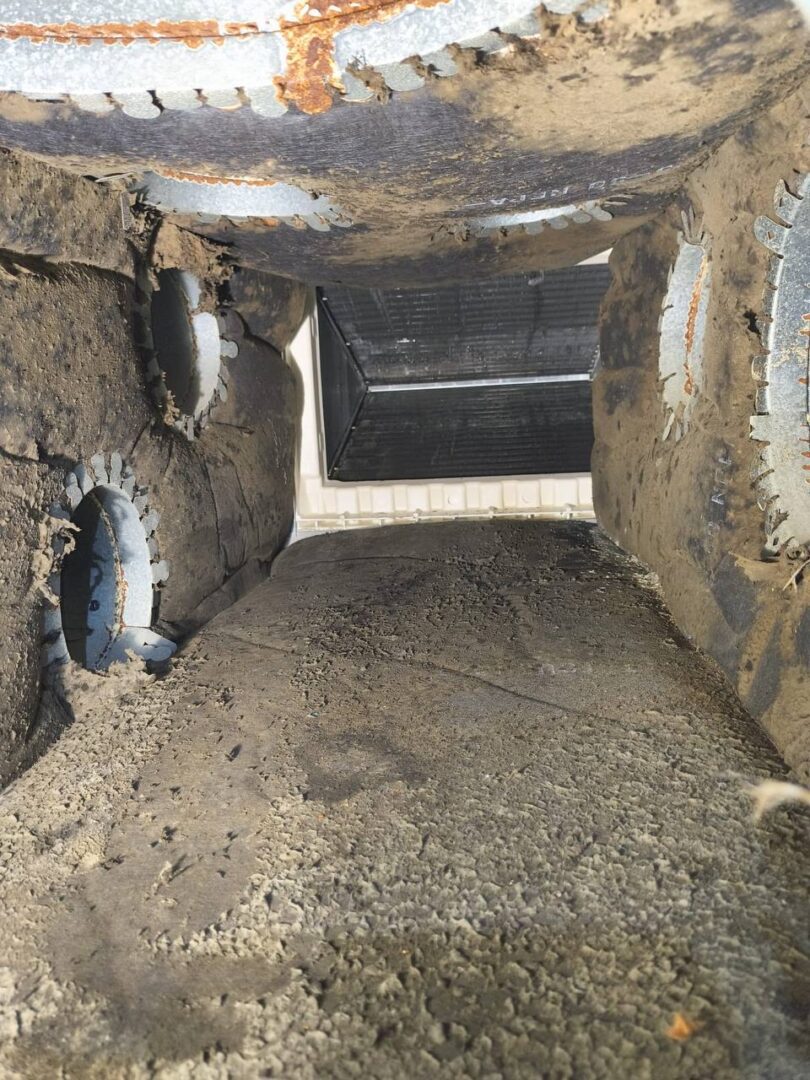
When spring arrives in Houston, most homeowners brace for the familiar allergy symptoms: sneezing, itchy eyes, and a persistent cough that seems to linger for weeks. What many don’t realize is that their air ducts are also feeling the effects of spring — and those effects can directly worsen indoor allergy symptoms inside the home.
Understanding what happens inside your ductwork during Houston’s long spring allergy season explains why so many homeowners struggle with indoor allergies even after closing the windows and running the AC.
Houston’s Extended Spring Allergy Season
Unlike northern cities where spring arrives and passes quickly, Houston’s allergy season stretches from mid-February well into June. Three distinct pollen waves overlap and compound each other:
- Mountain cedar (January–March): The tree pollen that starts the season, producing dense clouds of fine yellow powder that settles on everything outdoors — and finds its way indoors.
- Oak pollen (March–April): Houston’s most notorious allergen. Oak trees across the city release massive amounts of pollen that coat cars, porches, and outdoor surfaces in a fine yellow-green layer. This pollen is light enough to enter homes through any open window, door, or fresh-air intake.
- Grass pollen (April–June): As tree pollen winds down, grass pollen ramps up. Bermuda grass, Johnson grass, and rye grass all release pollen that remains airborne late into the season.
This overlapping pollen cycle means Houston homes are exposed to airborne allergens for 4–5 consecutive months — and ductwork acts as the collection point for whatever gets inside.
How Spring Pollen Gets Into Your Air Ducts
Pollen enters your home’s ductwork through three main pathways:
- Fresh air intakes: Many Houston homes have HVAC systems that draw outside air for ventilation. During peak pollen days, these intakes pull concentrated pollen directly into the return ductwork before it even reaches the air filter.
- Opened doors and windows: Even brief ventilation — opening a door to bring in groceries or letting the dog out — allows pollen-laden air to enter. Over a 4-month allergy season, this adds up to significant particulate accumulation.
- On clothing and pets: Residents carry pollen inside on shoes, clothes, hair, and pets. Once inside, indoor air circulation deposits this pollen into carpet, upholstery, and HVAC return registers.
Once inside the return ducts, pollen particles recirculate through the system repeatedly until they either settle in the ductwork or become trapped in the air filter. But no filter catches everything — and once the filter bypasses or fills up, pollen begins accumulating inside the ducts themselves.
What Actually Happens Inside Ductwork During Allergy Season
Throughout spring, ductwork accumulates more than just visible dust. Here’s what’s going on inside the system:
- Pollen layering: Fine pollen grains settle on the bottom of horizontal duct runs. As the system cycles on and off, airflow disturbance re-suspends these particles into the airstream, meaning the same pollen gets pushed through the house repeatedly.
- Pollen + humidity = sticky buildup: Houston’s spring humidity (averaging 65–75%) mixes with settled pollen to create a damp, sticky residue inside ducts. This residue traps additional debris and creates an environment where other particles — dust mites, pet dander, mold spores — adhere to duct surfaces.
- Reduced airflow: As pollen and debris buildup narrows the interior diameter of ducts, static pressure increases. The system works harder to push the same volume of air, increasing energy consumption and reducing overall efficiency.
- Biofilm formation: In ducts with persistent moisture, pollen can contribute to biofilm — a thin microbial layer that provides a food source for bacteria and mold spores. This is especially common in attic flex-duct runs common in Houston homes.
Signs Your Air Ducts Are Carrying Spring Pollen
How do you know if your ductwork is acting as a pollen reservoir? Watch for these signs during allergy season:
- Increased dust on surfaces: Finding a fine yellow or gray dust settling on furniture within hours of dusting suggests your vents are distributing pollen indoors.
- Visible debris around supply registers: Check the vents in each room. Dark or discolored accumulation around the register grilles indicates particulate buildup in the duct run leading to that room.
- Musty or earthy odors when the AC runs: The combination of pollen and humidity inside ducts creates a distinctive musty smell that’s most noticeable when the system first kicks on.
- Allergy symptoms worse indoors than outdoors: If you or family members feel worse inside the house during spring than outside, your ductwork may be recycling allergens through the home.
- Uneven cooling or airflow: Rooms with heavier pollen accumulation in their duct runs may feel stuffier or warmer because airflow is restricted.
Why Houston’s Humidity Compounds the Problem
Houston’s spring humidity is the factor that makes our city different from drier climates. In arid regions, pollen that enters ductwork stays dry and can eventually be captured by filters or blown out. In Houston, the moisture in the air transforms dry pollen into a sticky substance that adheres to duct interiors.
This matters because:
- Sticky pollen traps more debris, accelerating buildup
- Moisture creates conditions for mold and bacterial growth on top of accumulated organic matter
- Standard 1-inch fiberglass filters quickly saturate and bypass in humid conditions, allowing more particulates into the duct system
- The combination makes spring the highest-risk period for duct contamination in Houston homes
A February 2026 study published in Indoor Air found that homes in humid subtropical climates (like Houston’s) accumulate 40% more particulate-bound allergens in ductwork during spring compared to arid-climate homes, confirming what many Gulf Coast homeowners experience firsthand.
What Homeowners Can Do
Before Allergy Season
- Replace filters monthly during January through June with MERV 8 or higher rated filters designed for particulate capture
- Seal fresh-air intakes during peak pollen days (check Houston’s daily pollen count at the Houston Health Department website)
- Schedule a pre-season inspection of your ductwork in late winter to check for existing debris, leaks, or moisture issues before pollen season intensifies
During Allergy Season
- Run the HVAC fan continuously on recirculate mode (not fresh air) during high-pollen days
- Use doormats and remove shoes at the entrance to reduce tracked-in pollen
- Consider a whole-home air purifier installed at the air handler for continuous filtration beyond what a standard filter provides
After Allergy Season
- Schedule professional duct cleaning after peak allergy season ends (typically late June) to remove accumulated pollen, debris, and any mold growth that occurred during humid spring months
- Have your evaporator coil inspected — seasonal contaminant buildup on the coil is a common contributor to musty smells and reduced cooling efficiency
Frequently Asked Questions About Houston Air Ducts and Spring Allergies
Q: Can dirty air ducts make spring allergies worse?
A: Yes. Pollen, dust mites, pet dander, and mold spores accumulate inside ductwork during spring. When the HVAC system runs, these allergens are recirculated through the home, potentially worsening indoor allergy symptoms even when windows are closed.
Q: How often should I change my air filter during Houston allergy season?
A: Monthly is the minimum recommendation during spring (February–June). Homes with pets or heavy pollen exposure may benefit from every-3-week changes. Use MERV 8 or higher filters — standard fiberglass filters don’t capture small pollen particles.
Q: Should I have my air ducts cleaned before or after allergy season?
A: A pre-season inspection in late winter can identify existing buildup, but the most impactful cleaning occurs after allergy season ends (late June or early July) to remove the season’s accumulated pollen and prevent it from continuing to circulate through summer.
Q: Does running the AC help reduce indoor pollen?
A: Running the AC on recirculate mode filters indoor air and reduces the introduction of new outdoor pollen. However, if the ductwork already contains accumulated pollen from previous seasons or earlier in the current season, the AC simply recirculates allergens through the existing duct system.
Q: What’s the difference between a standard air filter and a whole-home air purifier?
A: Standard HVAC filters capture airborne particles as air passes through the return. Whole-home air purifiers (installed at the air handler) provide additional filtration stages — often HEPA or UV-C — that capture finer particles and neutralize microbial growth that standard filters cannot address.
Living with spring allergies in Houston? Contact AH-CHOO Indoor Air to schedule a professional duct inspection before peak allergy season. We serve the Greater Houston area including The Woodlands, Sugar Land, Katy, Cypress, Pearland, and all Houston neighborhoods. Our team inspects your ductwork, documents findings, and provides honest recommendations — no pressure, no upselling.
Learn more about Houston air duct cleaning services or read about mold in air ducts in Spring, TX. For homeowners preparing for warmer months, our contact page can connect you with a duct inspection appointment.
Living with spring allergies in Houston? Contact AH-CHOO Indoor Air to schedule a professional duct inspection. We serve the Greater Houston area including The Woodlands, Sugar Land, Katy, Cypress, Pearland, and all Houston neighborhoods.