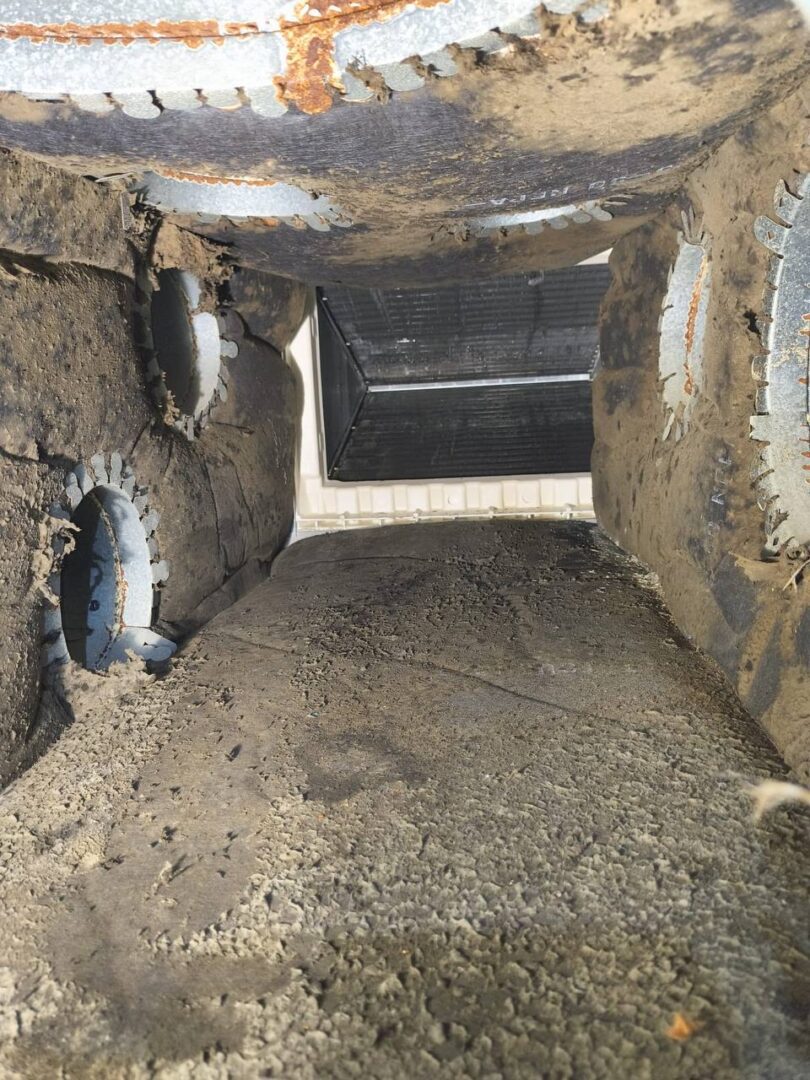
If you have never had professional air duct cleaning done, the process might seem like a mystery. What equipment do technicians use? How do they reach sections of ductwork hidden inside your walls and ceiling? And what should you actually expect to see happening inside your home over the course of a typical service day?
Here is a complete walkthrough of our NADCA-certified air duct cleaning process from the moment the technician arrives at your door through the final quality check before we pack up and leave.
Step One: Initial System Assessment
The technician arrives and begins with a comprehensive visual assessment of your entire HVAC system. This includes examining accessible sections of your ductwork, checking your current air filter’s condition, inspecting the evaporator coil through its access panel, and evaluating the blower fan, heating chamber, and plenum box for accumulated debris.
In most Houston homes, this initial assessment reveals significant contamination that the homeowner was not aware of. Pet dander that has built up over years. Pollen from multiple seasonal cedar and oak cycles. Construction dust from nearby development. And biological growth on the evaporator coil surface.
Step Two: System Preparation and Containment Setup
Before any cleaning equipment is deployed, your living spaces are protected to ensure the cleaning process does not disrupt your daily routine. Protective sheeting is placed on floors and furniture near the primary work area. Access panels on the plenum box and air handler are carefully removed and set aside for cleaning.
The HVAC thermostat is set to the OFF position and the system is confirmed inactive. A professional-grade negative air machine is then connected to the duct system, typically at the main trunk line near the air handler. This machine creates continuous vacuum pressure throughout all connected ductwork, ensuring that any dislodged debris is captured and removed rather than escaping into your living spaces.
Step Three: Supply and Return Duct Agitation and Extraction
Using specialized agitation tools that reach deep into each duct branch, the technician systematically dislodges accumulated debris from the interior surfaces of every accessible section of your supply and return ductwork. The negative air machine simultaneously captures all dislodged debris and routes it through HEPA filtration to the exterior of your home.
Return ducts are cleaned first because they typically contain the heaviest debris load, drawing in contaminants from every room in your home. Each return branch is treated individually to ensure complete interior surface coverage. Supply ducts follow with the same careful, branch-by-branch approach.
Step Four: HVAC Component Cleaning
The components nearest your air handler receive the most intensive attention because they are closest to the source of contamination and contribute the most to your indoor air quality. The evaporator coil is cleaned using specialized methods that remove accumulated dirt and biological matter from the coil surface without damaging the delicate fin structure. The blower fan is cleaned to restore proper balance and airflow efficiency. The heating chamber is cleared of accumulated dust and soot. The plenum box — the central distribution point where all duct branches meet the air handler — is cleaned to eliminate the highest concentration point for contaminants in your entire system.
Step Five: Register and Grill Cleaning
All supply registers, return grills, and vent covers are removed, washed with warm water and mild detergent, dried completely, and reinstalled. Clean registers improve both the appearance of your vents and the airflow performance of your HVAC system.
Step Six: Final Quality Check and System Restart
The technician conducts a thorough final walkthrough verifying that every component has been cleaned to NADCA standards, all access panels are properly sealed, all registers and grills are correctly reinstalled, and the system is operating normally. The HVAC system is turned back on and the technician confirms proper airflow, normal thermostat function, and the absence of unusual sounds or vibration.
What Homeowners Notice After Cleaning
Most Houston homeowners notice fresher air with reduced musty odors within hours of the service completion. The rate at which dust and dirt accumulate on furniture and countertops decreases noticeably — most significantly within the first week after cleaning. Rooms that previously felt stuffy or had weak airflow feel more comfortable with improved airflow from clean ductwork. And a clean blower fan that is properly balanced operates more quietly than one weighed down by accumulated debris on its blades.
The entire process takes approximately 7 hours for a typical single-family residential property.
[Book a Free Inspection](https://crm.ahchooindoorair.com/book)
AH-CHOO! Indoor Air Quality serves Houston, Austin, San Antonio, and South Louisiana. NADCA certified. Average job time: 7 hours. 8 components cleaned every service. 38 years of experience.
Related AH-CHOO resources: Houston air duct cleaning; schedule a free inspection.