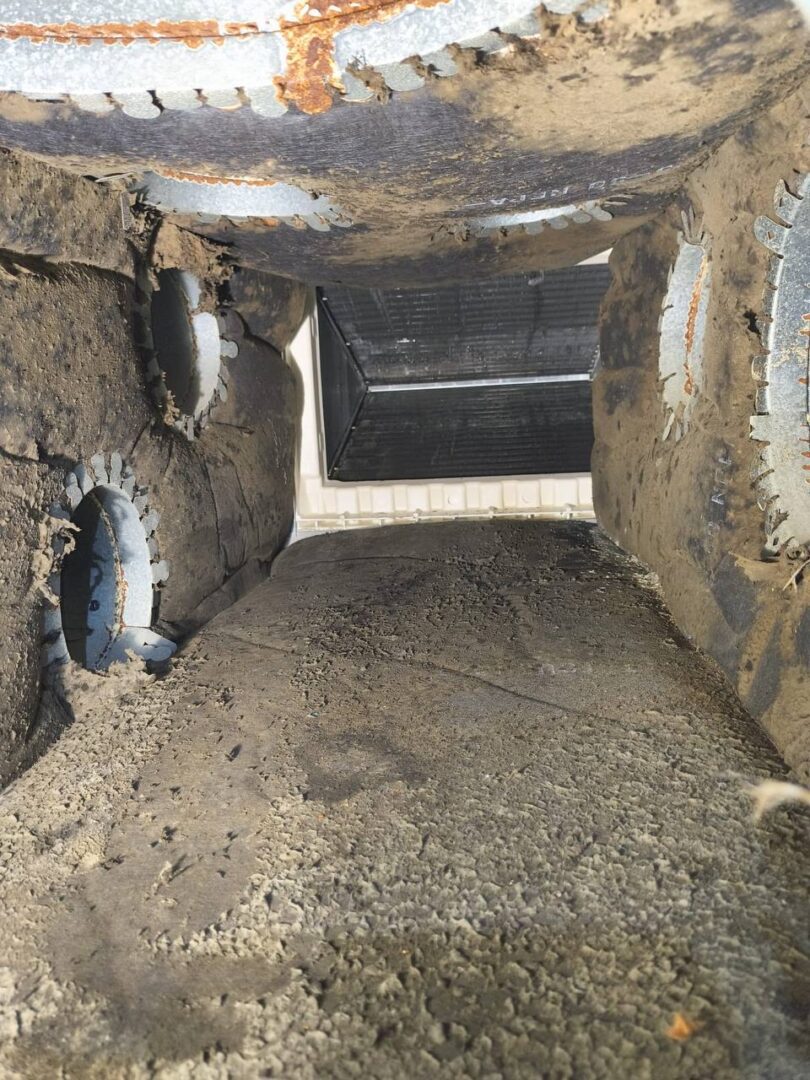
If you are buying or selling a home in Houston, the HVAC inspector will be one of the most critical professionals to walk through your property. Unlike a general home inspector who assesses the overall structure, the HVAC inspector focuses specifically on your heating and air conditioning system. Their findings can mean the difference between a smooth closing and a costly negotiation nightmare.
Understanding what an HVAC inspector evaluates will help homeowners prepare their systems in advance and give buyers confidence that they know what they are getting into.
The Evaporator Coil
The evaporator coil is the first stop for any HVAC inspector because it is located at the heart of your cooling system. This component is responsible for transferring heat from indoor air into the refrigerant, and it is one of the most expensive parts of your system to replace.
Inspectors look for accumulated dirt and debris on the coil fins, which reduces heat transfer efficiency and causes the system to work harder than it should. In Houston’s humid climate, coil contamination is a near-universal finding in homes that have not had regular professional duct cleaning.
They also check for signs of mold or biological growth on and around the coil surface. Condensation from normal operation, combined with Houston humidity and organic debris in the ductwork, creates an ideal environment for mold colonization. Visible mold on the evaporator coil is a significant finding that inspectors will flag in their report.
Refrigerant line connections are inspected for leaks or improper insulation. A leaking refrigerant line indicates a system that is losing cooling capacity and will eventually require professional repair or full refrigerant recharge.
The condensate drain line and drain pan are checked for clogs, overflow damage, and the presence of a properly functioning safety switch. A clogged condensate drain can cause water damage to your ceiling, walls, and flooring, especially in the Houston heat when the system is running continuously.
The Blower Motor and Fan Assembly
The blower motor is the component that moves air through your entire HVAC system. Inspectors verify that the blower motor operates properly, that the fan blades are balanced, and that there are no unusual noises or vibrations during operation.
Accumulated debris on the blower fan blades creates imbalance that increases wear on the motor bearings. Over time, this imbalance can lead to motor failure, which requires a costly replacement that inspectors will note in their findings. Home inspectors frequently find blower motors that are covered in thick layers of dust and pet dander, especially in homes where the original owner installed inexpensive fiberglass filters.
The belt-driven blower systems are checked for belt condition and tension. Worn or cracked belts can snap without warning and leave the system unable to circulate air.
The Ductwork
Inspectors examine accessible sections of your ductwork, looking for disconnected sections, crushed or collapsed ducts, and excessive debris accumulation inside the duct interior. They also evaluate the insulation on ductwork that runs through unconditioned spaces like attics and crawlspaces.
In Houston, ductwork in the attic is exposed to extreme temperature fluctuations that can cause insulation to deteriorate over time. Poorly insulated attic ducts contribute significantly to energy loss and make it much harder for the system to maintain comfortable indoor temperatures during the summer months.
Flexible ductwork is inspected for tears, improper routing, and crushing that restricts airflow. Rigid ductwork is checked for proper joint sealing and the presence of mastic tape at all connections. Ducts that are sealed with standard duct tape rather than mastic or foil tape are a red flag, because duct tape degrades over time and creates air leaks.
Air Flow and Filter Condition
Airflow evaluation is a critical part of any HVAC inspection. Inspectors measure the temperature differential between supply and return vents to verify that the system is providing adequate cooling or heating output for the size of the home.
A temperature differential that is too narrow indicates reduced system efficiency, often caused by dirty coils, clogged filters, or restricted ductwork. A temperature differential that is too wide can indicate a refrigerant leak or a failing compressor.
The condition of the air filter is noted in the inspection report. While filter replacement is considered routine maintenance, an extremely dirty or clogged filter can indicate that the system has been neglected and that more significant issues may exist within the coil and duct components.
Inspectors note whether the filter size and type are appropriate for the system, and they evaluate whether the filter is installed correctly. A filter that is installed backwards or is the wrong size will not protect the system from particulate contamination.
The Thermostat
The thermostat is evaluated for proper operation, calibration, and placement. Inspectors verify that the thermostat effectively controls the system and that there is no significant discrepancy between the set temperature and the actual delivered temperature.
Thermostats that are located in poor positions, such as near supply vents, exterior walls, or areas with direct sunlight, can cause the system to cycle improperly and create comfort issues for the home’s occupants.
Smart thermostats are becoming increasingly common in Houston homes. While these devices provide homeowners with more control and energy monitoring capabilities, inspectors still evaluate the fundamental operation of the heating and cooling system regardless of the control method.
Heating Components
For gas furnace systems, the inspector evaluates the burner, heat exchanger, and exhaust venting. The heat exchanger is checked for cracks or damage that could allow combustion gases to leak into the living space of the home. This is a critical safety finding that would require immediate repair before the system can be safely operated.
For electric resistance heating systems, the inspector checks the heating elements and electrical connections for signs of wear, overheating, or improper installation.
Heat pump systems are evaluated for proper switching between heating and cooling modes, and the outdoor condenser unit is inspected for the same issues that affect the condenser during the cooling season.
What Happens If the Inspector Finds Issues
HVAC inspection findings can have significant implications for a real estate transaction. If the inspector documents mold contamination in the duct system, damaged ductwork, or a failing component, the buyer can request a repair credit, ask the seller to complete the repair before closing, or negotiate a reduction in the purchase price to cover the cost of system repairs or replacement.
For sellers, the most damaging inspection findings are those that indicate systemic neglect of the HVAC system. Evidence of dirty coils, clogged ductwork, a clogged condensate drain, or a failing blower motor suggests that the homeowner has not maintained the system properly over the years. This raises broader concerns about the overall condition of the home and can erode buyer confidence.
How Pre-Sale HVAC Maintenance Protects the Seller
Scheduling a professional HVAC cleaning before listing your home is one of the simplest and most cost-effective steps a seller can take to protect their interests during the inspection process. Our NADCA-certified cleaning addresses all components that an inspector will evaluate: return ducts, evaporator coil, blower fan, heating chamber, plenum box, supply ducts, register boxes, and grills.
When the inspector opens your evaporator coil access panel and finds a clean system, it sends a powerful message that the home has been properly maintained. It also eliminates the possibility that the inspector will discover the kind of contamination that triggers costly repair requests or negotiation leverage for the buyer.
The average cleaning takes approximately 7 hours for a complete system. We work one home per day to ensure every component receives the thorough attention it deserves. This level of care gives sellers the confidence that their system will pass inspection and give buyers peace of mind.
For Home Buyers
If you are buying a home and the HVAC inspector finds issues with the duct system, requesting professional cleaning as part of your repair negotiation is a reasonable request. It protects your investment and ensures that you are moving into a home with a clean, well-functioning HVAC system.
A free inspection from our team can help you understand exactly what the inspector found and what professional cleaning will address. We will document the condition of your system and give you a clear picture of what needs to happen.
Book Your Free Inspection
Whether you are preparing to sell your home or you just bought one and want to start with a clean system, schedule a free inspection today. Our NADCA-certified technicians will assess the condition of all 8 HVAC components and give you an honest, no-pressure recommendation.
[Book a Free Inspection](https://crm.ahchooindoorair.com/book)
AH-CHOO! Indoor Air Quality serves Houston, Austin, San Antonio, and South Louisiana. NADCA certified. Average job time: 7 hours. 8 components cleaned every service. 38 years of experience.
Related AH-CHOO resources: Houston air duct cleaning; schedule a free inspection.