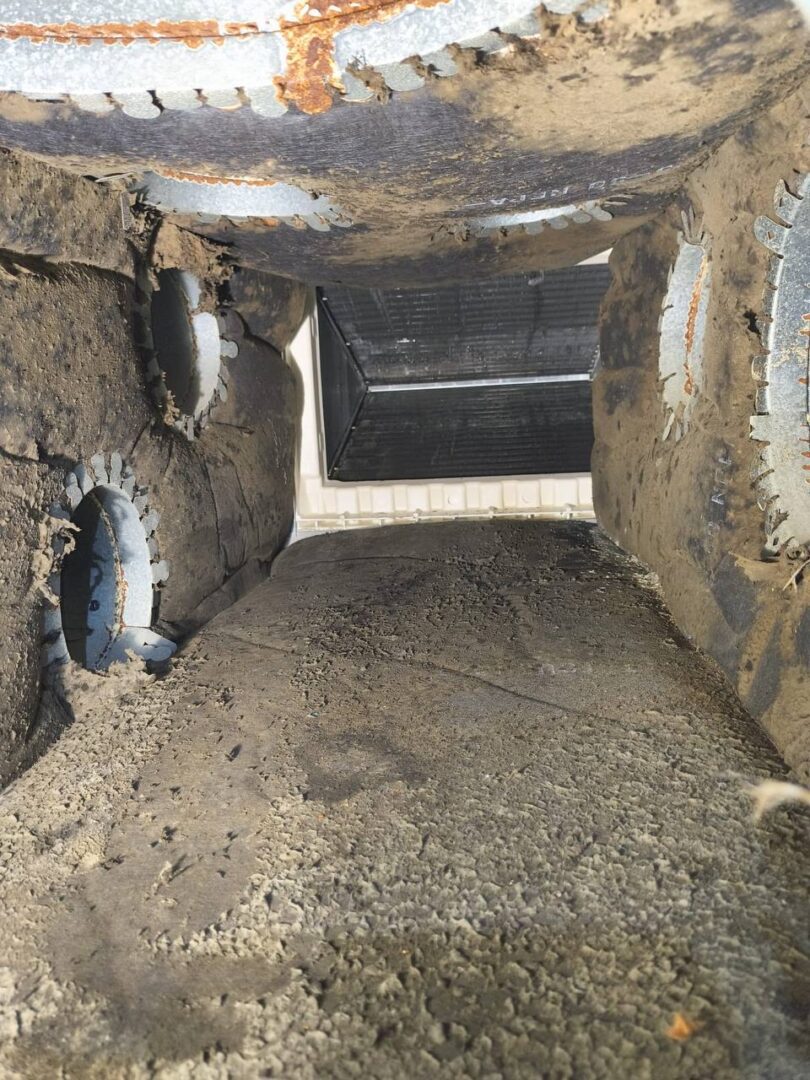
Houston homeowners often discover mold in their HVAC systems and wonder how it got there. The answer isn’t mysterious — it’s a direct result of Houston’s climate and how residential air conditioning works. Understanding the mechanism helps you prevent it.
The Basic Conditions Mold Needs to Grow
Mold requires three conditions simultaneously: moisture, warmth, and organic food source. Your HVAC system provides all three year-round in Houston’s climate. The question isn’t whether mold *can* grow — it’s whether it’s growing at levels that affect your indoor air quality.
How Moisture Gets Inside Your Ductwork
Return air humidity: When humid air enters the return duct system, it cools as it passes over the evaporator coil. Cooler air holds less moisture, so water condenses on the coil surface and the interior surfaces of the ductwork near the cooling chamber. This condensation is normal — but in Houston’s climate, the moisture loading is significantly higher than in dryer climates, and the drying time between cycles is longer.
Air handler condensation: The evaporator coil and drain pan handle thousands of gallons of condensed water per cooling season. If the drain becomes partially clogged, water backs up and pools in the drain pan or the plenum box. Standing water in these areas creates immediate biological growth conditions.
Ductwork leaks and bypass: Small leaks in return ductwork — particularly at joints, connections, and the supply plenum — allow humid air from attics, crawlspaces, and wall cavities to bypass the filter and enter the duct system directly. This unfiltered moisture-laden air introduces both humidity and biological spores directly into the duct interior.
Cooling cycle timing: In Houston’s extended cooling season, the AC runs nearly continuously during summer months. The ductwork never fully dries between cycles because the next cooling cycle begins before evaporation completes. This is different from climates with cooler nights where the system has extended off-cycles.
The Food Source: What’s Already Inside Your Ducts
Even clean ductwork contains organic material that mold can use as food. Dust particles, dead skin cells, pet dander, and airborne debris that enters through the return system all provide nutrition for biological growth.
When the evaporator coil runs continuously during Houston summer, it processes enormous volumes of air. The combination of warm, humid conditions inside the ductwork between cycles and the organic material already present creates a growth medium that mold colonizes rapidly once moisture is introduced.
Why Houston’s Climate Creates Year-Round Risk
In climates with defined dry seasons, winter provides a natural break in the mold growth cycle. In Houston, winter cooling is minimal but humidity remains high — and homes are sealed against cold weather, which traps interior humidity inside.
The result is a year-round growth environment with peaks in spring (warming + pollen organic matter), summer (maximum moisture processing), and fall (hurricane humidity + standing water risk). Houston homeowners have no season where HVAC ductwork is genuinely low-risk for biological contamination.
What Professional Cleaning Does About It
NADCA-certified source removal cleaning removes the biological contamination that’s already accumulated — including mold spores, dust, and organic matter that feed future growth. The cleaning process addresses all 8 HVAC components, including the supply and return ductwork where moisture accumulates between cycles.
After professional cleaning, the duct system starts from a clean baseline. Moisture will continue to enter the system — that’s unavoidable in Houston’s climate — but without the accumulated biological reservoir, the air quality impact of normal moisture cycles is significantly reduced.
AH-CHOO! Indoor Air Quality serves Houston, Austin, San Antonio, and South Louisiana. NADCA certified. Average job time: 7 hours. 8 components cleaned every service. 38 years of experience.
[Schedule Your Houston Duct Cleaning Inspection](https://crm.ahchooindoorair.com/book)
Related AH-CHOO resources: Houston air duct cleaning; schedule a free inspection.