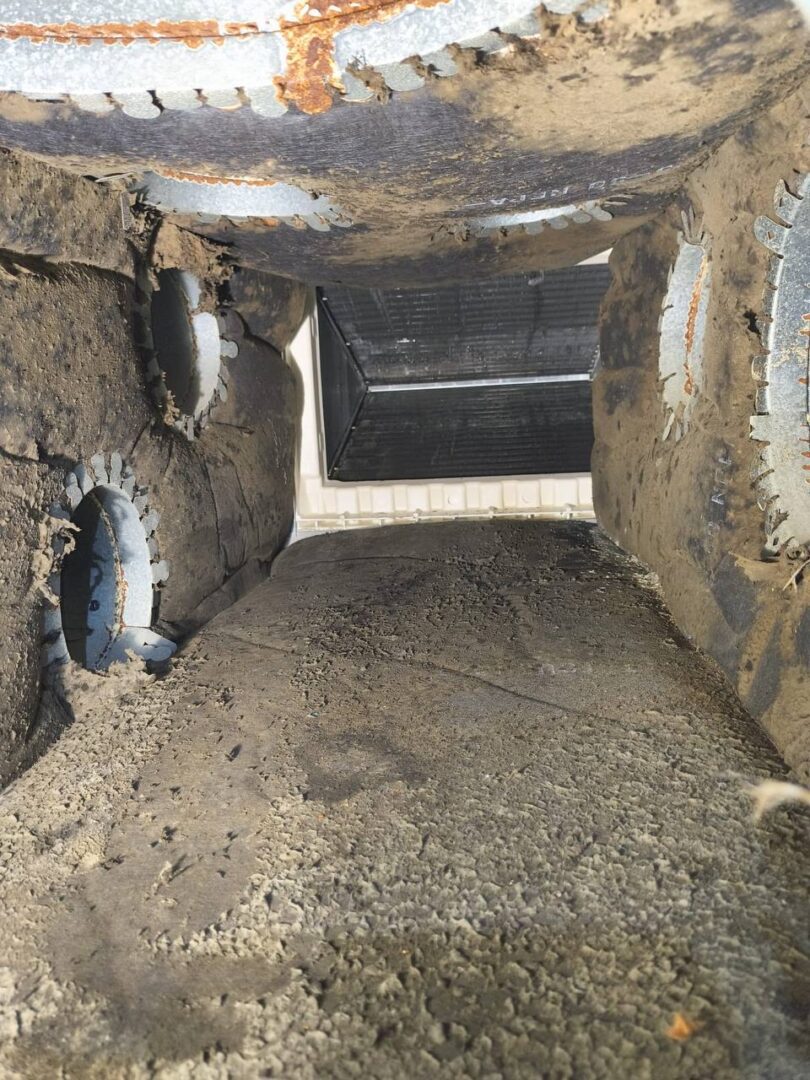
South Louisiana presents one of the most challenging indoor air quality environments in the United States for residential HVAC systems. With average summer humidity routinely exceeding 85%, regular tropical storm and hurricane flooding risk, and a climate that never truly cools for an extended winter rest period, South Louisiana homes face HVAC conditions that require more aggressive maintenance than most standard recommendations account for.
Why South Louisiana’s Climate Is Different
Louisiana’s humidity isn’t like Houston’s humidity, though the two markets share many climate characteristics. The Gulf Coast influence creates a specific combination of factors:
Persistent high humidity year-round: Louisiana doesn’t have a genuinely dry season. Even winter months see average relative humidity above 60% during daylight hours. This means HVAC systems in Baton Rouge, Lafayette, Slidell, Lake Charles, and surrounding areas process humidity nearly every day of the year.
Frequent tropical weather events: Gulf Coast hurricane and tropical storm activity affects South Louisiana every season. Flooding from tropical systems creates water intrusion events that can severely damage HVAC systems and require immediate professional attention.
Salt air influence in coastal communities: Properties near the Gulf Coast, in communities like Grand Isle, Cocodrie, or coastal parts of Terrebonne and Lafourche parishes, face accelerated corrosion on outdoor condensing units from salt air exposure. This corrosion affects system efficiency and longevity.
Mold and Biological Contamination in Louisiana HVAC Systems
The combination of persistent humidity and warmth creates ideal conditions for biological growth in South Louisiana HVAC systems year-round. Unlike areas with defined dry seasons that provide natural breaks in the mold growth cycle, Louisiana’s HVAC systems face continuous moisture loading with no significant dormant period.
The biological contamination that accumulates in Louisiana ductwork tends to be more aggressive than in dryer climates:
- Mold colonization occurs faster due to consistently high humidity
- Dust and organic material that enters the system provides food for biological growth
- The warm temperatures accelerate biological activity
- The sealed duct environment traps moisture and prevents drying between cycles
For South Louisiana homeowners who’ve never had professional duct cleaning, the biological contamination levels inside their ductwork are often significantly higher than comparable homes in dryer climates.
The Hurricane Season HVAC Risk for Louisiana Properties
Hurricane season creates acute HVAC risks for South Louisiana properties that require specific preparation and response protocols:
Pre-hurricane preparation: Before a storm arrives, ensure your outdoor condensing unit is properly secured. Consider scheduling professional inspection before hurricane season begins each year to document baseline system condition and identify any pre-existing contamination that would make post-flood remediation more complex.
Post-flood response: If your home experiences flooding, do not turn on the AC system until it has been professionally inspected. Floodwater introduces contaminants into the ductwork and air handler that can spread through the home when the system operates. Professional assessment determines whether cleaning or replacement of components is required.
Mold growth window: After flooding or water intrusion, mold can begin colonizing inside HVAC ductwork within 24-48 hours. The faster professional assessment and remediation can be scheduled after a flood event, the better the outcome for the system and the home’s indoor air quality.
South Louisiana HVAC Maintenance: What Local Homeowners Need
For homeowners in Baton Rouge, Lafayette, Slidell, Lake Charles, and the surrounding parishes, the standard maintenance recommendations require Louisiana-specific adjustment:
More frequent duct cleaning: The 3-5 year NADCA recommendation for typical homes should be shortened to 2-3 years for South Louisiana homes due to accelerated biological contamination.
Pre-summer cleaning: Schedule professional duct cleaning in April or May, before the peak cooling season when the system processes maximum humidity. This removes accumulated winter contamination and starts the summer season from a clean baseline.
Post-storm inspection: Any significant weather event involving flooding or prolonged power outages should trigger a professional HVAC inspection before the system resumes normal operation.
Outdoor unit protection: Coastal homeowners should consider condenser covers during tropical storm season and regular rinsing of outdoor units to remove salt air deposits.
AH-CHOO! Indoor Air Quality serves South Louisiana including Baton Rouge, Lafayette, Slidell, Lake Charles, and all Gulf Coast communities. NADCA certified. Average job time: 7 hours. 8 components cleaned every service. 38 years of experience.
[Schedule Your South Louisiana HVAC Inspection](https://crm.ahchooindoorair.com/book)
Related AH-CHOO resources: South Louisiana air duct cleaning; schedule a free inspection.